AI-Powered iOS Development: Streamlining App Creation
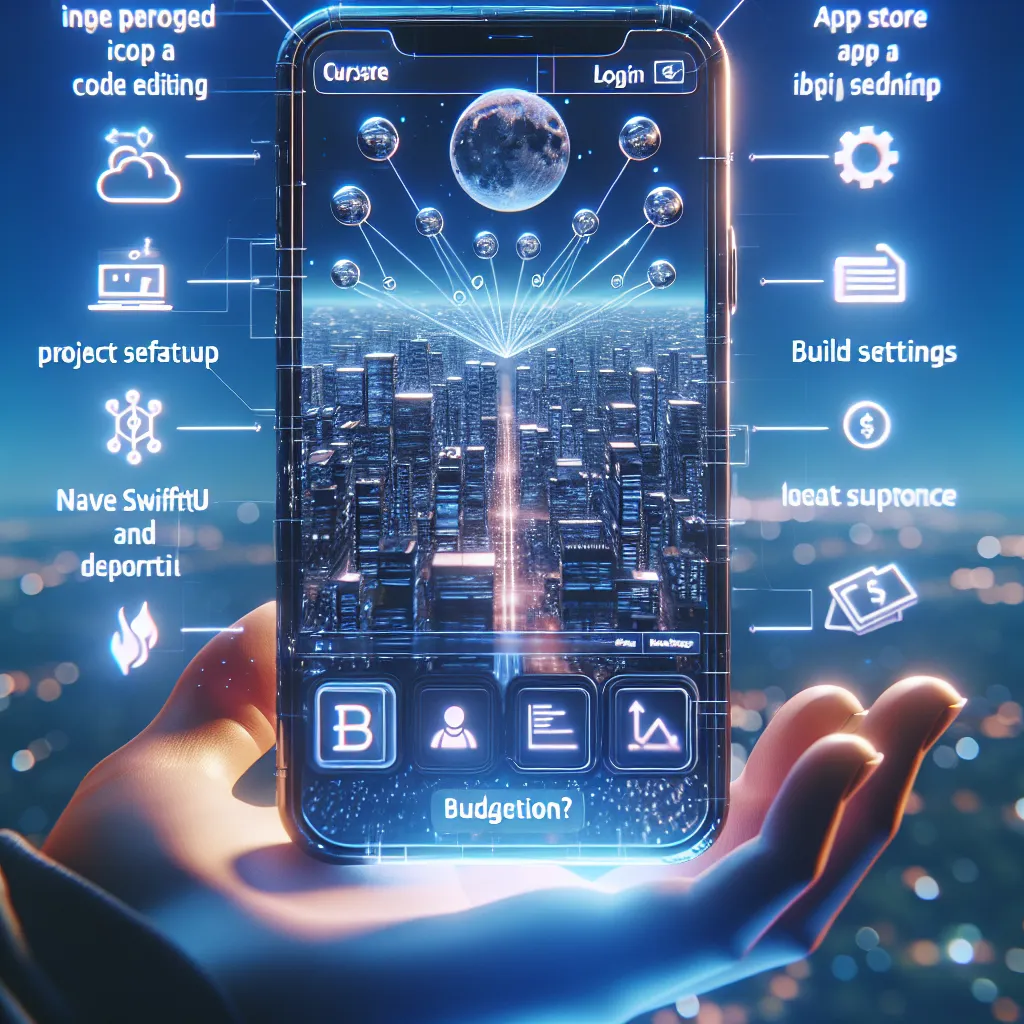
Today, developers using AI tools like Cursor still struggle with native iOS development because it requires switching back and forth between Cursor and Xcode, dealing manually with complex Apple-specific project setups. This creates friction for solo developers and indie makers, slowing down their ability to ship apps efficiently. A better solution would be a fully AI-native development environment designed specifically for iOS, where AI handles not just code editing, but also Xcode project setup, build settings, signing, and App Store deployment — streamlining the entire native app lifecycle inside a single AI interface. A "iOS is a huge opportunity. There are people who are going to print millions of dollars doing it", highlighting the large market for simpler native development. An example would be a new Cursor-like product that lets you prompt "Create a budgeting app with login, budget tracker, and reports," and have it set up an Xcode project correctly with native SwiftUI screens — no switching tools required.
Description
No additional description provided.
The Pitch
In the rapidly evolving world of software development, many developers have embraced AI tools to enhance their productivity and creativity. However, when it comes to native iOS development, there remains a significant pain point. Developers often find themselves mired in the complexities of switching between AI tools like Cursor and Xcode, grappling with intricate Apple-specific project setups, and managing other technical challenges. This cumbersome process can be particularly daunting for solo developers and indie makers, as it hinders their ability to efficiently ship apps.
The core problem lies in the fact that existing AI tools do not sufficiently integrate or streamline the iOS app development process. This disconnect leads to wasted time and increased frustration as developers must manually handle essential tasks like Xcode project setup, managing build settings, signing applications, and deploying them to the App Store.
The solution is clear: a fully AI-native development environment tailored specifically for iOS. This environment would revolutionize the development process by integrating AI not just for code editing but for project setup, build management, and even deployment. Imagine a seamless platform where developers could simply input a command such as Create a budgeting app with login, budget tracker, and reports, and have the AI handle the rest. The tool would automatically generate a correctly configured Xcode project, complete with native SwiftUI screens, eliminating the need to switch between tools.
The market potential for such a product is immense. The iOS ecosystem represents a lucrative opportunity, with many developers poised to generate substantial revenue if given simpler, more efficient development tools. The proposed solution would not only cater to existing iOS developers but also lower the entry barrier for aspiring developers, expanding the market even further.
In terms of product details, the envisioned tool would offer:
1. AI-driven project setup: Automate the creation and configuration of Xcode projects. 2. Code generation: Leverage AI to write SwiftUI code based on simple text prompts. 3. Build and deployment management: Simplify the complexities of build settings, signing, and App Store deployment through AI. 4. Unified interface: Provide a cohesive environment where all development tasks are managed without needing to switch applications.
To build this as a minimum viable product (MVP), developers could utilize various tools and frameworks. Leveraging existing AI models for natural language processing and code generation would be a foundational step. Additionally, integrating with Apple's development APIs and tooling would be crucial for providing seamless automation.
The go-to-market (GTM) strategy would focus on targeting indie developers, solo app makers, and small development teams initially. Building a community through targeted marketing campaigns, offering early access to beta versions, and gathering feedback for iterative improvements would be vital. Leveraging channels like developer forums, social media, and partnerships with educational platforms could help in reaching a broader audience.
The business model could be centered around a subscription-based service, providing different tiers based on features and usage. Offering a free tier with basic functionality could help attract a wide user base, while premium tiers could unlock advanced capabilities and personalized support.
In conclusion, an AI-native iOS development environment has the potential to significantly enhance the productivity of developers, reduce barriers to entry, and tap into the lucrative iOS app market. By addressing key pain points and streamlining the development process, this product would empower developers to focus on innovation and creativity, ultimately driving success in the app marketplace.