AI-Powered Invisible Shopping: Predictive Purchases Simplified
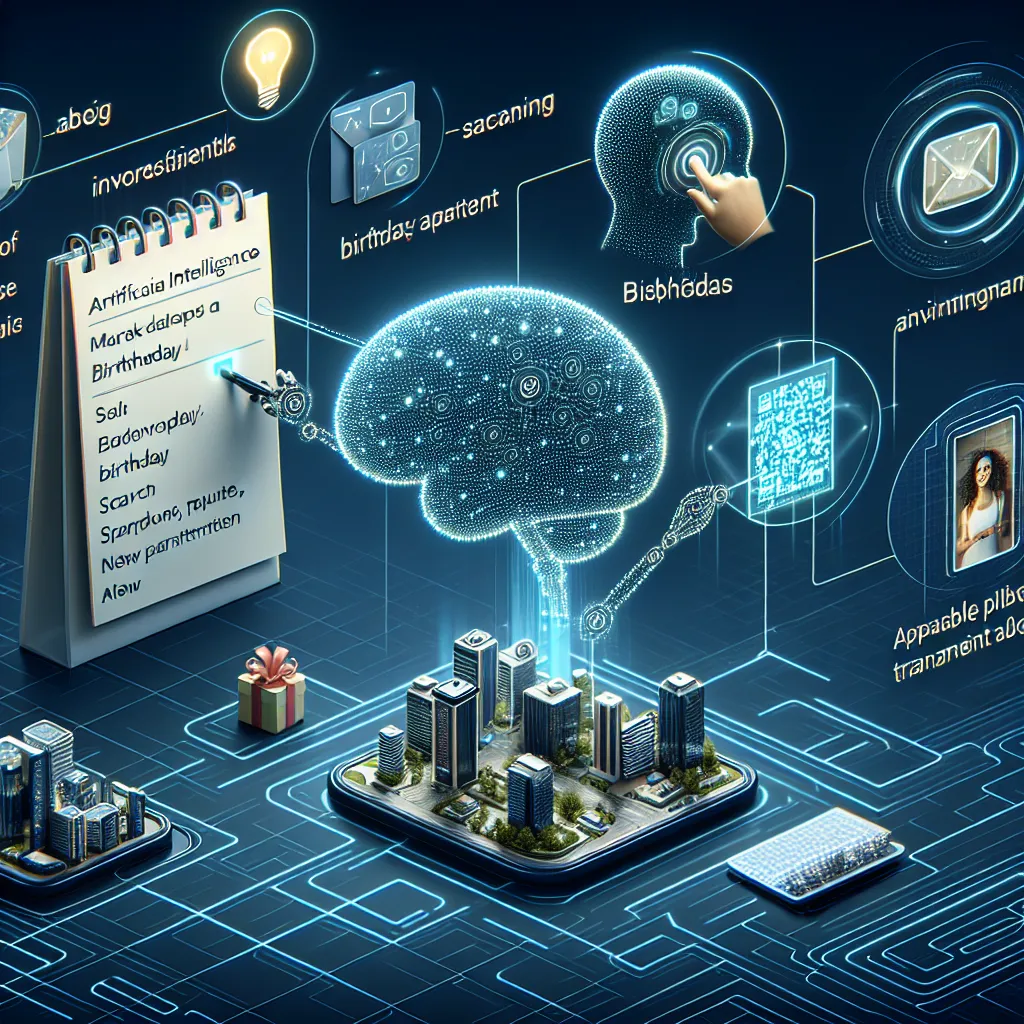
Shopping used to be visual — you browsed, chose, and bought. But with AI-enabled payments, there’s now an opportunity to remove visibility altogether. This idea builds a predictive engine that connects to your calendar, messages, and purchase history to preemptively buy things you need — before you ever search for them. It scans context for clues: your niece’s birthday is next week, or you just moved into a new apartment. It handles the purchase without bothering you. These are low-stakes, high-frequency decisions that previously required your attention. Now, Visa’s transaction layer lets AI execute micro-purchases invisibly. You never visit a product page — the right thing just arrives. It’s a commerce model that replaces interfaces with intent, turning context into action automatically.
Description
No additional description provided.
The Pitch
In the evolving landscape of retail and technology, there's an exciting opportunity to redefine how consumers engage in purchasing activities. Traditional shopping relied heavily on visual browsing and decision-making; however, with advancements in AI-enabled transactions, we can seamlessly integrate purchasing into daily life, making it almost invisible.
Imagine a world where a predictive engine smartly manages your low-stakes, frequent purchasing decisions. This concept hinges on an AI system that connects to your personal data streams such as calendars, messages, and past purchase history. By analyzing this data, the system anticipates your needs—whether it's a gift for an upcoming birthday, essentials for a new apartment, or daily household items—and handles purchasing autonomously, freeing you from routine tasks.
The problem with current shopping experiences is the necessity of active involvement in a multitude of small purchasing decisions. This requirement for constant attention and decision-making can be overwhelming, especially when considering non-discretionary or recurring purchases. Consumers spend substantial time searching, verifying, and processing these transactions which could be simplified and expedited.
To solve this problem, we propose a solution that uses AI-driven predictive analytics. This system proactively identifies purchasing needs based on contextual clues, executing transactions through a secure payment layer without requiring direct user intervention. Utilizing Visa’s advanced transaction infrastructure, this solution integrates customer intent with automated purchasing power.
Our product is an AI-powered engine that operates seamlessly within the user's digital environment. It consists of the following components:
1. Context Analyzer: Evaluates signals from calendar events, communications, and previous purchase behaviors to predict future needs. 2. Transaction Executor: Interfaces with a secure payment system to execute approved transactions automatically. 3. Personalization Framework: Continuously learns user preferences to refine purchasing accuracy and relevance. 4. Notification System: Provides subtle updates to users about completed transactions, allowing opt-out options if necessary.
To launch this as a Minimum Viable Product, consider using the following tools and resources:
- AI and Machine Learning Platforms such as TensorFlow or PyTorch for developing predictive models. - Secure API integrations with payment processors like Visa for handling transactions. - Data protection tools to ensure user privacy and comply with regulations such as GDPR or CCPA. - Development environments and platforms like AWS or Google Cloud for hosting and scalability.
For the Go-To-Market (GTM) strategy, begin by targeting tech-savvy early adopters who are comfortable sharing data for convenience. Strategic partnerships with financial institutions and digital payment services can help build credibility and ease market entry.
The business model revolves around a freemium approach. Offer basic functionalities for free to attract users while premium tiers provide advanced customization, cross-platform integrations, and user support services on a subscription basis. Potential revenue streams include transaction fee agreements with merchants for increased sales driven by the platform, or affiliate models with selected retailers.
In this innovative commerce model, interactions evolve from active engagement to seamless automation, transforming intent directly into action. The result is a shopping landscape where convenience and efficiency are paramount, allowing users to reclaim time and focus on what truly matters.