AI-Powered Grant Application Auto-Composer for Researchers
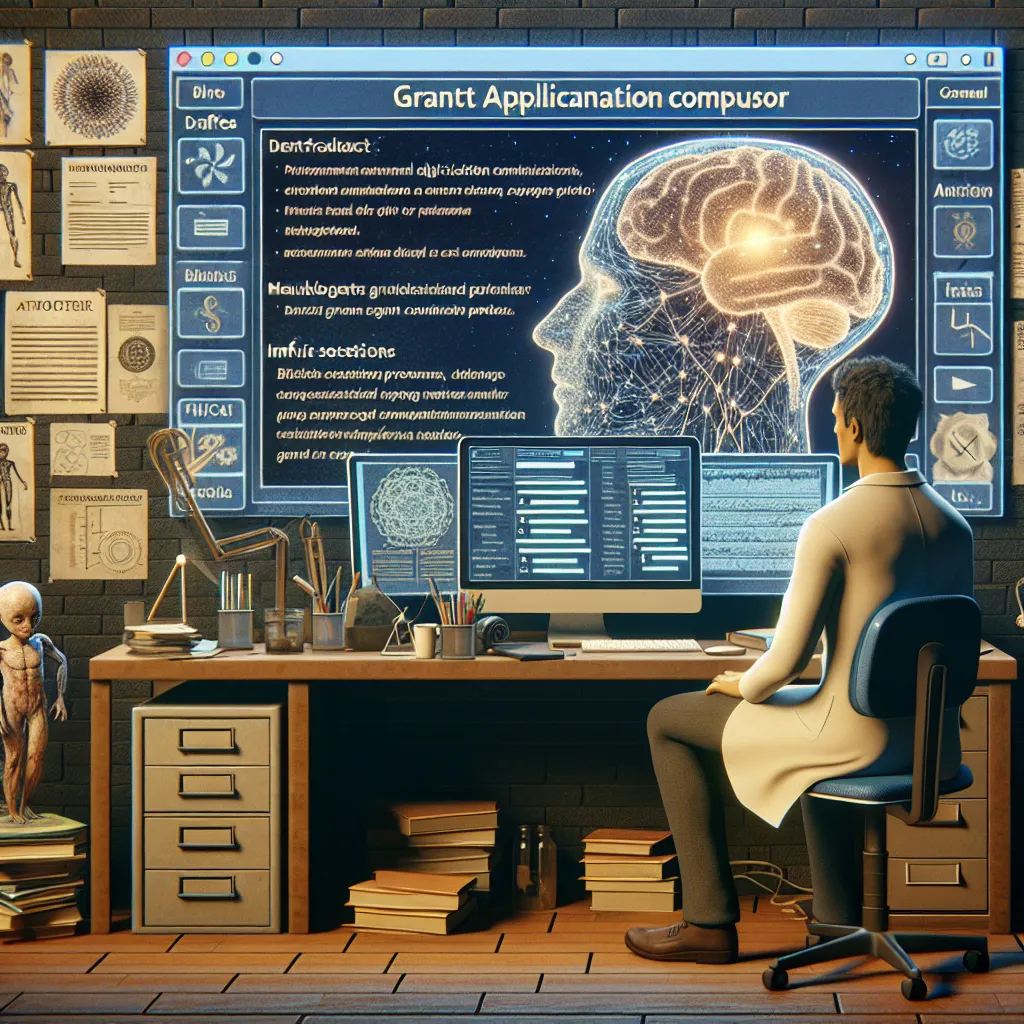
Scientists spend huge amounts of time drafting grant proposals, often with low success rates, pulling them away from research. Current tools only help lightly with grammar or basic structure — they don’t generate full, competitive, funder-tailored proposals. A Grant Application Auto-Composer would use an AI system to generate grant applications based on the researcher’s work, citations, and desired funding source, optimizing for grant success metrics. With AI now capable of authoring PhD-level papers, grant-writing automation is the next logical step to free scientists for core discovery work. For example, a neuroscientist could upload papers and data, select the NIH or NSF program, and the system would produce a full grant draft including impact sections, budgets, and references within days.
Description
No additional description provided.
The Pitch
Scientists today face a challenging dilemma: the necessity of drafting numerous grant proposals. This vital task, unfortunately, often pulls them away from their core research activities, and with the often low success rates, the effort feels arduous and inefficient. While basic tools exist to help lightly with improving grammar or providing structural templates, they fall short when it comes to crafting comprehensive, competitive, funder-specific proposals. There lies a significant gap between the capabilities of current tools and the needs of researchers for more sophisticated assistance.
The proposed solution is the development of a Grant Application Auto-Composer. This innovative tool would leverage advanced AI systems to generate detailed grant applications tailored to the requirements and success metrics of specific funding bodies. Such a tool would analyze a researcher's existing work, citations, and align with the targeted funding source's unique requisites to optimize chances of success.
Given the strides made in AI technology, including the capability of authoring academic-level papers, automating grant writing represents the next logical step. This would not only streamline the application process but also free scientists to dedicate more time to their primary research endeavors.
Imagine a neuroscientist needing to secure funding from an institution like NIH or NSF. With the Grant Application Auto-Composer, the researcher could simply upload their past papers and data, select the appropriate funding program, and within days receive a fully drafted grant proposal. This draft would include all necessary components: impact sections that highlight the broader significance of the research, detailed budget outlines, and meticulously compiled references.
To develop this into a viable product, several core technologies and tools can be utilized:
- Machine Learning Models: To analyze existing research and funding success metrics for tailoring proposals. - Natural Language Processing: For generating coherent, high-quality drafts and ensuring the proposals meet the linguistic standards expected in formal grant submissions. - Data Integration Tools: For seamless uploading and parsing of research papers and related materials. - User Interface Design: To ensure researchers find the platform intuitive and easy to navigate.
Launching this as a Minimum Viable Product could begin by focusing on a specific field such as neuroscience, capitalizing on collaboration with a few major funding agencies to refine the AI models. Early partnerships would also be crucial for validating the tool's effectiveness and iterating quickly based on user feedback.
The go-to-market strategy should involve building relationships with academia, research institutions, and industry professionals who could act as early adopters and ambassadors of the product. Demonstrations at scientific conferences, webinars, and targeted online marketing would help build visibility and trust within the community.
The business model could operate on a subscription basis, offering different tiers based on the complexity of the proposals required and the number of submissions per year. Additionally, partnerships with universities could provide a steady revenue stream while opening opportunities for discounted student access.
In summary, the Grant Application Auto-Composer addresses a significant pain point for researchers, offering a sophisticated, AI-powered tool to automate and optimize grant proposal writing. By harnessing the latest advances in technology, this innovation holds the potential to greatly enhance the efficiency and success rate of obtaining research funding, allowing scientists to focus on what they do best: discovery and innovation.