AI-Powered Game Creator for Student Innovation
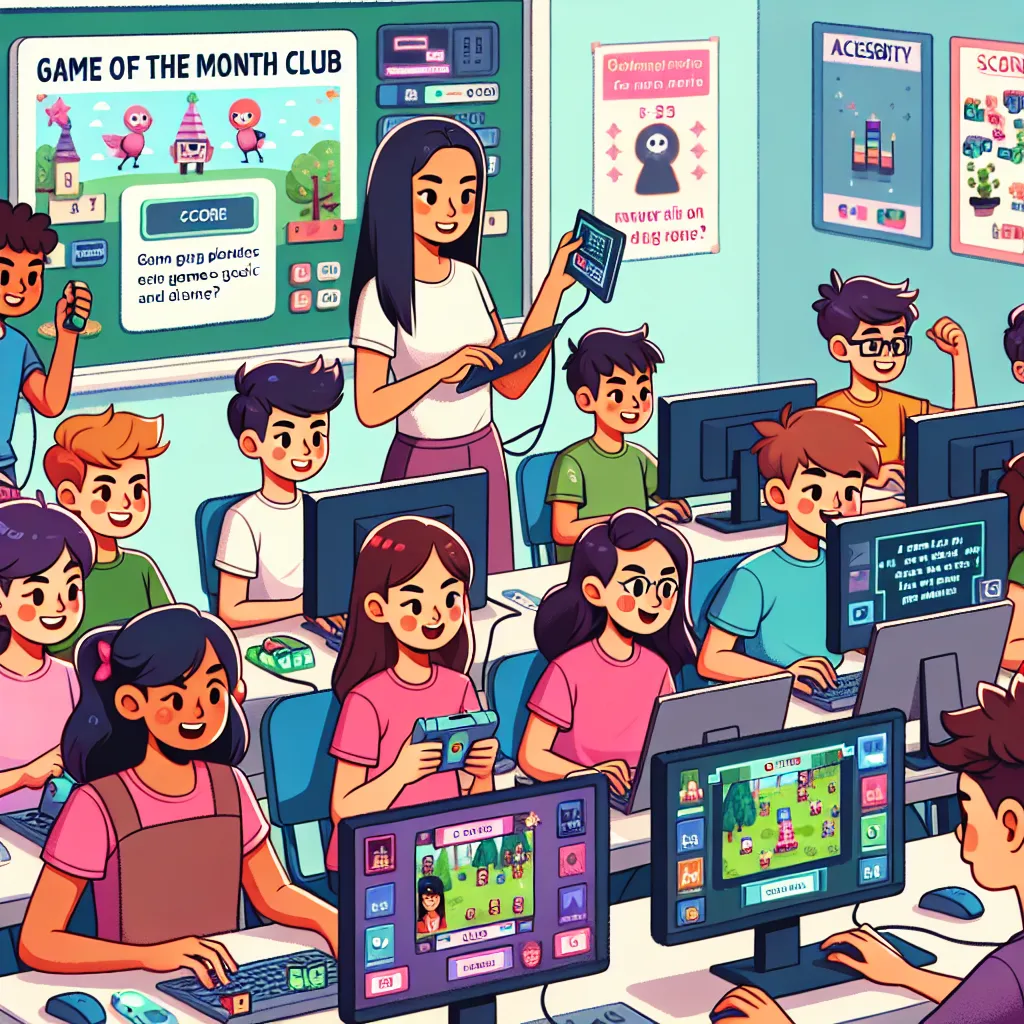
Students are increasingly interested in building their own games but lack tools and guidance. This platform lets schools license a branded AI-powered game creator that helps students make simple games (like platformers or trivia) without code. Pre-set prompts ensure games include basic logic, scoring, and accessibility. Teachers can monitor projects, and students can export to web or phone. A middle school might run a "Game of the Month" club where kids use the platform to design and play each other’s games in class or at home.
Description
No additional description provided.
The Pitch
The interest in game creation among students is on the rise, fueled by the gaming culture and the desire to express creativity through interactive media. However, many students find themselves at a loss when it comes to developing their own games due to a lack of accessible tools and guidance. This challenge presents an exciting opportunity to provide them with a platform that empowers them to create, learn, and share their creations.
### Backstory
As gaming continues to grow in popularity, particularly among younger audiences, educational institutions have recognized the potential of game development as a valuable educational tool. Game development encourages creativity, logical thinking, problem-solving skills, and collaboration. Despite its benefits, the adoption of game development as a curriculum or extracurricular activity has been hampered by the complexity of existing game-building tools and the resources required to teach them effectively.
### Problem
The main issue is that traditional game development tools often require coding knowledge or a steep learning curve, which deters students from engaging with them. Schools, on the other hand, face challenges in integrating these tools into their programs due to resource constraints, such as time, technical support, and lack of trained personnel. Consequently, students are missing out on valuable learning opportunities and schools on a potential innovative teaching approach.
### Solution
The proposed solution is an AI-powered game creation platform tailored for schools. This platform will enable students to design and develop their own simple games, such as platformers and trivia, without the need for coding skills. The platform would feature user-friendly interfaces, preset prompts to guide game logic and scoring, and built-in accessibility features. It will also allow teachers to monitor student progress and provide feedback. Additionally, students will have the option to export their games to web or mobile formats, fostering sharing and accessibility.
### Product Details
- **AI-Powered Interface**: Utilizes AI to guide students through the game creation process, offering suggestions and automating basic code structures. - **User-Friendly Design**: Simplifies game development with drag-and-drop functionality and intuitive controls, allowing students to focus on creativity. - **Educational Prompts**: Presents preset prompts to assist students in incorporating basic game mechanics, logic, and scoring. - **Teacher Dashboard**: Provides teachers with tools to oversee projects, track progress, and offer feedback. - **Export Options**: Supports game exports to both web and mobile platforms, enabling students to share their creations broadly. - **Accessibility Features**: Ensures games are designed with inclusive practices, supporting diverse learners.
### Tools for MVP Launch
To bring this product to market quickly as a Minimum Viable Product (MVP), the following tools and frameworks could be instrumental:
- **Unity or Unreal Engine**: For the development of the platform's core game-building capabilities. - **Dialogflow or OpenAI API**: To incorporate AI and natural language processing for guided game creation. - **Firebase or AWS**: For backend services, user authentication, and data storage solutions. - **React or Angular**: For frontend development, providing a smooth and responsive user experience. - **Figma or Adobe XD**: For designing a user-friendly interface and prototyping.
### Go-To-Market Strategy
1. **Pilot Program**: Partner with a select group of schools to trial the platform, gather feedback, and make necessary adjustments. 2. **Educator Workshops**: Conduct workshops for teachers to familiarize them with the platform and its educational benefits, encouraging buy-in. 3. **Marketing Campaigns**: Deploy targeted marketing campaigns towards school districts, highlighting the platform's benefits in enhancing digital literacy and creativity. 4. **Student Showcases**: Organize events or online showcases where students can present their games, increasing visibility and interest in the platform. 5. **Feedback Loops**: Continuously collect feedback from users (students and educators) to refine the platform and improve user experience.
### Business Model
- **Subscription Model**: Schools can subscribe to an annual or semester-based licensing plan, granting access to the platform for a specific number of students and teachers. - **Freemium Model**: Offer a basic version of the platform for free, with tiered premium plans that provide advanced features and greater customization options. - **Professional Development Packages**: Provide additional paid training sessions and resources for educators to maximize the platform's potential in their curriculum. - **Community Partnership**: Collaborate with local businesses and educational organizations to sponsor events or provide scholarships, promoting community engagement.
This platform has the potential to revolutionize how game development is integrated into educational curriculums, making it accessible and enjoyable for students, while also equipping them with valuable skills for the future.