AI-Powered Emergency Response Optimization System
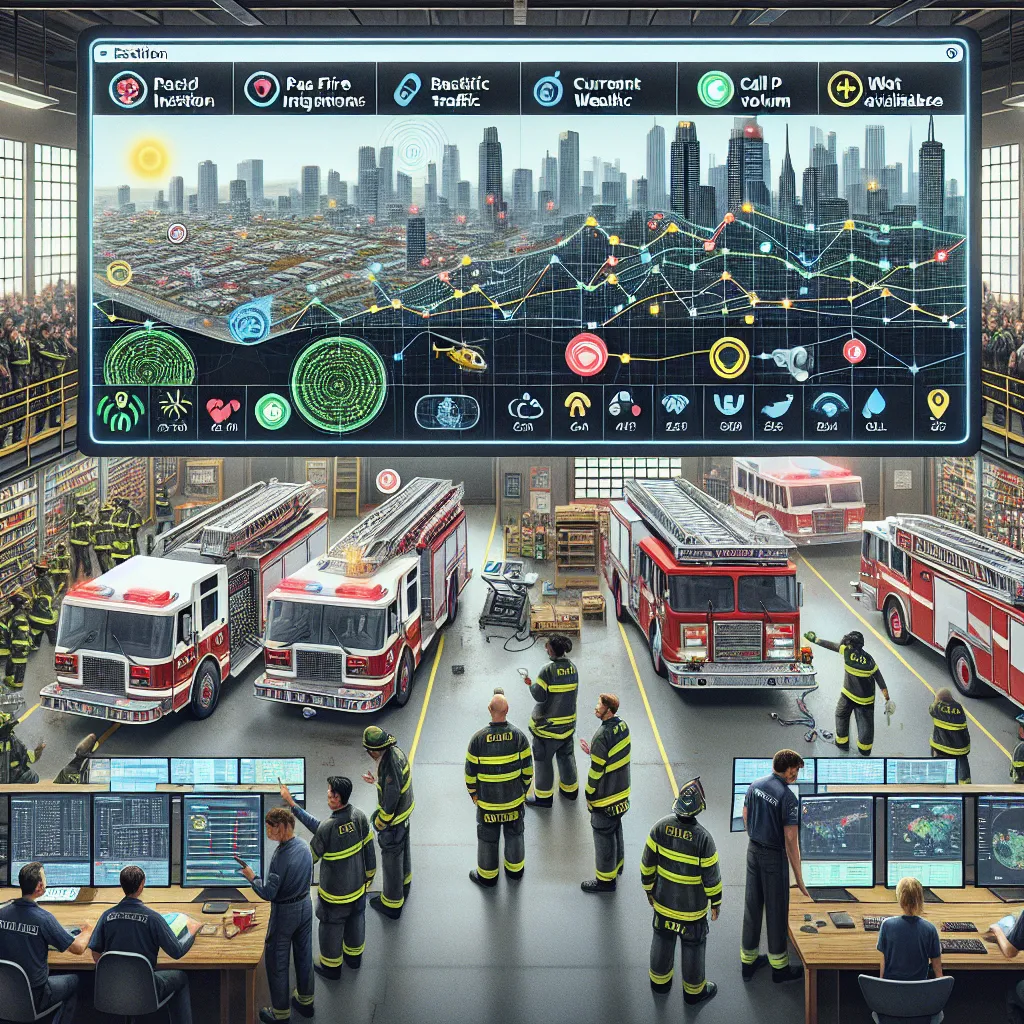
Fire and EMS stations still rely on static zone maps and gut instinct to deploy teams—leading to delayed response times and misallocated resources. DispatchIQ is an AI-powered system that pulls in past incidents, current traffic, call volume, weather, and vehicle availability to recommend optimized resource placement across a city. It updates in real time, adapting to shifting emergencies and crew shortages. Cities like San Diego have experimented with similar modeling internally—but there’s no plug-and-play system for everyone else. Modern emergency management demands real-time intelligence, not whiteboards.
Description
No additional description provided.
The Pitch
Emergency response teams are the backbone of public safety, entrusted with the critical task of providing timely assistance during crises. Traditionally, Fire and Emergency Medical Services (EMS) stations rely heavily on static zone maps and experienced intuition to deploy their teams. While experience is invaluable, these methods often lead to inefficiencies such as delayed response times and misallocated resources. As urban environments grow more complex, there is a compelling need for a dynamic, data-driven approach to emergency dispatch.
---
**Identifying the Problem**
The current methods of emergency resource allocation involve inherent limitations:
- Static Maps: These maps fail to account for real-time variables that can affect response times, such as traffic congestion or unexpected road closures. - Human Intuition: While critical, human decision-making can be biased or based on incomplete information, leading to less-than-optimal allocation of resources. - Resource Misallocation: This often occurs due to changing conditions that static plans cannot accommodate, resulting in some areas being undercovered while others are overstaffed. - Manual Updates: Whiteboards or similar tools require manual input and constant attention to detail, which is inefficient during fast-evolving situations.
The result is a system that does not fully support modern emergency management demands.
---
**Proposed Solution**
Enter DispatchIQ, a cutting-edge AI-powered system designed to revolutionize the way emergency resources are allocated. By leveraging advanced data analytics, machine learning, and real-time input, DispatchIQ enhances the decision-making process for emergency response teams.
Key Features of DispatchIQ:
- Real-Time Data Integration: DispatchIQ integrates historical incident data, live traffic updates, call volume, weather conditions, and vehicle availability to ensure the most informed decisions. - Dynamic Resource Allocation: As conditions change, the system adapts in real-time to provide optimized resource placement recommendations. - Intuitive Dashboard: A user-friendly interface allows dispatchers to easily visualize current resource locations and potential gaps in coverage. - Predictive Analytics: By analyzing past incidents, DispatchIQ can identify patterns and predict high-risk areas, allowing preemptive resource allocation. - Seamless Communication: Facilitates quick communication between dispatchers and field units, improving response coordination.
---
**Product Details**
DispatchIQ offers a modular architecture, allowing it to be customized and scaled according to the specific needs of a city or region. It can be easily integrated into existing dispatch systems or implemented as a standalone solution. The product is cloud-native, ensuring accessibility and reliability.
---
**Tools for Launching the MVP**
To bring DispatchIQ to market as a Minimum Viable Product (MVP), consider the following tools and platforms:
- Cloud Platforms: AWS or Google Cloud for hosting and real-time data processing. - Machine Learning Libraries: TensorFlow or PyTorch for developing predictive models. - Data Integration Tools: Apache Kafka for real-time data streaming and connection with various data sources. - Front-End Technologies: React or Angular for building the intuitive dispatcher interface. - Communication APIs: Twilio or similar services for messaging and notification systems.
---
**Go-To-Market (GTM) Strategy**
The launch strategy for DispatchIQ should focus on key elements to engage potential clients and establish market presence:
1. **Target Market**: Identify urban municipalities and emergency service departments that are eager to adopt innovative technologies for improved efficiency.
2. **Partnerships**: Collaborate with technology providers, emergency training centers, and city planners to build credibility and expand reach.
3. **Pilot Programs**: Implement pilot programs in select cities to showcase the system's capabilities and collect valuable feedback for further refinement.
4. **Marketing and Outreach**: Utilize digital marketing, participate in public safety conferences, and engage with industry thought leaders to raise awareness.
5. **Education and Training**: Offer comprehensive training resources to ensure seamless adoption and maximize the system's benefits.
---
**Business Model**
DispatchIQ can adopt a subscription-based or SaaS model. Different pricing tiers could be offered based on the size of the city and the features required. Additional revenue streams could include offering consulting services for system customization or data analytics insights. Furthermore, integration partnerships could open avenues for continuous development and expansion.
---
In conclusion, DispatchIQ represents a transformative step in emergency response management. By marrying advanced technology with traditional expertise, it empowers fire and EMS stations with the tools needed to meet the complex challenges of today’s urban landscapes. Real-time intelligence and optimized decision-making are no longer the future—they are here, ready to be deployed.