AI-Powered Dynamic Research Mapping Platform
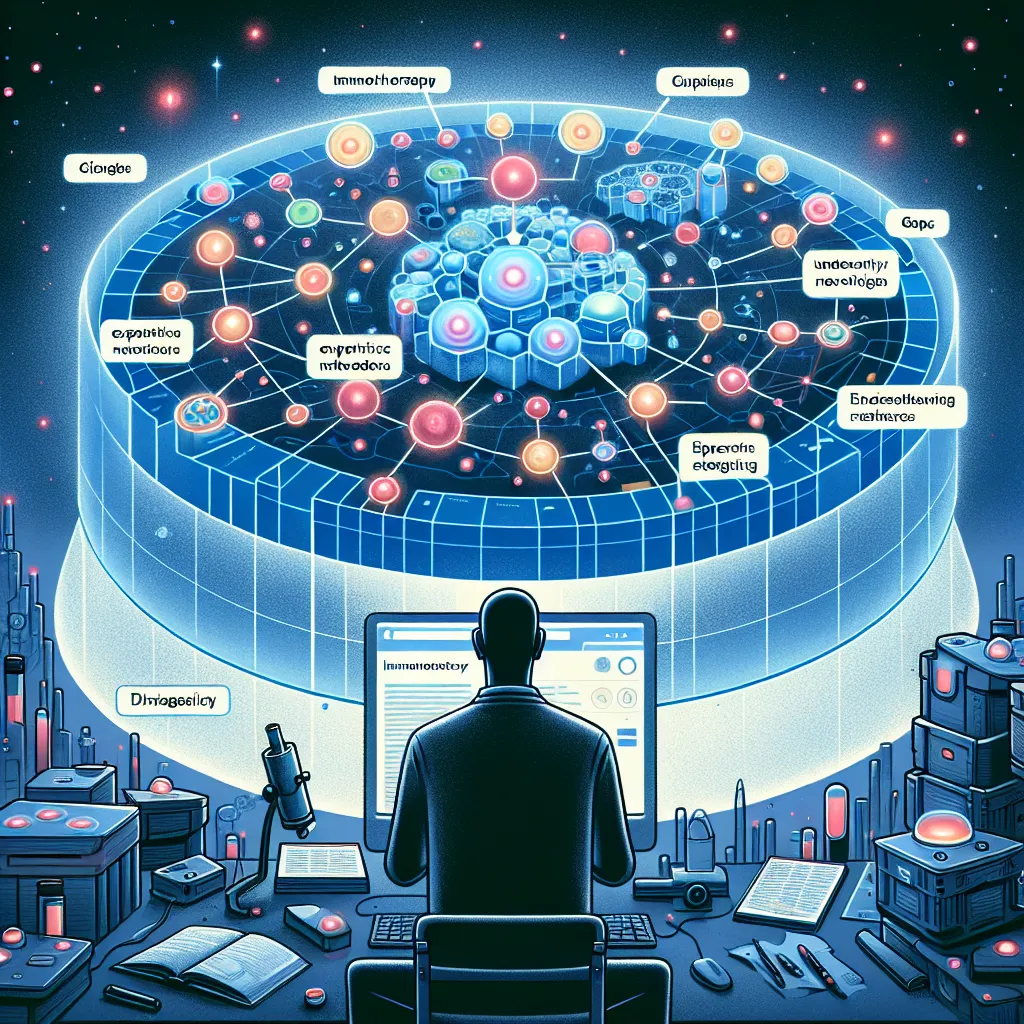
The volume of scientific research, human and AI-generated, is exploding — making it impossible for researchers to keep up, let alone spot gaps and trends. Current databases help search papers but lack dynamic, real-time synthesis. An AI-Generated Meta-Science Platform would map new research live, showing clusters, gaps, and emerging fields — like a living, Google Maps for science. The trend toward AI-driven discovery demands new meta-tools to make sense of it all. For example, a cancer researcher could visualize the latest advances in immunotherapy, filter by novelty or experimental method, and identify underserved research areas where breakthroughs are likely.
Description
No additional description provided.
The Pitch
In the current era of rapid scientific advancement, researchers and academics face an overwhelming influx of information. Both human and AI-generated research contributions are growing exponentially, rendering traditional methods of staying informed insufficient. Existing research databases primarily function as search tools for locating specific papers, but they often fail to provide a cohesive, dynamic synthesis of the vast amounts of data being produced. This has created a substantial gap in the ability of researchers to identify trends, spot gaps, and visualize the evolving landscapes of their fields.
Problem Statement The core problem lies in the inability to efficiently track and visualize the ever-expanding body of scientific knowledge. Researchers struggle to keep up with the latest developments, which impedes their capacity to recognize emerging fields and underserved areas ripe for exploration. Moreover, with the rise of AI assistance, there is a pressing need for tools that do not just catalog information, but dynamically interpret and present it in a meaningful way. The lack of such integrative meta-tools risks significant delays in scientific discovery and hinders collaborative efforts across disciplines.
Proposed Solution The proposed solution is the development of an AI-Generated Meta-Science Platform. This platform will act much like a living map for science, continuously updating in real-time to provide a comprehensive view of research activities across various domains. It will leverage advanced machine learning algorithms and natural language processing to map new research in real-time.
The platform will offer visualization tools that outline clusters of related research, gaps in current knowledge, and emerging fields at a glance. For instance, a cancer researcher could utilize the platform to visualize the most recent advancements in immunotherapy, filter these by novelty or experimental method, and pinpoint areas with limited research activity that offer potential for breakthroughs.
Product Details - Interactive Research Maps: Visually represent clusters of interconnected research papers and identify emerging trends. - Gap Identification: Highlight areas under-researched or with significant potential for groundbreaking discoveries. - Customizable Filters: Allow users to sort data by criteria such as novelty, experimental methods, and authorship. - Real-Time Updates: Continuously refresh data to reflect the latest additions to the scientific body of knowledge. - Collaboration Tools: Facilitate the sharing of insights and foster interdisciplinary collaboration.
Tools and Technology for MVP Development - Machine Learning Models: Use natural language processing and clustering algorithms to analyze research papers. - Data Visualization Software: Implement tools like D3.js or Plotly for creating interactive visualizations. - Cloud Services: Leverage platforms such as AWS or Google Cloud for scalable data processing and storage solutions. - API Access: Implement APIs for seamless integration with existing research databases and institutions.
Go-To-Market Strategy 1. Initial Target Audience: Focus on academic institutions, research organizations, and R&D departments within companies. 2. Partnerships: Collaborate with research databases and academic publishers to enhance data access and credibility. 3. Pilot Programs: Launch pilot initiatives in collaboration with leading universities and research institutions to refine features and validate the platform's efficacy. 4. Marketing Channels: Utilize academic conferences, webinars, and online workshops to showcase platform capabilities. 5. Feedback and Iteration: Gather user feedback from early adopters to iterate on features and improve user experience.
Business Model The business model could incorporate multiple revenue streams, including: - Subscription Fees: Offer tiered subscription plans based on usage levels and access requirements. - Institutional Licenses: Provide licenses to universities and research institutions, allowing access for multiple users. - Data Analytics Services: Offer advanced analytics as a premium service for companies seeking in-depth research insights. - Advertisements: Include targeted ads from research tool companies and academic publishers within the platform.
Conclusion An AI-Generated Meta-Science Platform represents a transformative step in scientific research, offering unprecedented clarity and accessibility to the ever-growing universe of knowledge. By bridging the gap between data deluge and meaningful interpretation, such a platform has the potential to accelerate discovery, foster collaboration, and enhance the overall efficiency of research endeavors globally. This approach not only meets the demands of AI-driven discovery but also enriches the scientific process with innovative tools for the modern researcher.