AI-Powered Co-Parenting Communication App
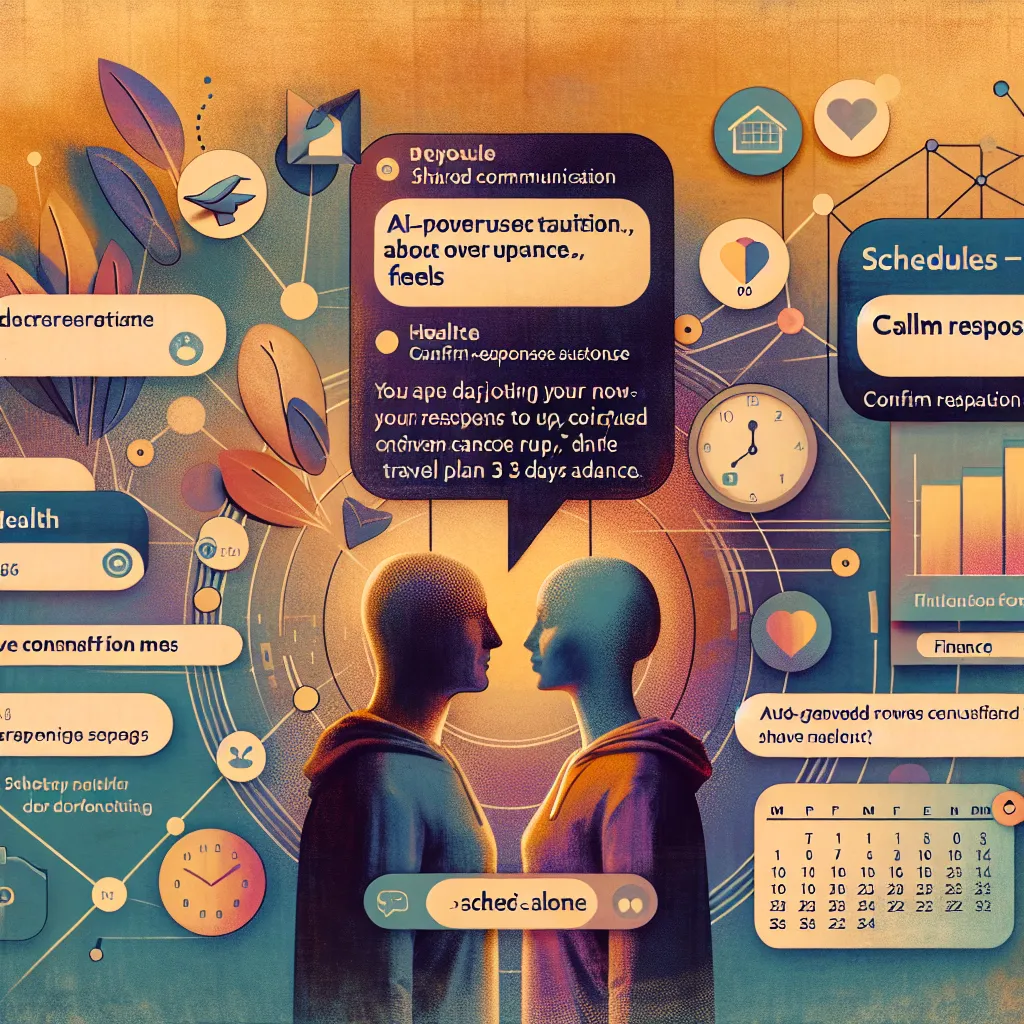
Separated parents often face emotionally charged logistics—scheduling visits, sharing health updates, managing finances and school events—still organized through fragmented texts and calls. Embracing the trend of AI-powered co-parenting apps (e.g., BestInterest) this platform intelligently curates shared communication: it auto-sorts messages into “Schedules,” “Expenses,” “Health,” and uses AI to detect conflict patterns or emotion flare-ups, offering mediation prompts. For example, if one parent sends a stressed message about overdue tuition, the app suggests a calm response template and adds it to “Finance.” Over time, shared calendars adjust to behavioral cues, and predictive alerts prompt parents: “Trip coming up—confirm travel plan 3 days in advance.” It’s structured, caring co-parenting without friction.
Description
No additional description provided.
The Pitch
In the modern landscape of parenting, separated parents often encounter logistical and emotional challenges when coordinating their shared responsibilities. The process of organizing schedules, sharing health updates, managing finances, and coordinating school events is typically fragmented, relying heavily on texts, calls, and emails. This piecemeal communication approach can lead to misunderstandings, increased stress, and potential conflict, which ultimately affects both parents and children.
Enter the wave of AI-powered solutions, particularly in the domain of co-parenting support. This innovative platform aims to transform the way separated parents communicate by providing an intelligent, centralized hub that organizes shared responsibilities effectively. By leveraging artificial intelligence, the platform automatically categorizes communication into distinct areas such as Schedules, Expenses, and Health, which streamlines the information flow and reduces potential for conflict.
One of the standout features of the platform is its ability to assess and identify conflict patterns or emotional triggers in communications. For instance, if a message contains stressed language regarding overdue tuition, the platform can intervene by suggesting calm response templates and categorize the conversation under Finance. Over time, this intelligent system learns from interactions, adjusting shared calendars based on behavioral cues. Additionally, it can generate predictive alerts, like reminding parents to confirm travel plans in advance, to ensure smooth and frictionless coordination.
The vision is to offer structured, compassionate co-parenting that minimizes friction and enhances cooperation between separated parents.
To launch this platform as a minimum viable product, several tools are essential. Cloud-based computing resources for data storage, machine learning frameworks to implement AI functionalities, and a robust mobile application development environment to ensure a seamless user experience are crucial. Additionally, integrating existing communication tools and calendar applications could enhance usability for the users.
The go-to-market strategy includes targeting family law professionals and parenting groups to establish credibility and increase awareness. Collaborations with therapists and counselors could also provide valuable endorsements and access to a broader audience.
The business model could be subscription-based, offering different tiers to match varying levels of support and functionality. Providing options for ad-free experiences or enhanced features, such as personalized mediation support, could attract users seeking more tailored assistance. Moreover, a free basic tier might help in attracting a critical mass of users who could later convert to paid plans.
This platform has the potential to redefine co-parenting by using technology to make it smoother and more collaborative, ultimately fostering a healthier environment for children involved.