AI-Powered Bone Conduction Hearing Aids
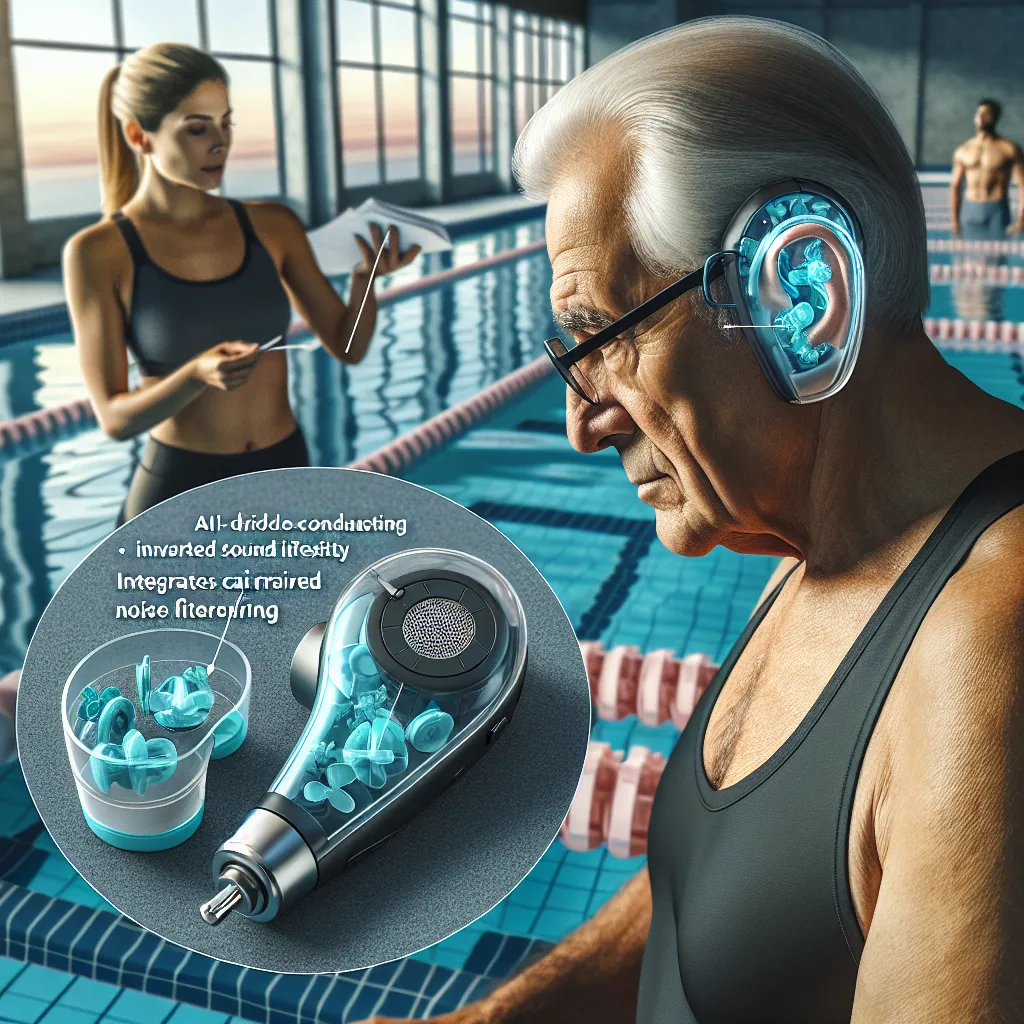
Traditional hearing aids are expensive, uncomfortable for active users, and vulnerable to water and sweat. A bone-conduction-based hearing aid provides a waterproof, exercise-friendly alternative that enhances sound clarity without blocking the ear canal. By integrating AI-driven noise filtering, users can better focus on conversations in noisy environments. Research shows bone conduction is effective in bypassing middle ear issues. For instance, an older adult could use it while swimming laps and still hear instructions from a coach or trainer.
Description
No additional description provided.
The Pitch
Traditional hearing aids face several challenges, such as high costs, discomfort for active users, and susceptibility to water and sweat damage. A novel solution to these issues is the development of a bone-conduction-based hearing aid. This technology offers a waterproof and exercise-friendly alternative that enhances sound clarity without obstructing the ear canal. By employing AI-driven noise filtering, users can better concentrate on conversations, even in noisy environments. Research indicates that bone conduction effectively bypasses middle ear issues, providing clear sound transmission.
Consider an older adult who enjoys swimming and wishes to hear instructions from a coach or trainer while completing laps. A bone-conduction hearing aid allows them to do just that, offering both clarity and comfort.
Development Tools and MVP Launch
To embark on building this innovative product, a range of development tools can be utilized. Hardware components might include bone-conduction speakers and waterproof materials, while software could leverage AI algorithms for noise filtering and sound optimization. Entrepreneurs can use platforms like Arduino or Raspberry Pi for prototyping the electrical components, and development environments like MATLAB or Python for algorithmic development.
For launching a Minimum Viable Product, rapid prototyping tools can facilitate quick iterations. Partnerships with manufacturers for custom bone-conduction transducers can also streamline product development. Deploying a lean startup approach would involve iteratively testing the solution with early adopters, incorporating feedback to refine the product design and functionality.
Go-to-Market Strategy and Business Model
The go-to-market strategy should focus on differentiating the product from traditional hearing aids by emphasizing its unique benefits. This includes its suitability for active users and the AI-driven noise filtration. Target segments could be active older adults, fitness enthusiasts with hearing issues, and even healthcare institutions seeking modern solutions. A combination of digital marketing to reach tech-savvy consumers and partnerships with audiology clinics can effectively build brand awareness.
The business model can be structured around direct-to-consumer sales complemented by partnerships with audiologists and healthcare professionals. Subscription models for AI software updates can ensure ongoing revenue as the product evolves. Additionally, offering customization options through an online platform could attract customers interested in personalizing their hearing aid according to their lifestyle needs.
With these strategies in place, the bone-conduction-based hearing aid is positioned to reform the market, catering to active users seeking comfort, durability, and enhanced hearing in various environments.