AI-Powered ARGs: Transforming Reality into Interactive Games
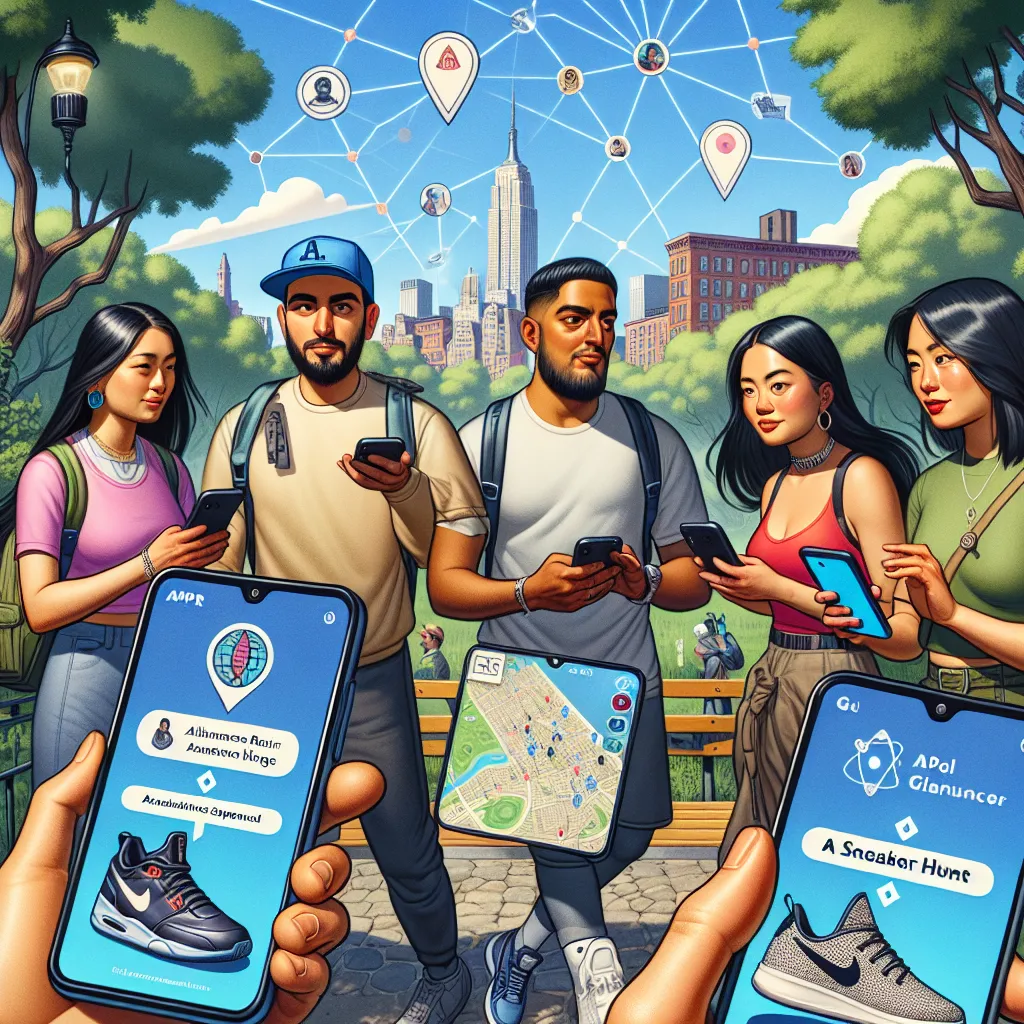
Video games are static worlds, while real life feels disconnected from play. In Japan, anime fandoms and ARGs (alternate reality games) already blur the line — scavenger hunts in Tokyo where fans unlock storylines. In the West, Pokémon Go showed the potential, but it plateaued because the content was finite. The solution is AI-driven ARGs: quests, NPCs, and storylines that spawn dynamically based on your location and interests. Walk into a park in Brooklyn, and your phone unlocks a “lost artifact quest,” written uniquely for you. Businesses could sponsor these quests — Nike drops a sneaker hunt, Starbucks spawns a collectible. Abroad, AR and fan-driven ARGs have traction, but none have cracked mainstream in the U.S. since Pokémon Go. A generative, living world could make reality itself the game.
Description
No additional description provided.
The Pitch
In recent years, the line between virtual experiences and real life has increasingly blurred. While video games offer expansive worlds to explore, they often remain static, failing to integrate seamlessly with our everyday environment. In contrast, real life can feel disconnected from the engaging and interactive elements inherent in gaming. This emerging gap presents a unique opportunity for innovation.
In Japan, both anime fandoms and alternate reality games (ARGs) have made strides in bridging this gap. Fans participate in scavenger hunts throughout Tokyo, unlocking storylines and immersing themselves in narratives that weave into the physical world. Similarly, Pokémon Go provided a glimpse of this potential on a global scale, although it eventually plateaued due to its finite content. The U.S. has yet to see a mainstream breakthrough that brings the dynamic, interactive nature of ARGs to the forefront in everyday settings.
The solution lies in developing AI-driven ARGs, tailor-made for each user. Imagine quests, non-playable characters (NPCs), and storylines that dynamically manifest based on your location and personal interests. You stroll through a park in Brooklyn, and suddenly, a lost artifact quest appears on your device, crafted uniquely for you. Such personalization ensures a continuously engaging experience, transforming reality into a living game.
Businesses can also play a role in enhancing these experiences by sponsoring quests. Imagine Nike orchestrating a sneaker hunt or Starbucks initiating a collectible quest. This synergy between commercial interests and user engagement can foster a mutually beneficial ecosystem, offering brands a novel way to interact with customers.
The vision of a generative, living game world holds the promise of redefining entertainment and marketing landscapes, but how can this be realized practically?
**Product Details and Tools for Building an MVP:**
- **Core Technology:** Utilize advanced AI and machine learning algorithms to generate personalized storylines and quests based on user data and location analyses.
- **Mobile Application:** Develop a mobile platform that serves as the primary interface for interacting with the augmented reality quests, equipped with GPS, AR capabilities, and a seamless user interface.
- **Content Management System:** Create a robust CMS that allows businesses and creators to design and manage quests, integrating brand objectives seamlessly into the gameplay.
- **Monetization and Sponsorship Toolkit:** Develop tools for brands to easily sponsor and inject their content into user experiences, incorporating analytics to track engagement and ROI.
**Go-To-Market (GTM) Strategy:**
- **Initial Launch:** Start with pilot tests in key urban areas with a high density of tech-savvy users, such as New York City, San Francisco, and Los Angeles.
- **Partnerships:** Collaborate with brands that have strong youth and tech presence to co-create engaging quests and offer exclusive branded rewards.
- **Community Engagement:** Build a strong community of early adopters through social media, gamifying user-generated content and encouraging sharing of experiences.
- **Influencer Collaboration:** Leverage relationships with influencers in the gaming and tech industries to amplify reach and excitement.
**Business Model:**
- **Freemium Model:** Offer a basic tier of the app for free, with options for premium subscriptions that unlock exclusive quests and features.
- **Sponsored Content:** Brands pay for quest creation, product placements, and analytics on user engagement.
- **In-App Purchases:** Allow users to buy virtual items, enhancements, or skip certain challenges for a fee.
This AI-driven ARG platform could redefine the boundaries of play, connection, and commerce, turning the entire world into a personalized gaming landscape. With the right technological foundation and strategic approach, it has the potential not only to captivate audiences but also to unlock new revenue streams in the evolving entertainment industry.