AI-Powered Affiliate Feeds for Trusted Purchases
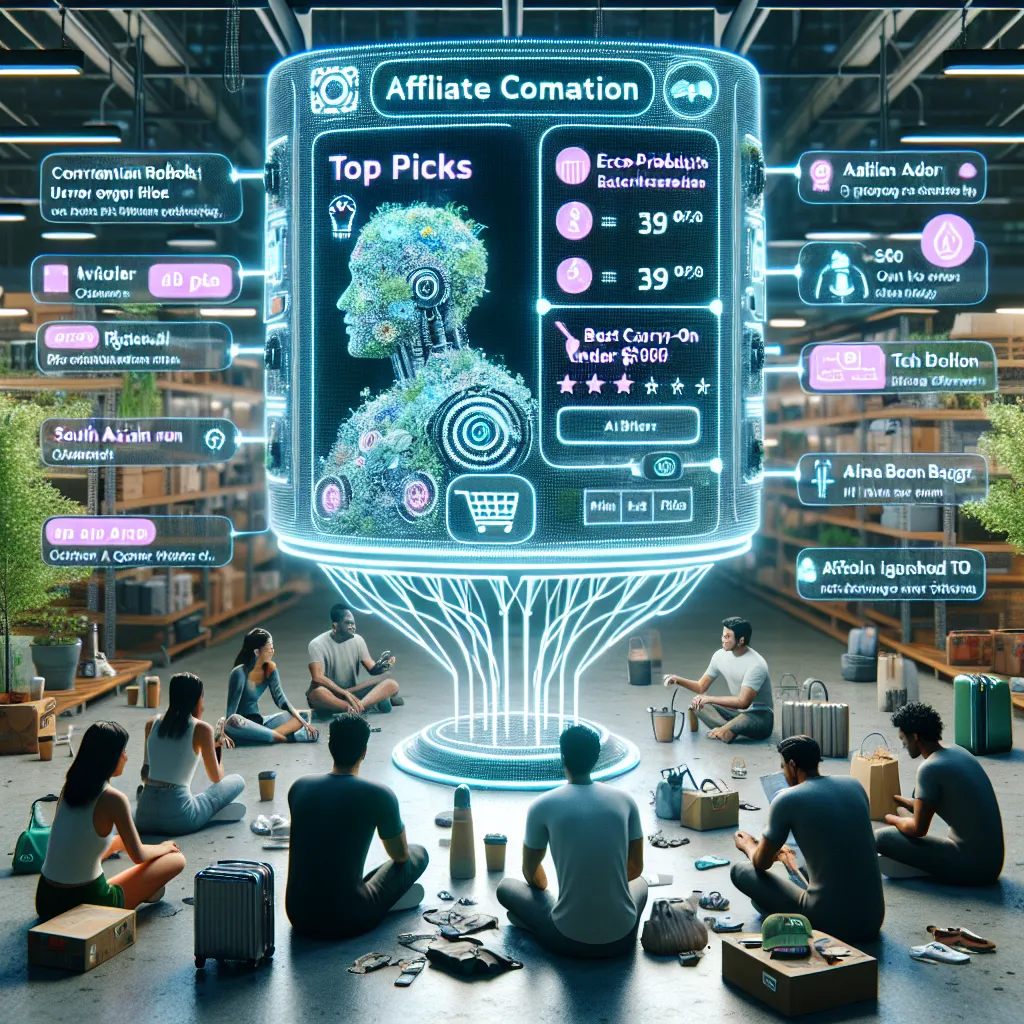
As AI agents begin to handle everyday purchases, they’ll rely on structured, trusted sources to make decisions—especially when it comes to niche preferences like eco-friendly products, budget gear, or creator-curated lists. The problem is, most affiliate recommendations today are scattered across blogs, YouTube videos, or Instagram captions, with no standardized format that agents can easily parse. This creates a gap between what users trust and what their agents can act on. The solution is a low-capital platform that turns curated product lists from influencers and niche communities into AI-readable deal feeds. Using a simple Airtable or Notion template, creators can submit “Top Picks” lists that are automatically converted into structured data—clean SKUs, price ranges, and metadata. These feeds are accessible to users or agents via a lightweight API. The platform earns affiliate revenue or charges a SaaS fee. It’s a timely idea: as agentic commerce rises, consumers will want their agents to follow recommendations from real people they trust. For example, a travel creator could publish a monthly “best carry-on bags under $100” feed, and a user’s agent could auto-buy when deals match that criteria. It’s like turning affiliate curation into agent fuel—without ever holding inventory or needing heavy tech.
Description
No additional description provided.
The Pitch
In the evolving landscape of e-commerce, AI agents are increasingly handling routine purchases, often based on user preferences such as eco-friendliness, affordability, or specific influencer recommendations. Currently, these recommendations are dispersed across various platforms like blogs, YouTube, and Instagram, lacking a standardized and easily interpretable format for AI systems. This disconnect creates a challenge for users who trust human recommendations but rely on AI agents for purchasing convenience.
To address this gap, envision a streamlined platform designed to transform curated product lists from influencers and niche communities into actionable, AI-readable feeds. This solution involves creators using simple tools like Airtable or Notion templates to submit their curated Top Picks lists. In turn, these lists are automatically converted into structured data, capturing essential details such as SKUs, price ranges, and product metadata. By doing so, the platform generates easily accessible feeds for both users and AI agents through a lightweight API interface.
The essence of this approach is to empower consumers to trust their AI agents with decisions based on genuine recommendations from credible sources. For instance, take a travel influencer who compiles a monthly “best carry-on bags under $100” list. The platform enables an AI agent to make purchases automatically when deals align with the outlined criteria, thereby seamlessly converting affiliate content into actionable insights without the need for inventory management or complex technology infrastructures.
To bring this concept to life as a Minimum Viable Product (MVP), begin with the following tools and strategies:
1. Product Development: - Utilize Airtable or Notion for creators to submit their lists. - Develop an API to convert these submissions into structured feeds. - Focus on ensuring accuracy and reliability in SKU and price data.
2. Go-to-Market (GTM) Strategy: - Partner with micro-influencers and niche community leaders initially, emphasizing the ease and efficiency of the platform. - Conduct targeted outreach campaigns showcasing use cases, such as travel or eco-friendly product lists, to illustrate the platform's potential. - Use digital marketing to create awareness among tech-savvy consumers interested in agentic commerce.
3. Business Model: - Implement an affiliate revenue model, earning commissions on purchases completed through the platform feeds. - Introduce a SaaS pricing model for creators, offering premium features or analytics for a subscription fee. - Explore partnerships with e-commerce platforms for potential synergies and expanded reach.
By tapping into the rise of agentic commerce and the consumer demand for trusted recommendations, this platform can redefine how curated content is consumed and acted upon in the digital shopping experience.