AI Platform Unlocks Restricted University Funds
Universities often receive gifts with complex or outdated restrictions, tying up billions of dollars in funds that are hard to use. These restrictions, while legally binding, often don’t match modern needs and can be administratively overwhelming. A legal-tech platform could use AI to scan gift agreements, flag unusable funds, and automate the legal cy-près process to modify or release them. This would unlock funds for financial aid, research, and capital needs without risking donor trust. With universities increasingly under pressure to deploy endowment resources more efficiently, modern contract analytics and NLP make unlocking these “frozen” assets possible. Example: A Plaid-like backend for universities, surfacing which 1950s-restricted scholarship funds can now be redirected to where they’re actually needed.
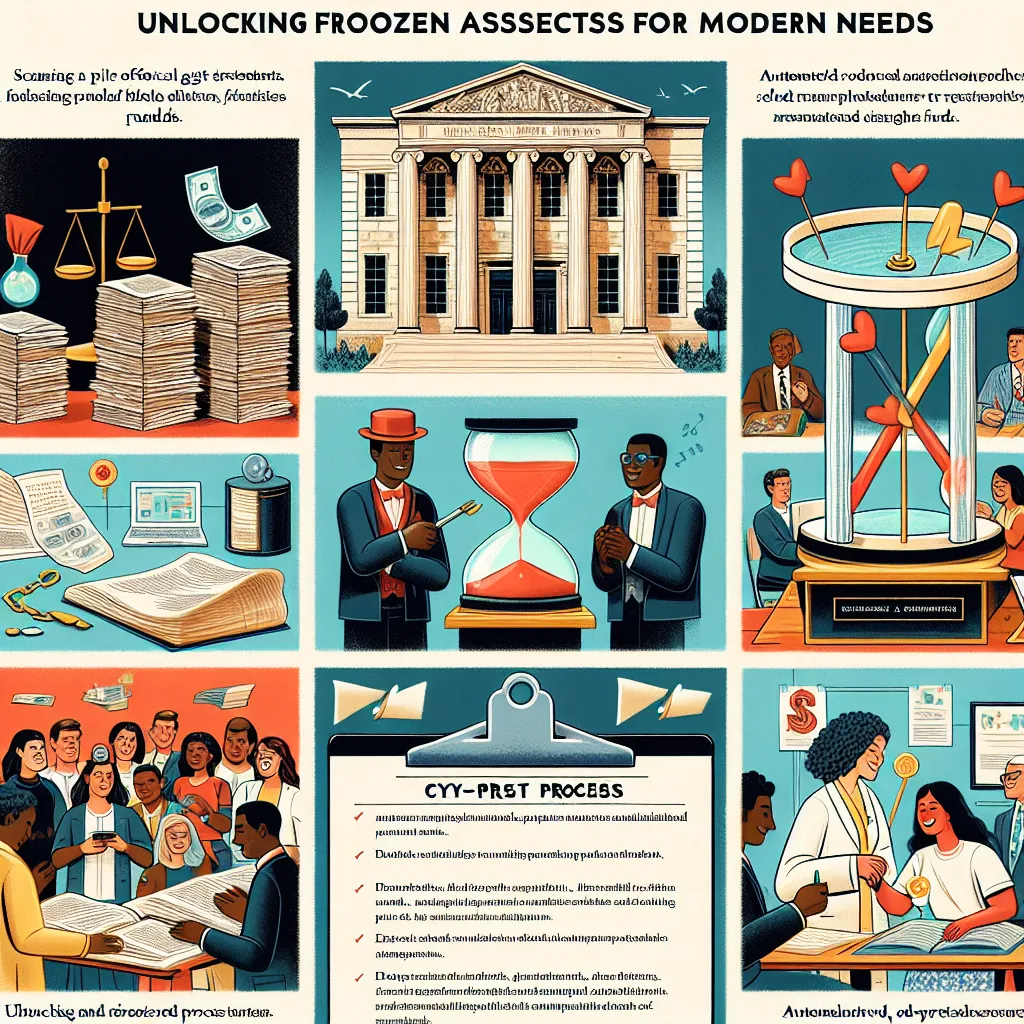
Description
No additional description provided.
The Pitch
Universities across the globe are facing a financial conundrum. They possess significant amounts of endowment funds that are tied up by complex or outdated restrictions. These limitations make it incredibly challenging for institutions to utilize these funds to meet their current needs. The friction lies in the legally binding nature of the donor agreements that often fail to align with contemporary priorities such as financial aid, cutting-edge research, and infrastructural development.
Backstory: Many universities have accumulated endowment funds over decades, if not centuries. During this time, donor preferences and legal frameworks have evolved substantially. Donors have traditionally attached specific conditions to their gifts - perhaps to support a now-defunct department or to sponsor research in an area that is no longer relevant. Though well-intentioned, these restrictions create administrative burdens and prevent universities from deploying their resources effectively.
Problem: The core issue is the administrative and legal complexity involved in renegotiating or modifying these donor agreements. Legally, universities are bound by these contracts, and any modifications require going through the cy-près process, a legal doctrine that allows the terms of a charitable trust to be altered when the original objective cannot be met. However, this process is time-consuming and resource-intensive, requiring legal expertise and often, judicial approval.
Solution: A legal-tech platform designed to modernize how universities manage these restricted funds. By utilizing artificial intelligence, specifically natural language processing (NLP), the platform can automatically scan and analyze gift agreements. It would identify funds that are currently frozen due to their restrictions and suggest viable paths for modification through the cy-près process. This would not only free up valuable resources but also ensure that universities remain compliant with donor intents while meeting their current strategic needs.
Product Details: 1. AI-Powered Analysis: Use NLP to scan and interpret the legal text of gift agreements. 2. Automated Flagging: Identify funds with restrictions that may be revised or released. 3. Cy-près Facilitation: Provide automated tools and templates to prepare for the cy-près process, reducing the need for extensive legal counsel. 4. Donor Relations Management: Tools to communicate with donors or their descendants, ensuring transparency and maintaining trust. 5. Dashboard for Decision Makers: A centralized interface for university financial officers and administrators to see which funds are tied up, their current usage limitations, and potential paths to unfreeze them.
Tools for MVP Launch: - NLP Services: Integrate APIs from providers like IBM Watson, Google Cloud Natural Language, or OpenAI for text analysis. - Contract Management: Implement platforms such as DocuSign or Adobe Sign for tracking and modifying agreements. - Project Management: Use tools like Asana or Trello for backlog management and team collaboration. - Cloud Infrastructure: Deploy on a scalable cloud environment like AWS or Azure to ensure robust data management and security.
GTM Strategy: 1. Partner with University Networks: Leverage educational associations and conferences to introduce the platform. 2. Pilot Programs: Collaborate with a small group of universities to test, refine, and validate the platform's capabilities. 3. Content Marketing: Publish case studies, whitepapers, and webinars highlighting the financial impact and efficiency gains achieved through the platform. 4. Direct Outreach: Build a sales team to conduct direct outreach to university finance and legal departments.
Business Model: - Subscription-Based: Offer tiered pricing based on the size of the university and the complexity of the endowment portfolio. - Implementation Fees: Charge for initial setup, customization, and training. - Success Fee: Introduce a success-based payment model that takes a percentage of the funds unlocked through the platform.
In summary, this legal-tech platform represents an innovative approach to a longstanding problem. By combining AI technology with legal processes, universities can unlock the full potential of their endowments, aligning their financial resources with the evolving needs of their institutions and students.