AI Platform Transforms Prompts into Playable Games
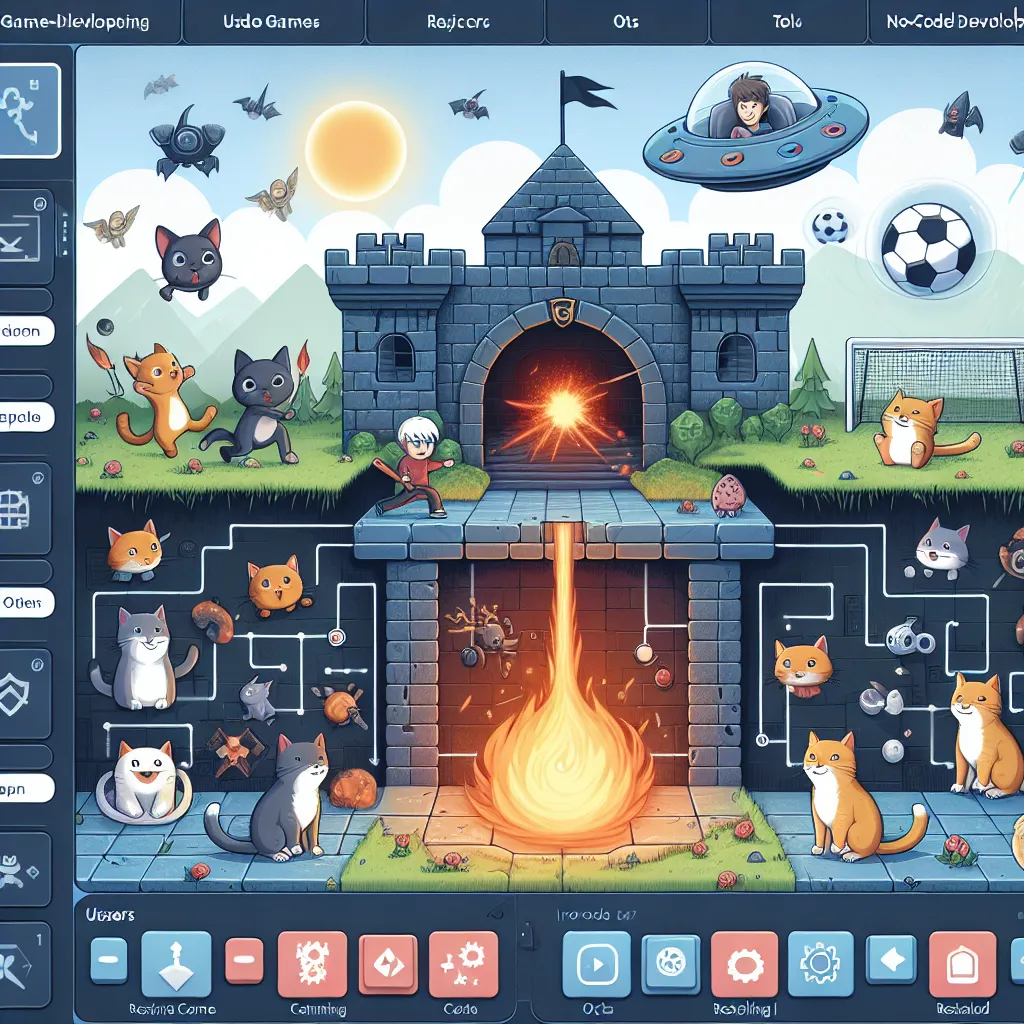
AI can now build websites and apps — but what about playable video games? This platform lets users type prompts like “a 2D dungeon crawler where you shoot fireballs and rescue cats” — and generates a working prototype. Users can tweak it with no-code tools and export to mobile or web. As Roblox, Unity, and AI-native tools grow, there’s massive opportunity in lowering the barrier to game development. For example, a 14-year-old creates a “soccer game where the ball is a UFO.” It’s published in an hour, shared with friends, and gets 12K plays by the weekend.
Description
No additional description provided.
The Pitch
Introducing an innovative platform catering to the growing interest in game development: a solution designed for individuals eager to dive into the world of video game creation without requiring extensive coding skills or technical expertise. This platform empowers users to bring their imaginative game ideas to life through an intuitive, accessible interface.
Backstory The video game industry has seen exponential growth, with platforms like Roblox and Unity enabling a surge of creative expression among diverse age groups. However, the complexity of traditional game development tools often poses a significant barrier for aspiring game creators, particularly those without a programming background. This challenge presents an opportunity to democratize game development by making it more inclusive and accessible.
Problem Many individuals, especially those without technical expertise, face obstacles in turning their creative ideas into playable video games. Current platforms either require extensive coding knowledge or are not optimized for rapid prototyping and deployment. This limits the potential for creative experimentation and sharing among hobbyists and young creators.
Solution The proposed platform bridges this gap by leveraging artificial intelligence to streamline the game development process. Users can input simple text prompts, such as a 2D dungeon crawler where you shoot fireballs and rescue cats, to generate a working game prototype. The platform utilizes no-code tools that allow users to easily customize and refine their creations, reducing the technical barrier and fostering creativity.
Product Details The platform offers a suite of features designed to simplify game development: - AI-Powered Game Generation: Transforms text prompts into functional game prototypes, allowing users to focus on creativity rather than technical execution. - No-Code Customization: Enables users to tweak game elements, such as graphics, mechanics, and storylines, through an intuitive drag-and-drop interface. - Cross-Platform Export: Games can be easily exported to mobile or web formats, facilitating broad distribution and accessibility. - Community Sharing: Users can publish their creations within the platform's community, gaining feedback and fostering collaboration.
Tools for Launching an MVP To rapidly develop and launch a minimum viable product, consider incorporating the following tools and technologies: - AI Frameworks: Utilize platforms like OpenAI or Google's TensorFlow to power the AI-driven game generation feature. - No-Code Development Tools: Implement no-code platforms such as Bubble or Adalo to build the user interface and customization tools. - Cloud Hosting Services: Use services like AWS or Google Cloud to ensure scalability and reliability for game hosting and export capabilities.
Go-to-Market Strategy To successfully enter the market, the following strategy is recommended: - Target Audience Identification: Focus on hobbyists, young creators, and educators interested in interactive learning experiences. - Community Engagement: Foster a community-driven platform through forums, challenges, and collaboration opportunities to encourage user retention and growth. - Partnerships and Collaborations: Partner with educational institutions to incorporate the platform into curricula, and collaborate with popular content creators to increase visibility and credibility.
Business Model The platform can adopt a freemium business model, providing essential features for free while offering premium subscriptions for advanced customization tools, enhanced export options, and priority support. Additionally, a marketplace within the platform can allow users to purchase and sell game assets or templates, creating a new revenue stream.
The proposed platform not only democratizes game development but also taps into the creative potential of diverse users, empowering them to express their ideas through interactive digital experiences.