AI Platform for Real-Time Schizophrenia Monitoring
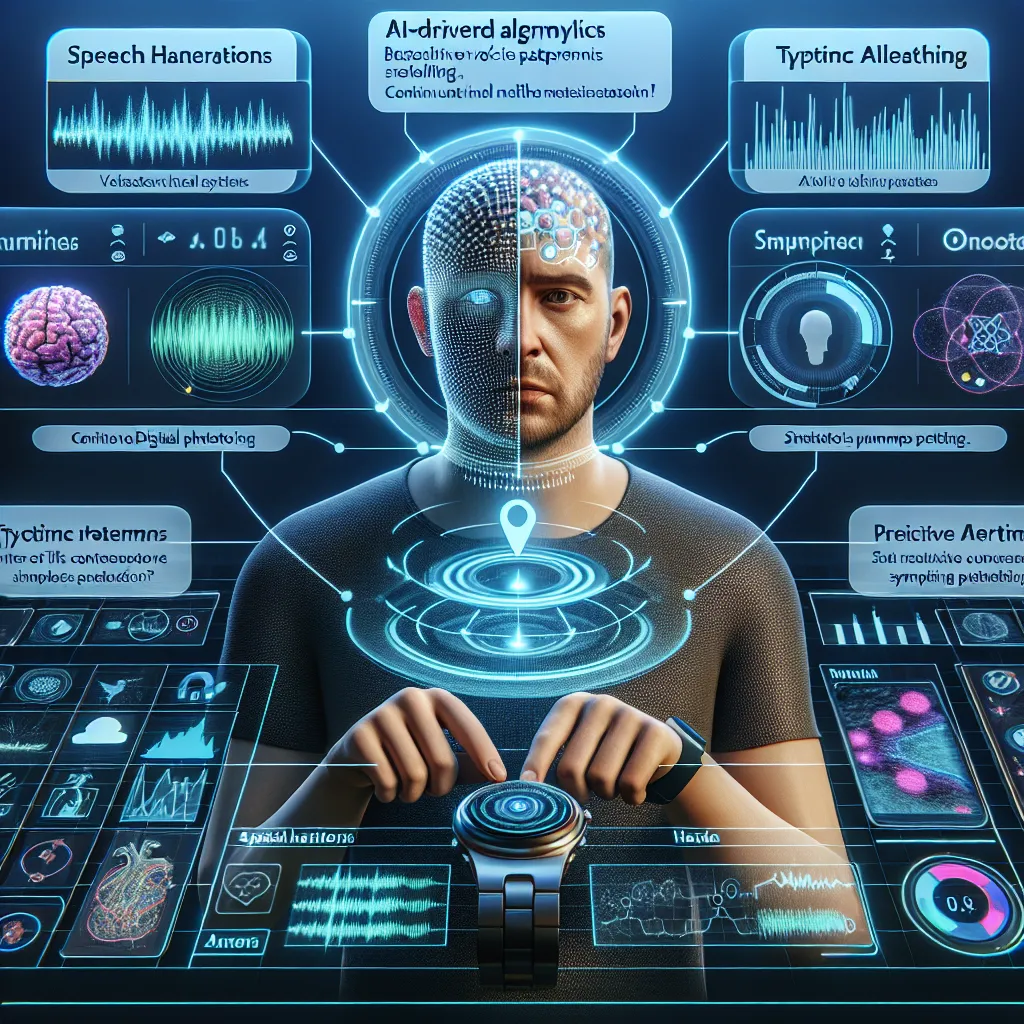
Schizophrenia patients often face irregular care due to infrequent clinical visits and subjective assessments, making it hard to track symptom progression or predict relapse. This startup would offer an AI-driven platform that uses speech, video, typing patterns, and biometric signals to passively monitor patients and quantify symptoms in real-time. With recent advances in multimodal AI and wearable sensors, this kind of precision tracking is now feasible outside the clinic. The mental health industry is shifting toward continuous digital phenotyping—especially as digital biomarkers become more accepted in trials and care. For example, a schizophrenia patient using this system might receive an alert based on voice pattern shifts, triggering a proactive check-in before a psychotic episode, helping reduce ER visits and hospitalizations.
Description
No additional description provided.
The Pitch
Schizophrenia patients often experience inconsistent care mainly due to sporadic clinical consultations and the reliance on subjective evaluations. This inconsistency complicates the tracking of symptom progression and prediction of potential relapses. The need for a more reliable and consistent monitoring system forms the crux of a challenge within the mental health sector.
To address this, we propose an AI-powered platform designed to transform how schizophrenia is monitored and managed. This innovative platform utilizes a combination of speech analysis, video monitoring, typing patterns, and biometric signals to continuously and passively observe patients. The primary goal is to quantify symptoms in real-time, providing a more objective, consistent, and accurate measure of the patient's status.
With recent developments in multimodal artificial intelligence and the growing accessibility of wearable sensors, this type of nuanced and precise tracking is now achievable, even outside a clinical environment. The mental health industry is in the midst of a transformation, gradually shifting towards continuous digital phenotyping. This shift is driven, in part, by the increasing acceptance of digital biomarkers in both clinical trials and everyday care practices.
For instance, consider a schizophrenia patient utilizing this system; subtle shifts in their voice patterns might trigger an alert, prompting a proactive intervention before a potential psychotic episode occurs. This pre-emptive approach has the potential to significantly diminish emergency room visits and hospital admissions, thereby offering a substantial improvement in the quality of care and quality of life for patients.
In terms of development, several tools and technologies can facilitate the creation of such a platform. Key components might include speech recognition APIs, machine learning models for signal processing, and wearable technology for capturing biometric data. Open-source libraries for AI and machine learning, such as TensorFlow or PyTorch, can be utilized to build and train models, while platforms like AWS or Google Cloud can support the infrastructure needed for data processing and storage.
Launching an MVP would involve developing a basic version of the platform that includes essential features such as real-time monitoring and alert systems. Initial deployment might begin with a limited number of users to test and refine the technology. Feedback loops would be critical, allowing developers to adjust and enhance the platform based on user experience and clinical outcomes.
The go-to-market strategy could focus on partnerships with mental health clinics, hospitals, and wearable device manufacturers. Establishing relationships with key stakeholders in the mental health community, including practitioners and patient advocacy groups, would be essential for gaining trust and credibility. Marketing efforts could leverage case studies and early success stories to demonstrate the platform's efficacy and benefits.
The business model might be based on a subscription service for healthcare providers, offering tiered pricing depending on the scale of deployment and features required. This model not only ensures a steady revenue stream but also aligns with the ongoing support and updates needed for the platform.
In summary, this AI-driven initiative offers a promising solution to one of the major challenges faced by schizophrenia patients and their caregivers. By enabling continuous monitoring through advanced technology, it offers a proactive approach to mental health management, holding the potential to transform patient care in significant and meaningful ways.