AI Platform for Predicting Broadway Show Success
Investing in Broadway is risky—most shows lose money, and success is often unpredictable. Producers lack advanced tools to forecast box office results or critical reception before opening night. This platform would use AI to analyze scripts, cast info, and historical data to predict a show’s commercial and critical outcomes. It would score shows on projected gross, review sentiment, and award likelihood. With Broadway hitting record-breaking box office highs, there’s mounting pressure for smarter bets. The trend toward data-driven greenlighting (like in film and TV) hasn’t yet taken hold in theater, creating a clear gap. An example use case: before backing a new musical, a producer runs the script and cast through the tool. The AI predicts strong family appeal and awards buzz, helping them confidently invest—and even tweak marketing and pricing based on AI projections.
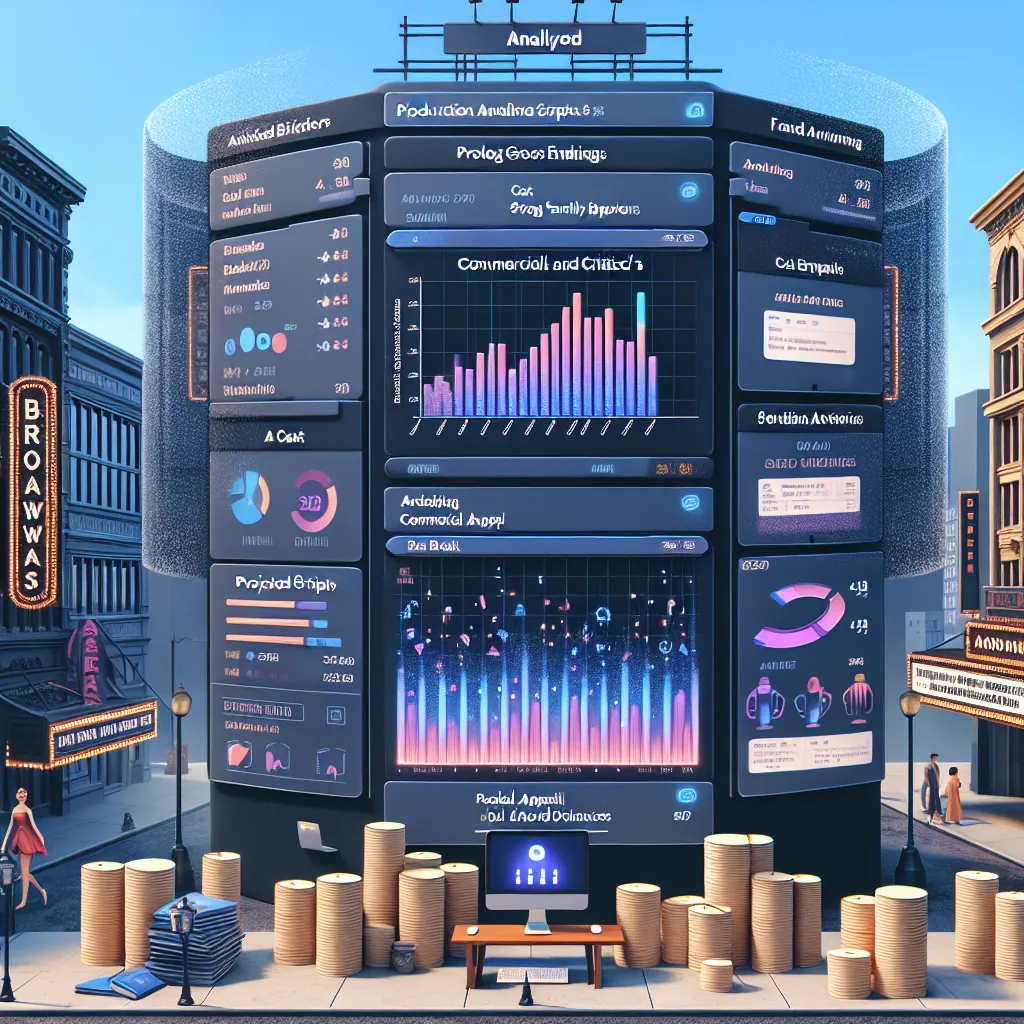
Description
No additional description provided.
The Pitch
Investing in Broadway productions can be a high-stakes endeavor. The nature of theater is such that most shows end up losing money, and the elements that lead to a hit can often feel as much a matter of luck as of design. Without advanced predictive tools, producers are left to make decisions largely on instinct, lacking the ability to forecast box office success or critical reception with any degree of certainty before a show debuts.
This concept addresses the gap by introducing a platform powered by artificial intelligence designed to transform how decisions are made in the theater industry. By analyzing scripts, casting information, and historical show data, the platform will predict and score a show's potential commercial success and critical reception. The predictions will include expected box office gross, likely review sentiments, and chances of receiving awards.
The timing for this innovation is particularly relevant, as Broadway continues to see record-breaking box office numbers. The pressure for producers to make smarter, more data-informed decisions has never been higher. While industries like film and television have begun to embrace data-driven decision-making to greenlight projects, theater has yet to widely adopt this approach, opening a clear opportunity for this platform to set new standards.
Here’s how it could work in practice: A producer considering backing a new musical could input the script and cast data into the platform. The AI would then analyze these elements, compare them to historical data, and offer predictions about the show's potential. For example, the AI might forecast strong appeal among families and suggest a high likelihood of garnering awards attention. Armed with this information, the producer could decide to invest with greater confidence and strategically tweak marketing approaches and pricing strategies to align with the AI's projections.
The successful development and launch of this platform will require a thoughtful approach:
1. **Concept Development**: Start with a thorough market analysis to understand the specific needs of Broadway producers. This will inform the features of the platform, ensuring it provides real value.
2. **Product Development**: Use tools like Python and libraries for natural language processing and machine learning, such as TensorFlow or PyTorch, to build the AI models. Collaborate with data scientists and theater professionals to refine predictive algorithms.
3. **User-Friendly Interface**: Develop a simple, intuitive interface for users to input data and view predictions. Tools like React for frontend development and Django for backend can be beneficial.
4. **Minimum Viable Product (MVP)**: Focus on creating an MVP that includes the core prediction features. This allows for testing in the market and gathering user feedback for improvements.
5. **Go-To-Market Strategy (GTM)**: Leverage networks within the theater community to beta test and demonstrate the platform’s capabilities at industry events or conferences. Build partnerships with key industry players to gain credibility and insights.
6. **Business Model**: Consider a subscription-based model where users pay a monthly or annual fee for access. Offer tiered pricing based on the size and needs of the production company or the number of shows analyzed.
By systematically approaching the development and market introduction of this AI-driven platform, producers can make more informed investment decisions, potentially increasing their chances of success and redefining the economics of Broadway theater.