AI OS: Streamlined SaaS for Essential Metrics
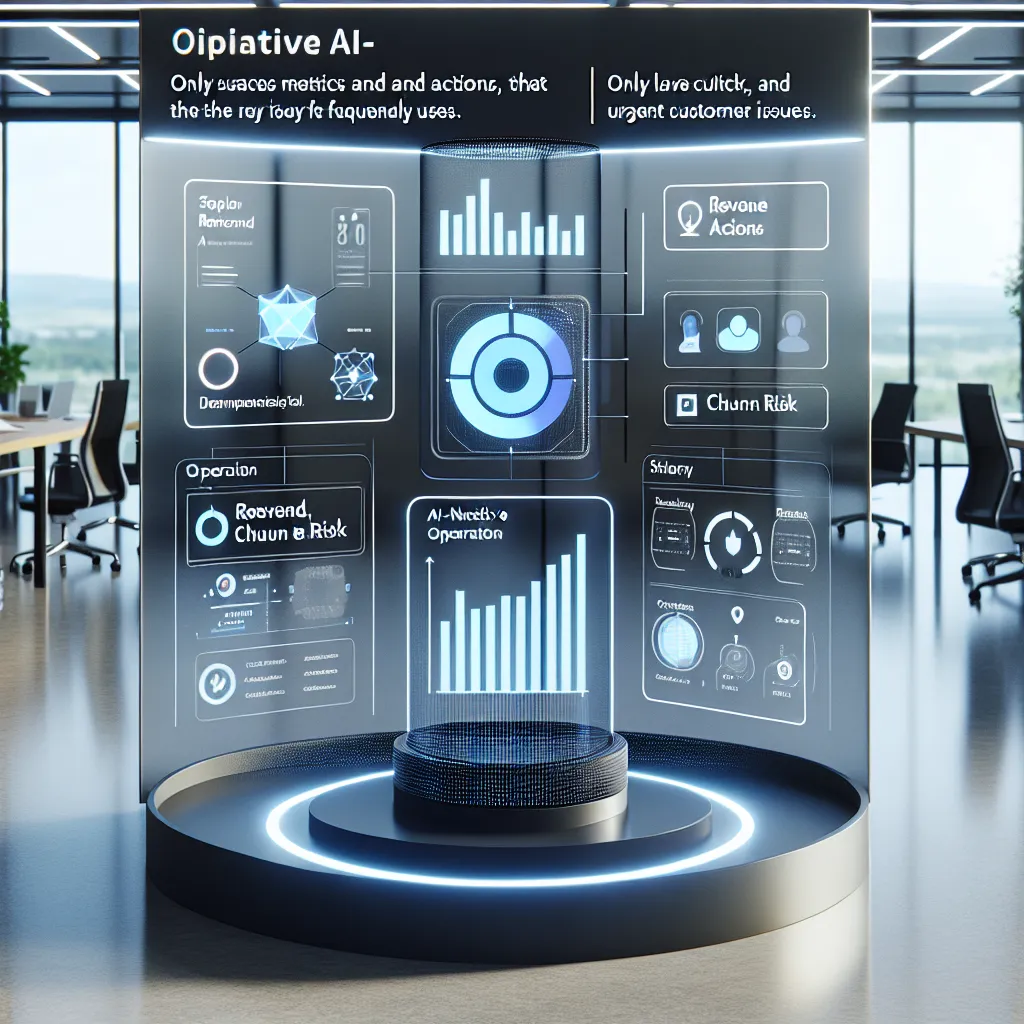
SaaS tools are bloated because they sell features, not outcomes. Most founders use less than 10% of what they pay for, yet must navigate full dashboards designed for mass audiences. The friction isn’t data access — it’s interface overload. Build an AI-native operating system that connects to every tool and surfaces only the metrics and actions you actually use. It learns behavior over time and removes everything else. Why now? AI can perform reads/writes directly to APIs, and users are increasingly comfortable replacing dashboards with chat interfaces. Example: instead of logging into Stripe, HubSpot, and Gmail, you open one interface and say, “Show revenue, churn risk, and urgent customer issues.” The system responds with exactly that — nothing more.
Description
No additional description provided.
The Pitch
In the rapidly evolving landscape of SaaS, users often find themselves overwhelmed by the sheer volume of features presented to them. These tools are designed for mass appeal, resulting in complex dashboards filled with metrics that most users do not need. Despite paying a premium for these features, founders often utilize only a fraction of what is available, leading to inefficiencies and distractions. As AI technology progresses, there is a unique opportunity to redefine how businesses interact with their software and transform the user experience.
### Problem
The core issue is feature overload in SaaS tools. While these platforms are designed to be comprehensive, they often prioritize breadth over usability. This creates a cumbersome experience for users who must sift through unnecessary data and options to find what truly matters for their business. The challenge is not in accessing data but in efficiently interfacing with the tools to extract meaningful insights. This complexity hampers productivity and can lead to decision fatigue as users struggle to manage disparate sources of information.
### Solution
To address this, the concept of an AI-native operating system emerges as a powerful solution. This system would integrate with existing tools and leverage artificial intelligence to provide a streamlined interface that surfaces only the metrics and actions relevant to the user. By learning individual behavior and preferences over time, this operating system can effectively remove distractions and deliver a personalized, efficient user experience. The goal is to replace clunky dashboards with a simplified, outcome-driven interface that users can interact with through natural language.
### Product Details
The proposed product is an AI-driven interface that connects to popular tools such as Stripe, HubSpot, and Gmail. It uses API integrations to perform reads and writes, learning from user behavior to tailor the information displayed. Through a chat-based interaction, users can request specific metrics and actions, such as revenue data, churn risk, or urgent customer issues, without navigating multiple platforms. This results in a seamless experience, where the system anticipates user needs, delivering only pertinent information and recommended actions.
### Tools for MVP Launch
To launch this as a Minimum Viable Product, consider utilizing:
- AI frameworks like OpenAI or GPT for natural language processing capabilities. - Popular integration platforms such as Zapier or Integromat to connect with existing SaaS tools. - Cloud service providers like AWS or Google Cloud for scalable infrastructure. - User interface development tools such as React or Vue.js to design the chat-based interface.
### Go-To-Market Strategy
For the go-to-market strategy, the focus should be on targeting early adopters who are familiar with AI and looking for efficiency gains:
1. **Identify Niche Markets**: Start with a specific vertical such as tech startups, where productivity and data-driven decisions are crucial. 2. **Leverage Partnerships**: Build relationships with SaaS providers to enhance integrations and co-marketing opportunities. 3. **Offer Freemium Model**: Attract initial users with a basic free version, encouraging them to upgrade for advanced features and customizations. 4. **Content Marketing**: Educate potential users on the benefits of an AI-native operating system through webinars, blogs, and case studies. 5. **Engage Communities**: Participate in forums, online groups, and industry events to raise awareness and gather feedback for continuous improvement.
### Business Model
The business model can be built around a subscription-based pricing structure, offering tiered packages to cater to varying levels of need. Considerations include:
- **Basic Tier**: Free access with limited integrations and responsiveness. - **Pro Tier**: Paid access with enhanced customization, priority support, and analytics. - **Enterprise Tier**: Tailored solutions with advanced features and dedicated account management.
### Conclusion
This AI-native operating system addresses a significant gap in the market by focusing on outcomes instead of features. It empowers users by minimizing interface overload and enhancing decision-making efficiency. By prioritizing usability and customization, this solution stands to redefine user interactions with SaaS tools, creating a more productive and enjoyable experience.