AI-Native Legal Infrastructure for Agent Accountability
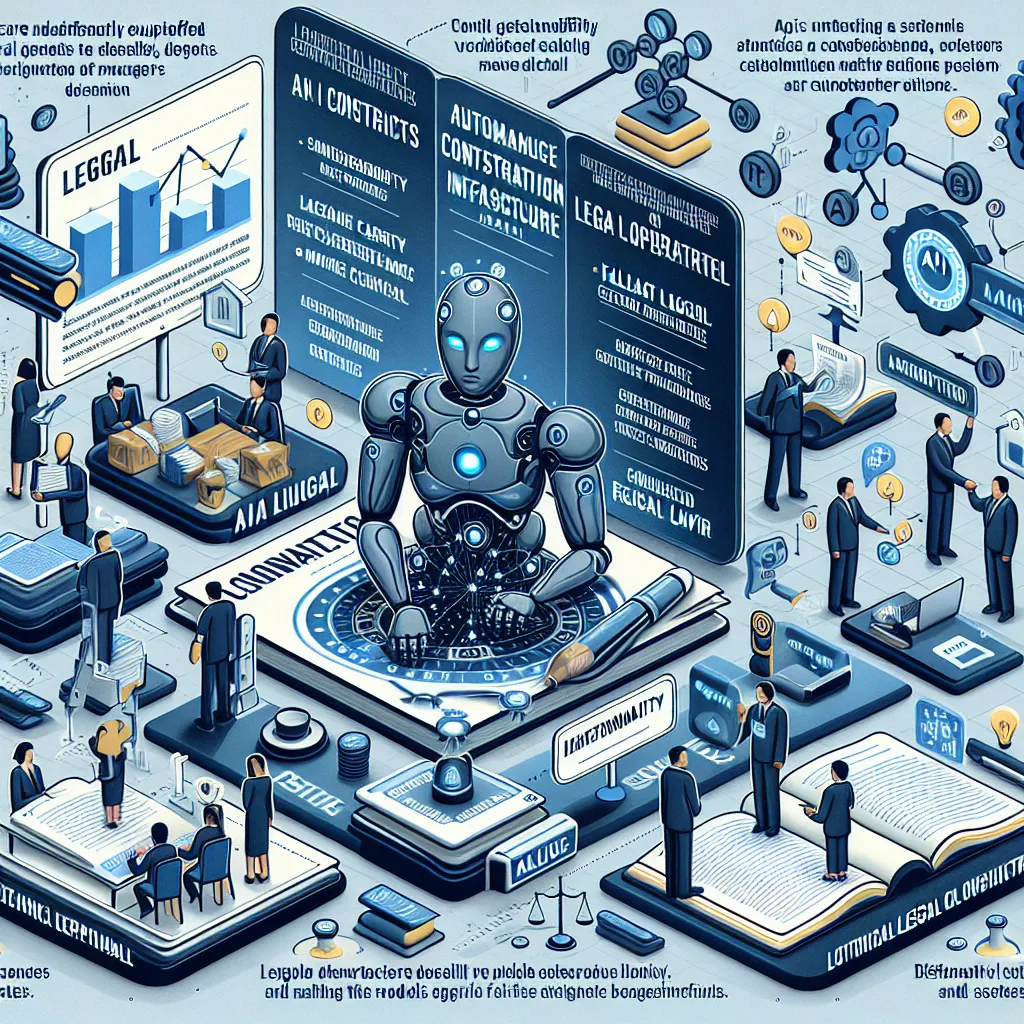
AI-native startups are entering legal grey zones where agents autonomously make decisions, co-create content, negotiate contracts, and handle customer interactions. Current legal stacks (Ironclad, Juro, etc.) assume human-centric workflows and lack the structure to log, audit, or contractually define agent behavior. This opens liability gaps around IP ownership, compliance, and decision traceability. A legal infrastructure platform tailored to AI-native businesses fills this void. It generates contracts with agent-specific clauses, tracks agent decision logs for legal defense, and creates dashboards for model responsibility, fallback logic, and regulatory triggers. It’s part contract generation engine, part audit trail system, part governance layer. Imagine a startup where agents manage customer refunds or sales emails—this platform ensures legal clarity and defensibility in every action taken. No current legal ops platform is built for the post-agent future—and the market will explode as agent startups scale.
Description
No additional description provided.
The Pitch
In recent years, the rise of AI-native startups has begun to reshape traditional business operations. These forward-thinking companies leverage autonomous agents to perform tasks that were once exclusively managed by humans. While this evolution presents numerous opportunities for efficiency and innovation, it also engenders significant legal complexities. The existing legal frameworks and tools, like those offered by companies such as Ironclad and Juro, are designed for human-centric workflows and are not equipped to handle the intricacies of AI-driven operations. This landscape creates gaps in liability, compliance, and accountability, highlighting an urgent need for a new legal infrastructure.
The Problem
As AI-native startups scale, they face legal grey zones where autonomous agents undertake activities such as content creation, contract negotiation, and customer interaction without direct human oversight. These scenarios raise critical legal questions:
- How can IP ownership be clearly defined when content is co-created by AI and humans? - What mechanisms exist to ensure compliance when agents autonomously make decisions? - How can companies maintain decision traceability for defense against potential legal challenges?
Existing legal operations platforms fall short in these areas, as they lack the nuances required to log, audit, or contractually define the actions and responsibilities of AI agents. This deficiency exposes companies to risks around intellectual property rights, regulatory compliance, and decision accountability.
The Solution
To address these challenges, there is a need for a dedicated legal infrastructure platform tailored to AI-native businesses. This platform should encompass the following features:
1. Contract Generation Engine: Develop AI-specific clauses that outline the roles and responsibilities of agents within contracts. This ensures clarity around IP ownership and agent liabilities.
2. Audit Trail System: Implement a comprehensive logging mechanism to record agent decisions and activities. This feature provides a clear trail for legal defense and accountability.
3. Governance Layer: Create dashboards to monitor model responsibilities, fallback logic, and regulatory triggers. This component helps businesses maintain oversight over their AI operations, ensuring compliance with evolving regulations.
Product Details
The product can be envisioned as a combination of a contract generation tool, an audit and logging system, and a governance framework. Key functionalities include:
- Dynamic contract templates with customizable AI-specific clauses - Real-time logging of agent interactions and decisions - Dashboards for monitoring compliance, risk management, and regulatory adherence - Integration capabilities with existing business systems for streamlined operations
Tools for MVP Launch
1. No-code and low-code platforms (e.g., Bubble, OutSystems) to rapidly develop the product interface and user experience. 2. Legal tech APIs to integrate contract generation and modification features. 3. Cloud services (e.g., AWS, Azure) for scalable logging and data storage. 4. Collaboration tools like Slack and Microsoft Teams for seamless team coordination and communication.
GTM Strategy
1. Target Early Adopters: Engage with AI-native startups in tech hubs and incubators. Offer pilot programs to glean insights and iterate on the product based on user feedback.
2. Strategic Partnerships: Collaborate with legal firms focusing on technology law and AI ethics. Build alliances that enhance credibility and market reach.
3. Educational Campaigns: Host webinars, workshops, and publish thought leadership content to educate the market about the legal implications of AI in business.
4. Community Building: Create forums and online communities where companies can share experiences and strategies for integrating AI responsibly and legally.
Business Model
The platform can adopt a subscription-based revenue model, providing tiered pricing based on the size of the startup and the complexity of its AI operations. Additional revenue streams could include:
- Consulting services for custom AI contract generation - Premium features such as advanced analytics and reporting tools - Workshops and training programs focusing on AI governance and compliance
In conclusion, as AI continues to transform the business landscape, the need for a legal infrastructure tailored to AI-native startups becomes critical. By addressing the current gaps in legal operations, this platform not only mitigates risks but also empowers companies to harness the full potential of AI with confidence and legal clarity.