AI Memory Coach for ADHD and Executive Dysfunction
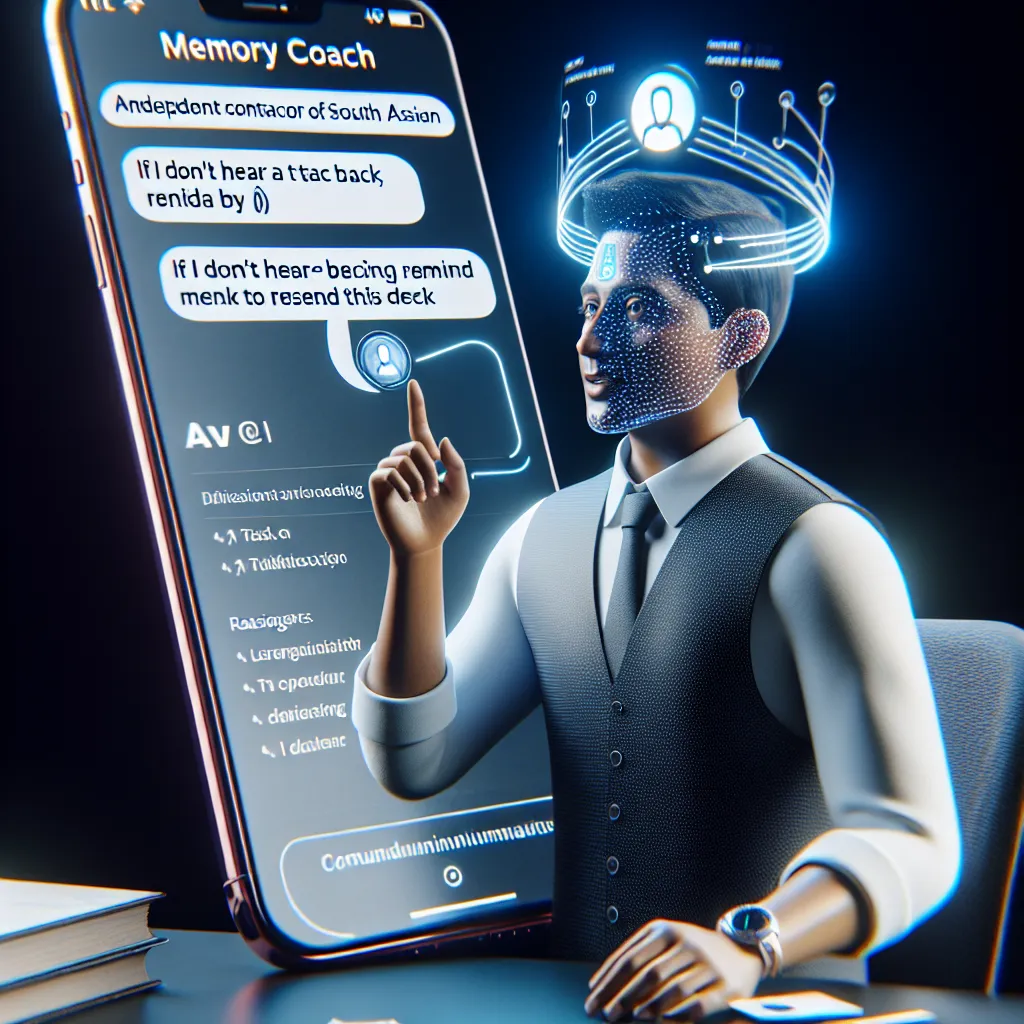
People with ADHD or executive dysfunction often struggle with follow-through—forgetting tasks, losing context, or missing key deadlines. To-do lists aren’t enough. This startup is an always-on AI memory coach that listens to your voice notes, messages, and calendar events, and proactively reminds you—not just with alerts, but with reasoning: “You told yourself on Thursday that if the client didn’t reply by Monday, you’d follow up. It’s Monday.” Built as a wearable or assistant app, it leans on the trend of agentic AI and neurodiverse tech. An independent contractor might say into their phone, “If I don’t hear back by Friday, remind me to resend this deck.” The coach logs it and checks in—not based on due dates, but on intent. It’s externalized executive function for those who need it.
Description
No additional description provided.
The Pitch
Individuals dealing with ADHD or executive dysfunction often face significant challenges in maintaining focus and completing tasks. They can easily forget important activities, lose the context of conversations or plans, and miss critical deadlines. Traditional to-do lists and reminders often fall short in addressing these issues as they typically provide simplistic notifications without deeper context or reasoning.
This concept introduces an innovative solution: an AI-driven memory coach designed to assist individuals in managing these challenges effectively. The platform works by integrating with users' voice notes, messages, and calendar events. It actively listens and learns from these inputs to provide timely and context-rich reminders. For instance, if a user notes on a Thursday that they will follow up with a client on Monday if they haven't heard back, the AI memory coach will remind them with precise reasoning: “You mentioned on Thursday that if the client didn’t reply by Monday, you’d follow up. It’s now Monday.”
This AI memory coach could be developed as a wearable device or an assistant app. It aligns with the growing trends of agentic AI and technology that supports neurodiversity by offering customized support based on individual needs. For example, an independent contractor might verbally instruct their device, “If I don’t hear back by Friday, remind me to resend this deck.” The coach logs this intent and provides reminders not based just on pre-set dates, but on the user's expressed intentions, effectively acting as an externalized executive function.
To build this AI memory coach, a variety of tools and technologies can be leveraged to create a minimal viable product that addresses core functionalities:
1. **Voice Recognition and Processing Technology**: Utilizing services like Google Cloud Speech-to-Text or Amazon Transcribe can facilitate accurate voice input interpretation.
2. **Natural Language Processing (NLP)**: Tools such as Microsoft’s LUIS or OpenAI’s models can help in understanding user intent and context accurately.
3. **Calendar and Task Integration**: APIs like Google Calendar API or the Microsoft Graph API can be used to integrate calendar events and tasks efficiently.
4. **Mobile and Wearable Development Platforms**: Using React Native for cross-platform mobile app development or leveraging platforms like Wear OS for wearable device integration.
5. **Agentic AI Technology**: Incorporating AI models that learn and adapt to users’ habits and preferences over time.
For the go-to-market strategy, the focus could be on targeting communities of individuals with ADHD or executive dysfunction, as well as professionals who can benefit from enhanced task management. Collaborations with mental health professionals and neurodiversity advocates could also facilitate product traction and adoption.
The business model could involve a subscription-based approach, offering tiered pricing based on features such as additional customization options, more advanced analytics on task management, or integrations with other productivity tools. A freemium model could also be effective, offering basic functionalities for free with the ability to pay for premium features.
In conclusion, the AI memory coach aims to provide a tailored, context-aware solution for individuals who need assistance in managing daily tasks and responsibilities effectively. By leveraging cutting-edge technologies and aligning with current market trends, this innovation has the potential to offer significant support to individuals navigating the complexities of ADHD and executive dysfunction.