AI-Managed Fractional Ownership for Shared Assets
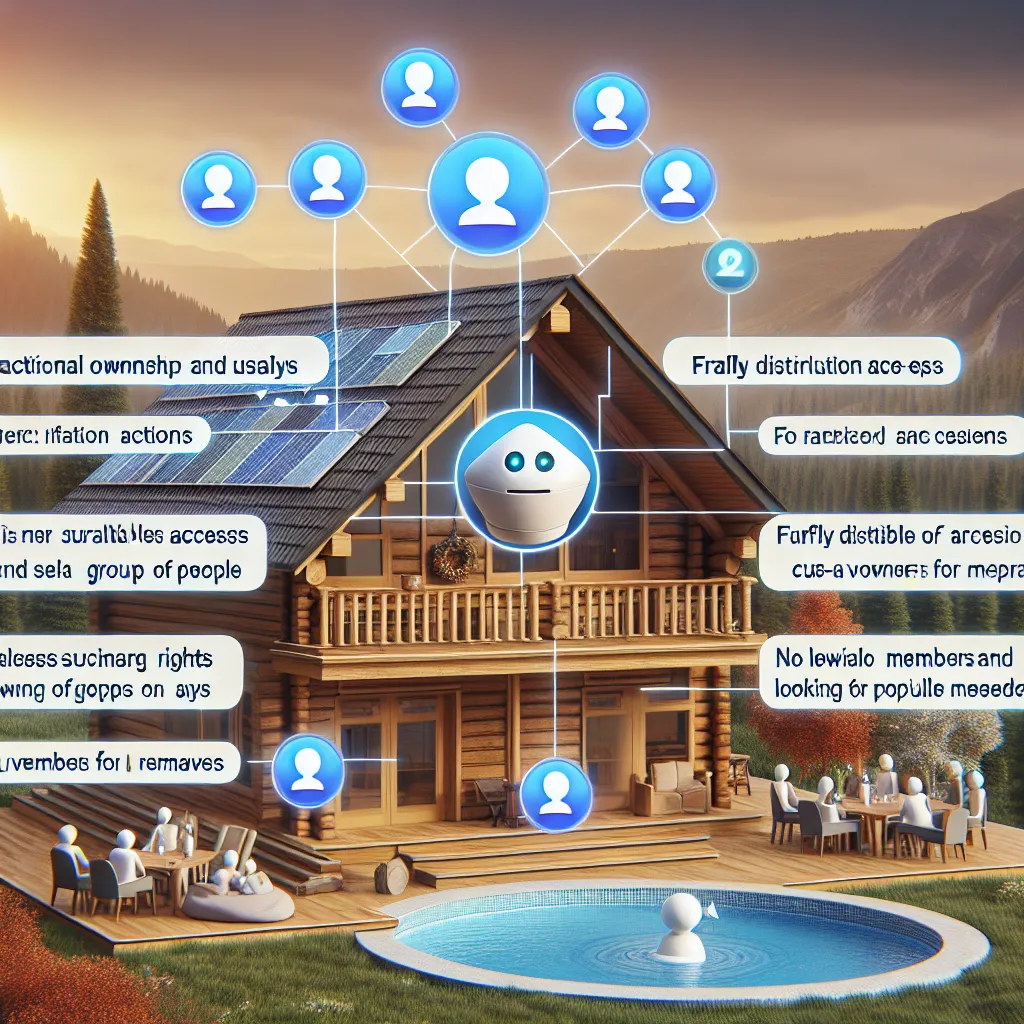
Access to assets like vacation homes, boats, or even electric vehicles is limited to the wealthy, while ownership models like timeshares are outdated and inefficient. This idea uses AI to manage fractional ownership and usage rights across groups of people. The system handles scheduling, payments, maintenance, conflict resolution, and resale—all transparently. Imagine a group of 12 families co-owning a cabin: the AI ensures fair access during holidays, notifies members when repairs are needed, and finds buyers if someone wants out. It enables a scalable, trustless way to co-own anything—without needing a lawyer or property manager.
Description
No additional description provided.
The Pitch
In today's world, access to assets like vacation homes, boats, or electric vehicles often remains exclusive to the wealthy. Traditional ownership models, such as timeshares, have become outdated and inefficient. This document presents an innovative approach that utilizes artificial intelligence to manage fractional ownership and usage rights across groups of individuals seamlessly and transparently.
Backstory: Historically, the idea of shared ownership has been fraught with complexities, including managing schedules, handling payments, coordinating maintenance, and resolving conflicts. Traditional models, like timeshares, often come with hidden fees, lack of transparency, and limited flexibility, deterring many from such investments. This stems from cumbersome management processes and the requirement for intermediaries like lawyers and property managers. The advent of artificial intelligence and blockchain technology presents a unique opportunity to redefine fractional ownership, making it more accessible, efficient, and fair.
Problem: The current models of asset ownership have several inherent problems: - Restricted access: High-value assets remain out of reach for the average consumer. - Inefficient management: Scheduling, maintenance, and conflict resolution are manually intensive and prone to errors. - Lack of transparency: Opaque processes erode trust among co-owners. - Inflexibility: Traditional models do not adapt well to individual needs and lifestyle changes.
Solution: Introducing an AI-driven platform that enables and manages fractional asset ownership. The system will: - Automate scheduling to ensure equitable access for all co-owners. - Manage payments and financial transactions seamlessly. - Notify owners about required maintenance and automate service bookings. - Resolve conflicts through predefined smart contracts. - Facilitate the resale process if a co-owner wishes to exit.
Product Details: The proposed platform will feature: - AI algorithms for optimizing scheduling based on user preferences and historical data. - Secure payment gateway integrated with blockchain for transparent transactions. - Maintenance and service management module with reminders and automated bookings. - Conflict resolution system utilizing AI-mediated negotiation and smart contracts. - Marketplace for fractional ownership shares, allowing easy entry and exit.
Tools for MVP Launch: To bring this idea to life as a Minimum Viable Product (MVP), consider the following tools and technologies: - AI Scheduling Algorithms: Utilize tools like Google's OR-Tools or Microsoft Azure Machine Learning. - Blockchain for Transactions: Platforms like Ethereum or Hyperledger can ensure transparent and secure financial dealings. - Payment Gateways: Integrate with services like Stripe or PayPal for handling transactions. - Cloud Infrastructure: Use AWS, Google Cloud, or Microsoft Azure for scalable hosting solutions.
Go-To-Market (GTM) Strategy: 1. Identify Target Market: Initially focus on tech-savvy millennials and young professionals seeking alternative investment options. 2. Partnerships: Collaborate with real estate agencies, electric vehicle manufacturers, and boat dealers to facilitate inventory. 3. Marketing Campaigns: Employ digital marketing strategies utilizing social media, influencers, and content marketing to drive awareness and adoption. 4. Pilot Programs: Launch pilot projects with selected asset classes to build credibility and enhance the product through user feedback.
Business Model: 1. Subscription Fee: Charge a monthly or annual subscription for access to the platform's services. 2. Transaction Fees: Collect a percentage from each transaction, including sales, maintenance, and service bookings. 3. Premium Features: Offer optional premium features such as advanced scheduling, exclusive listings, and enhanced customer support for an additional fee.
Conclusion: By leveraging technology, this innovative platform will democratize access to high-value assets, offering a scalable and trustless way to co-own properties and vehicles. It eliminates the need for intermediaries, making the process more transparent, efficient, and accessible to a broader audience. Through strategic partnerships and targeted marketing, this venture has the potential to revolutionize how assets are owned and enjoyed in the modern era.