AI Legacy: Interactive Memory Companion Platform
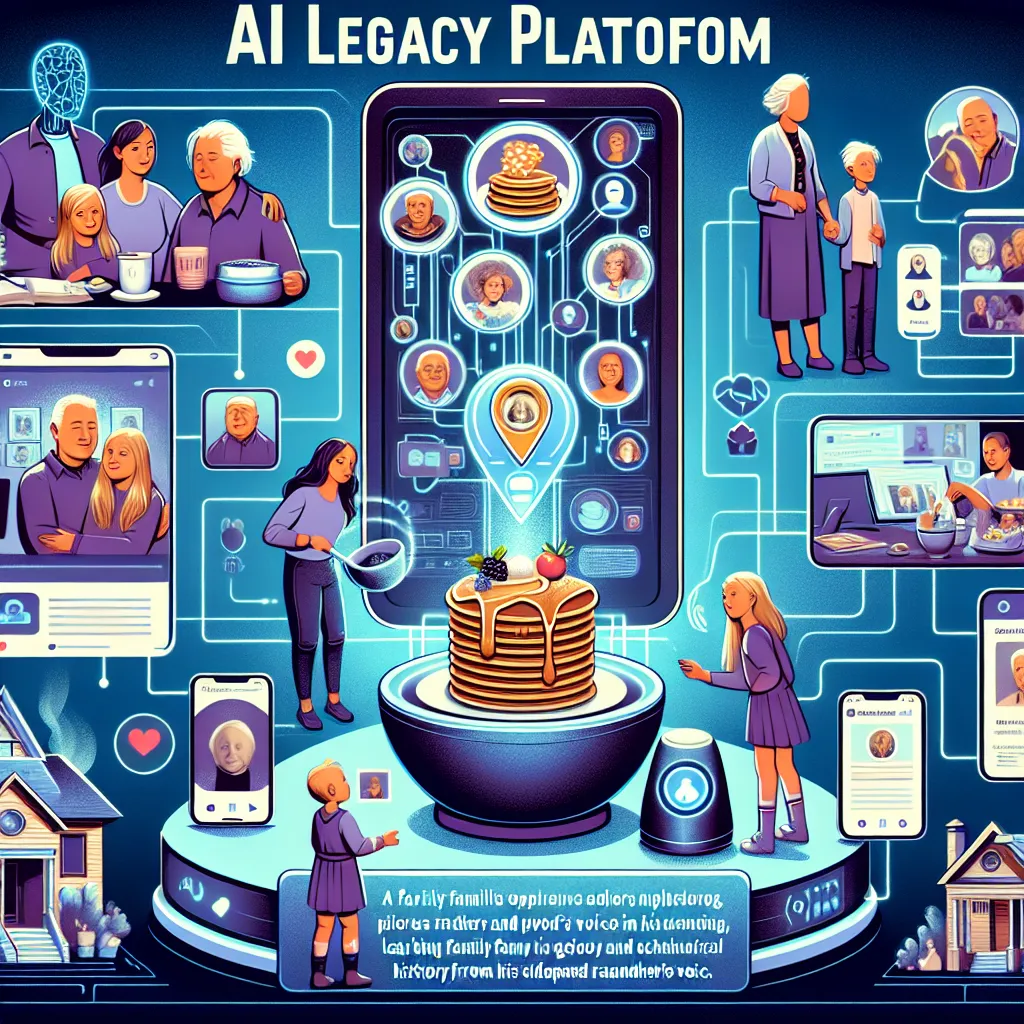
Grief is a billion-dollar industry, yet most products still revolve around flowers, urns, and paperwork. What people actually lose is the voice, stories, humor, and ability to ask one more question. Build an AI legacy platform where families upload photos, videos, texts, and voice notes to create an interactive memory companion of a loved one. A daughter could hear her late father explain his pancake recipe. A grandson could ask grandma about family history in her own voice. The timing works because AI voice cloning is real, consumers already talk to AI daily, and no major Western company owns this space yet. Funeral homes, hospice providers, ancestry brands, and estate planners become natural distribution. This needs to exist because grief doesn’t end after the funeral. It returns years later in quiet moments when someone simply wants to hear a voice again.
Description
No additional description provided.
The Pitch
In an industry often overshadowed by traditional offerings like flowers and urns, innovative solutions for preserving memories and legacies have yet to make a significant impact. The true essence of what many people yearn for during times of loss is not another tangible memorial, but rather the intangible presence of a loved one’s voice, stories, humor, and wisdom. In today's tech-centric world, there is an opportunity to redefine how we remember our loved ones by creating an AI-powered legacy platform.
The problem many face during grief is the absence of ongoing connection with those who have passed. Over time, we forget the sound of our loved ones’ laughter, their anecdotes, and even their everyday life tips. Traditional methods of memory preservation lack interactivity and fail to adapt to the evolving ways people engage with digital media.
To address this gap, the creation of an AI-focused legacy platform is proposed. This platform would enable families to upload various media formats such as photos, videos, texts, and voice notes. These would then be transformed by AI technology into an interactive memory companion that allows users to engage with their loved ones in dynamic ways. Imagine a daughter asking her deceased father to recount his famous pancake recipe, or a grandson inquiring about family history in his grandmother’s own voice.
The timing is optimal for such a venture due to recent advancements in AI technology, including sophisticated AI voice cloning and widespread consumer familiarity with AI interactions. Furthermore, no major Western company has yet seized this opportunity, leaving a significant opening in the market.
Product details would involve a user-friendly platform where media can be easily uploaded and organized. The platform would utilize AI to synthesize this data into interactive experiences with personalized voice responses. Tools and technologies such as natural language processing, AI voice synthesis, and cloud storage solutions would be integrated to ensure seamless functionality.
To launch this as a minimum viable product (MVP), the initial focus would be on core features: straightforward media uploads, basic AI interactions, and user-guided experiences. Partnerships with AI technology providers could streamline development, while utilizing cloud platforms like AWS or Google Cloud would provide scalable storage and processing capabilities.
The go-to-market (GTM) strategy would target partners in funeral services, hospice care, ancestry research, and estate planning, leveraging their existing customer relations to reach potential users. Additionally, digital marketing campaigns could highlight the emotional resonance and innovative nature of the product, aiming to connect with audiences on a personal level.
In terms of business model, this platform could adopt a freemium approach, offering basic functionalities free of charge, while more advanced features such as enhanced AI interaction or personalized content creation could be part of a subscription-based service. Custom packages for partnerships with professionals and industries related to memory and legacy services could also be an avenue for revenue.
Ultimately, this platform would aim to provide comfort and continued connection for those in mourning. By integrating AI technology into the process of remembering, it acknowledges that grief doesn’t conclude with a funeral—it reemerges in quiet, unexpected moments when individuals long for the voice and presence of someone they cherish.