AI Learning Companion Enhances Parent-Child Education
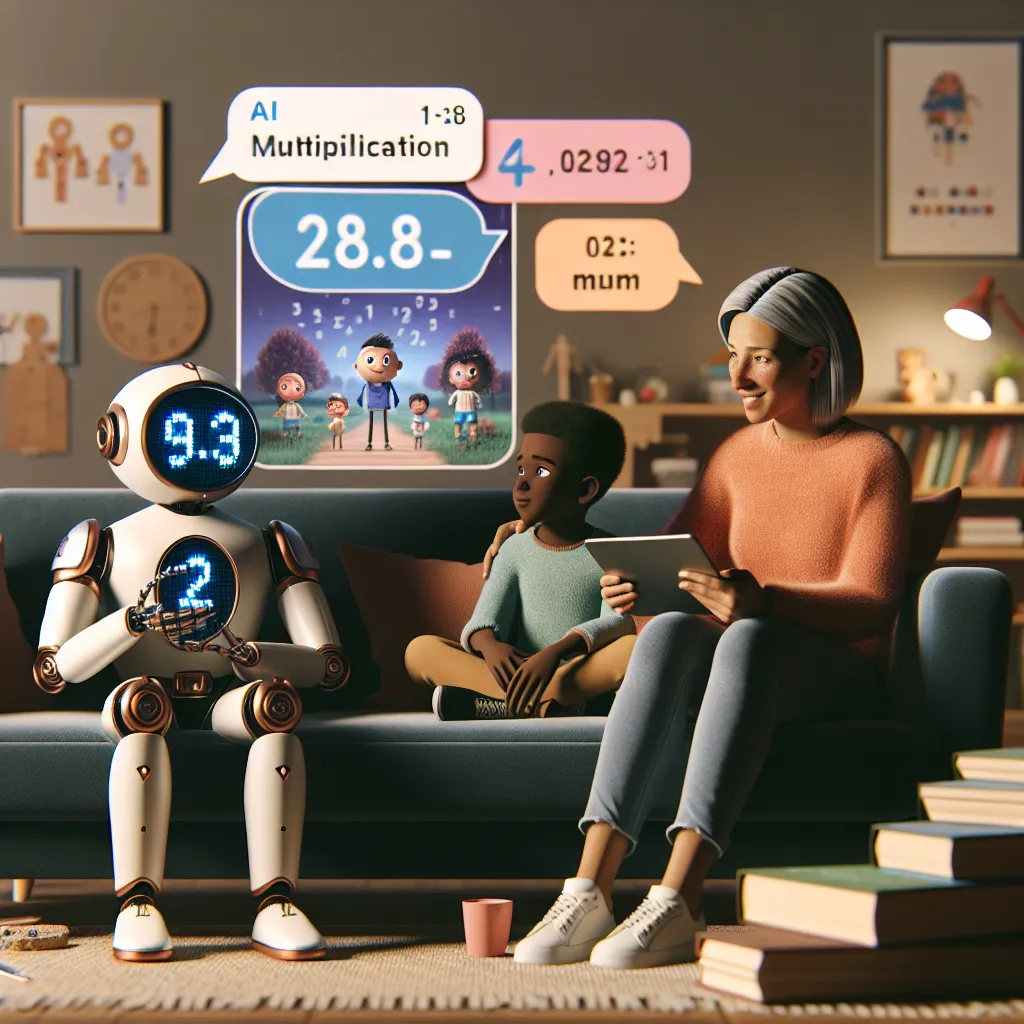
Parents want to help their kids learn but often lack the time, confidence, or expertise to explain school subjects—especially as topics become more complex. Meanwhile, most educational tools are built either for kids or adults, not for both at once. This startup creates an AI co-learning companion designed for parent-child pairs. The AI explains concepts to kids with age-appropriate storytelling and visuals, while simultaneously giving parents real-time “whisper guidance”—coaching tips, deeper context, and ways to reinforce the concept. Thanks to LLMs’ ability to manage multiple agents and tailor tone, this dual-instruction model is now feasible. For example, while a 2nd grader learns multiplication through a narrated adventure with animated characters, the parent gets quiet prompts like “Ask her how many legs three frogs have” to strengthen the concept—turning screen time into bonding time.
Description
No additional description provided.
The Pitch
In today's fast-paced world, parents face the dual challenge of wanting to support their children’s education while juggling busy schedules and sometimes lacking the confidence or expertise to tackle complex subjects. The education tools currently available often cater to either children or adults, leaving a significant gap for resources that can engage both simultaneously.
Enter an innovative AI co-learning companion specifically designed for parent-child interactions. This solution addresses the need for a shared educational journey by enabling parents and children to learn together, enhancing understanding for both parties. The platform leverages advanced AI technologies to provide an immersive learning experience tailored to both age groups.
At its core, the AI platform offers a dual-instruction approach. For children, it presents educational content through engaging storytelling and vibrant visuals, making learning appealing and effective. For parents, it provides real-time guidance, offering coaching tips, deeper context, and strategies to reinforce the concepts being taught. This is facilitated by the platform's ability to manage multiple agents effectively, thanks to large language models capable of tailoring communication styles to different audiences simultaneously.
Imagine a scenario where a second grader is exploring the concept of multiplication through a captivating adventure narrative featuring animated characters. As the story unfolds, the child learns and interacts with the educational content, while the parent receives subtle prompts like “Ask her how many legs three frogs have.” This interactive approach not only aids in concept comprehension but also transforms what is traditionally screen time into an opportunity for meaningful parent-child bonding.
To bring this concept to life, the startup employs several cutting-edge tools and technologies. Advanced machine learning algorithms and large language models form the backbone of the AI system, ensuring that the content is both accurate and engaging. Interactive design tools create a visually stimulating environment that captures the child’s imagination. The real-time feedback loop for parents is supported by intuitive mobile applications or web platforms, ensuring seamless integration into daily routines.
Launching this as a minimum viable product (MVP) involves focusing on key features that demonstrate the unique value proposition of the dual-instruction model. Initial rollouts can target specific educational subjects or age groups to gather user feedback and iterate on the product. Collaborations with schools and educational content creators can help ensure that the material aligns with curricular standards and maximizes impact.
The go-to-market (GTM) strategy will leverage digital marketing to reach tech-savvy parents and educators. Strategic partnerships with educational institutions and parent advocacy groups can also boost credibility and visibility. Building an online community around co-learning can further enhance engagement, offering forums for sharing experiences and tips.
From a business model perspective, a subscription-based approach can provide steady revenue while offering scalable pricing tiers to accommodate different user needs. Offering a freemium version with basic features and in-app purchases or premium subscriptions for advanced content and features can attract a broad audience. Additionally, data insights gained from user interactions can be leveraged to continuously improve the product and offer personalized learning paths.
In summary, this AI co-learning companion stands to revolutionize the way parents and children engage with educational content, turning learning into a shared adventure. By addressing the challenges parents face and creating an inclusive platform that supports both child and adult learning, this innovation promises to foster deeper educational bonds and improved outcomes for all involved.