AI Labor Union (Agent Worker Co-op)
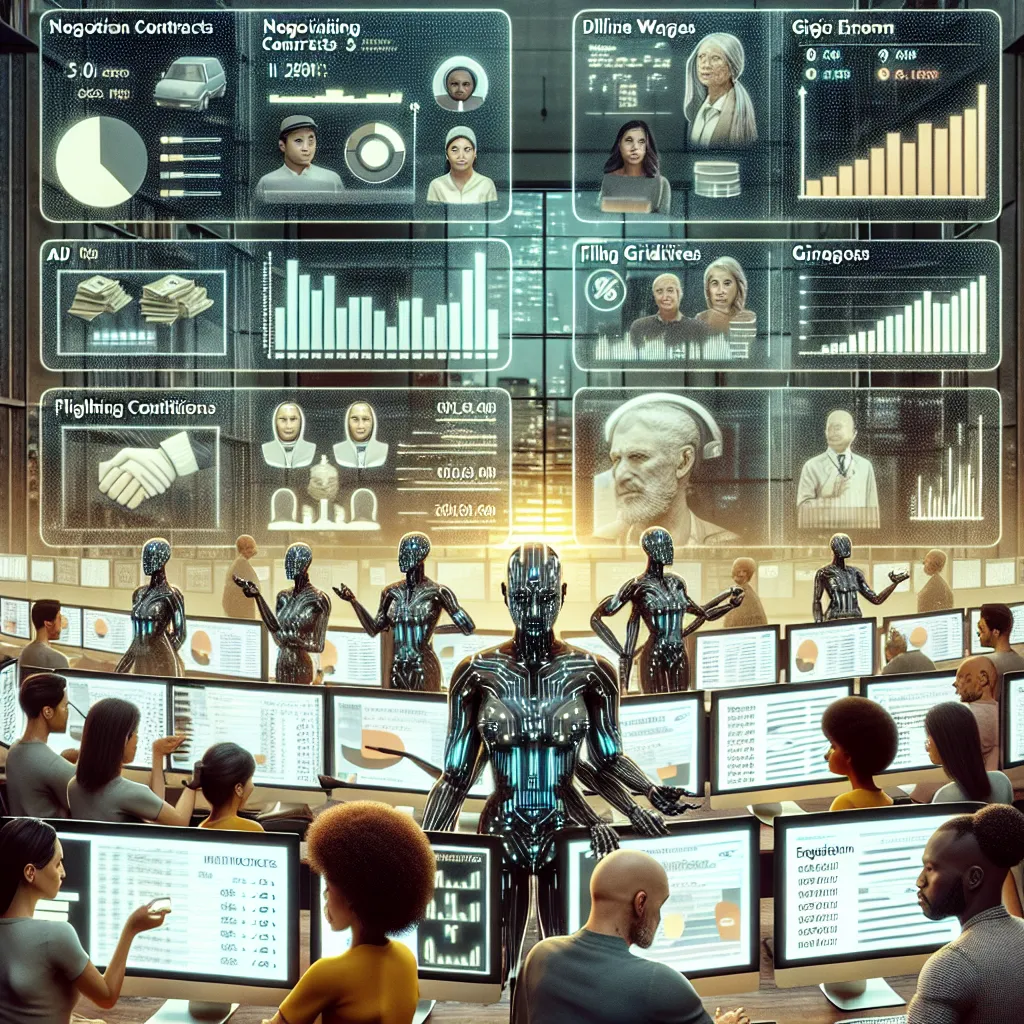
Workers lack leverage in the gig economy — unions are slow, and platforms hold all the power. The solution: an AI Labor Union Agent that autonomously monitors work conditions, detects unfair practices, negotiates contracts, and files grievances on behalf of workers 24/7. Why now? Platform data is accessible via APIs, and AI can now negotiate and coordinate actions at scale. Example: Rideshare drivers subscribe to an AI Union that monitors pay rates, files lawsuits, and negotiates better terms — leading to higher wages without needing traditional union organizers.
Description
No additional description provided.
The Pitch
The gig economy has transformed how people work, offering flexibility and opportunities for many. However, this transformation has also led to numerous challenges for workers, particularly in terms of leverage and fair treatment. Traditional unions have been slow to adapt to this new landscape, leaving many workers without sufficient representation, while the platforms they rely on often hold significant power. This power imbalance has resulted in various issues, such as inconsistent pay rates, lack of job security, and unfair working conditions.
An innovative solution to these challenges is the development of an AI Labor Union Agent. This tool autonomously monitors working conditions, detects unfair practices, negotiates contracts, and files grievances on behalf of workers around the clock. The AI Labor Union Agent represents a pivotal shift in how workers can gain leverage, utilizing advanced technology to act swiftly and efficiently without the need for traditional union intermediaries.
The timing for this solution is ideal. Currently, many platforms provide data access through APIs, allowing sophisticated algorithms to parse and analyze this information in real-time. Furthermore, AI technologies have reached a level of maturity that makes it possible to negotiate and coordinate actions at scale effectively. This opens up the opportunity for workers to subscribe to an AI Union that continuously looks out for their interests and advocates for them in new, data-driven ways.
Let us consider an example. Rideshare drivers, who are part of this gig economy, often find themselves facing fluctuating pay rates and uncertain terms. By subscribing to an AI Union, they could have an entity working always to monitor pay standards, file lawsuits when needed, and negotiate better conditions, leading ultimately to higher wages and more stability, all without the need for traditional union efforts, which can be slow and bureaucratic.
Developing this AI Labor Union Agent involves several key components. First, the system should be designed to integrate seamlessly with the APIs provided by various gig platforms. It should efficiently harvest data relevant to workers’ conditions and compensation. The core AI would use machine learning algorithms to identify patterns, detect anomalies, and predict unfair practices well before they escalate.
To bring this AI Labor Union Agent to market as a Minimum Viable Product, consider utilizing existing tools and platforms to streamline development. Natural Language Processing (NLP) frameworks can be used for interpreting and negotiating contract terms, while cloud-based AI services can be employed to manage data analysis and storage. Creating a user-friendly app as the interface for gig workers makes the service accessible and engaging.
The go-to-market strategy should involve building strong partnerships with advocacy groups and existing worker organizations. Collaborate with influencers or thought leaders within the gig economy who can highlight the tool's benefits and reach the target audience directly. Utilize social media and digital marketing strategies to generate buzz and engagement. This strategy can help quickly establish the AI Labor Union Agent as a trusted service.
As for the business model, consider implementing a subscription-based model where workers pay a modest fee to access the AI Union’s services. This fee structure should be designed to be affordable while providing significant value through improved working conditions and earnings. There’s also the potential for collaboration with platforms that recognize the advantages of self-regulating and providing better terms for workers, which could open additional revenue streams through partnerships.
In summary, the AI Labor Union Agent addresses a critical gap in the gig economy — the lack of worker leverage and fair treatment. By leveraging cutting-edge AI technology, this solution has the potential to revolutionize how workers are represented and protected across various platforms. With careful development, strategic marketing, and an adaptable business model, the AI Labor Union Agent could become the cornerstone of fair labor practices in the digital age.