AI Janitor: Autonomous SaaS Maintenance and Repair
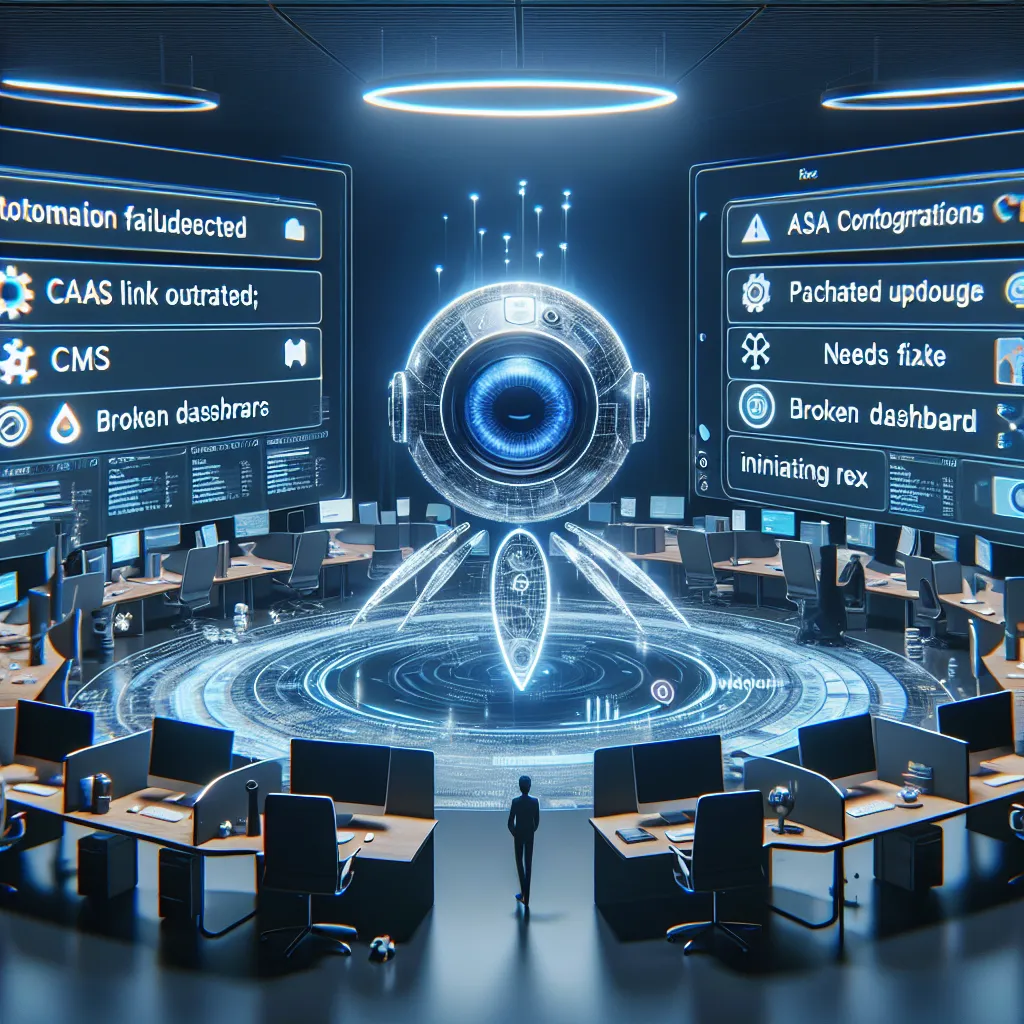
Modern software is powerful but unforgiving—misconfigured dashboards, broken automations, outdated APIs, and hidden bugs can break workflows without anyone noticing. Non-technical users often don’t know something’s wrong until it’s too late. With stabilized infrastructure and always-on agent frameworks, we can now build an autonomous “fix it” layer for SaaS. This startup creates an AI agent that quietly monitors your SaaS stack—Zapier, Airtable, HubSpot, Notion, Webflow, etc.—for anything that’s broken, outdated, or suboptimal. It proactively flags issues like: “This automation has been failing silently for 3 days.” “Your CMS still links to an old product page—it’s costing you clicks.” “This dashboard chart broke after your schema changed—here’s a fixed version.” It can suggest fixes, auto-patch minor issues, or open tickets with explanations. Previously, this level of proactive maintenance was impossible without a dev team constantly debugging your stack. But stabilized infra now makes continuous monitoring, reasoning, and remediation feasible at scale. It’s like having an AI janitor for your digital workspace—always watching, always fixing.
Description
No additional description provided.
The Pitch
In today's fast-paced digital landscape, modern software platforms are indispensable yet often fragile. A single misconfiguration, outdated API, broken automation, or hidden bug can disrupt entire workflows, leading to inefficiencies and lost opportunities. Non-technical users, who rely heavily on these platforms, frequently encounter issues without realizing them until substantial damage is done. The question arises: How can we maintain the health of our digital workflows without dedicating entire teams to vigilance and debugging?
Enter a new solution: an AI-driven agent designed to monitor and maintain your SaaS applications. This solution offers a fresh approach to digital maintenance by introducing an autonomous layer that quietly oversees platforms such as Zapier, Airtable, HubSpot, Notion, and Webflow. This AI agent acts as a sentinel for your software, capable of detecting anything that is broken, outdated, or less than optimal. By identifying issues before they escalate, users are kept informed of problems like:
- Automations that have been failing invisibly over several days. - Outdated links within a CMS that are undermining user engagement and costing clicks. - Broken dashboard charts resulting from schema changes, with accompanying solutions.
This AI-powered system can do more than merely pinpoint problems. It proposes solutions, auto-fixes minor issues, and creates detailed tickets for more complex problems. In the past, such proactive maintenance required a dedicated development team continuously troubleshooting and refining applications. However, thanks to advancements in stable infrastructure, we can now implement continuous monitoring, analysis, and remediation at a large scale. This results in an AI janitor for digital workspaces—persistently observant and ready to act whenever an anomaly is detected.
To develop this innovative solution, one would require the following tools and strategies:
- **Development Tools**: Tools such as Python, TensorFlow, and Node.js for creating AI algorithms capable of monitoring and problem-solving across various SaaS applications. - **Integration Platforms**: Utilize platforms like Zapier and Integromat to facilitate seamless communication between different SaaS applications and the AI agent. - **Cloud Infrastructure**: Services from AWS, Google Cloud, or Azure to host and scale the AI agent efficiently. - **Monitoring Frameworks**: Tools like Prometheus and Grafana to track system health and performance in real time.
For a Minimum Viable Product (MVP), the initial focus should be on a select set of popular SaaS tools, offering basic yet reliable monitoring and straightforward issue resolution capabilities. This MVP should be built in a modular way, allowing easy expansion and integration of additional services and capabilities over time.
The go-to-market (GTM) strategy can involve engaging with small to medium-sized businesses that rely heavily on SaaS tools but lack the technical resources to maintain optimal operations. The marketing focus should highlight the clear value of proactive maintenance and cost savings, emphasizing the peace of mind that comes from having a vigilant AI overseeing digital workflows.
This solution's business model could be structured as a subscription service, offering different pricing tiers based on the number of SaaS applications monitored and the level of service (e.g., basic monitoring vs. advanced problem-solving features). This offers predictable revenue streams and aligns with the subscription-based nature of most SaaS platforms.
In summary, the development of an AI agent for SaaS monitoring addresses a critical need within the tech ecosystem. By leveraging cutting-edge technology to automate and optimize digital workspace maintenance, businesses can focus on their core functions and leave the troubleshooting to an intelligent, automated partner.