AI Incident Ledger for Preemptive Safety Learning
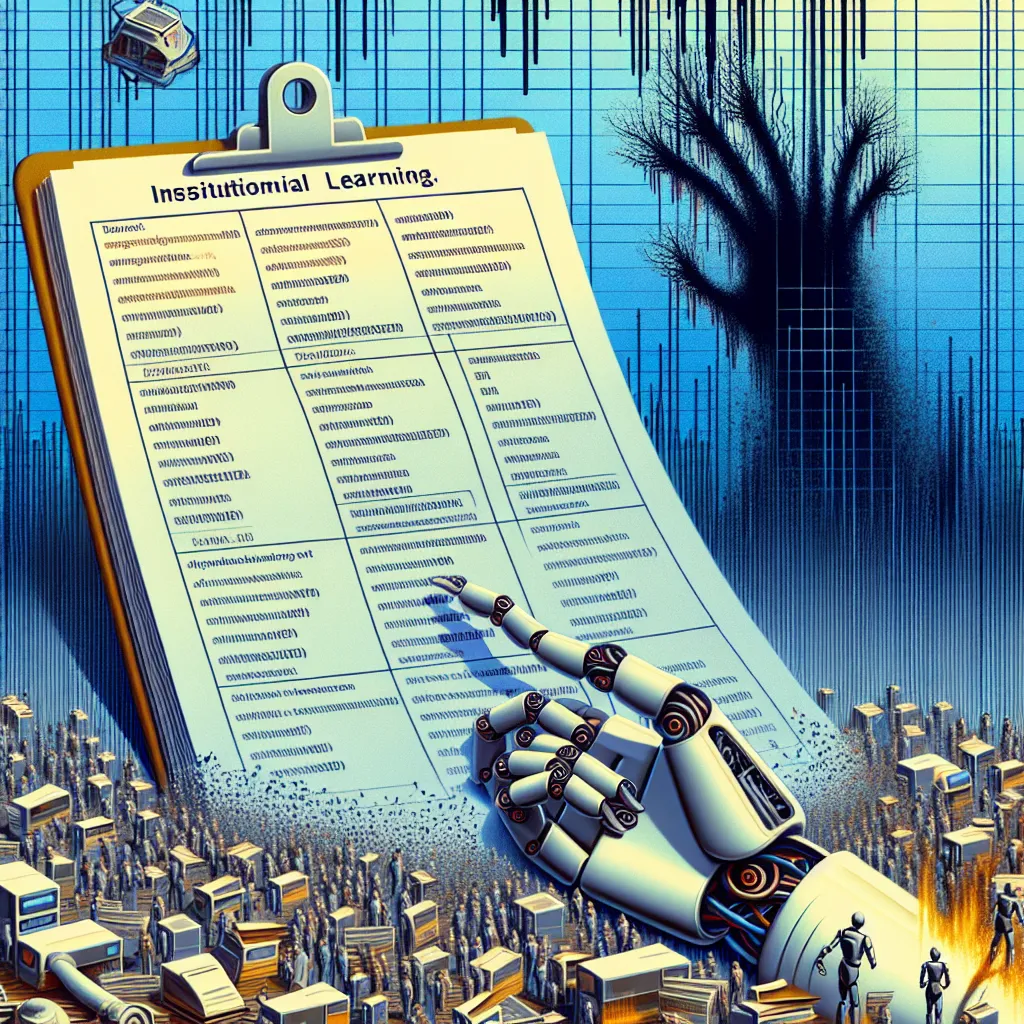
AI failures are already happening—but they’re invisible, fragmented, and quietly buried in postmortems no one reads. This platform creates a shared ledger of AI incidents: hallucinations that caused outages, agents that took irreversible actions, models that behaved unpredictably at scale. Incidents are categorized, anonymized, and scored by severity. Patterns emerge over time. Teams learn not from their own failures, but from everyone else’s. Think less “compliance” and more aviation safety. The uncomfortable truth is that AI adoption is outrunning institutional learning. This company exists because we only get safer systems after disasters—and this is a way to compress that learning curve before something truly catastrophic forces it.
Description
No additional description provided.
The Pitch
As the adoption of artificial intelligence accelerates across industries, the instances of AI-related failures are increasingly coming to light. These failures often remain undocumented, hidden within internal reports or postmortems that rarely gain wider attention. Such incidents, ranging from AI hallucinations causing system outages to models behaving unpredictably at scale, presently lack a centralized repository where organizations can learn from past mistakes and prevent future occurrences.
**The Problem**
AI systems have the potential of transforming industries and enhancing productivity, but their rapid incorporation can bypass essential safety checks and learning mechanisms. Currently, there is no shared platform where AI incidents are recorded, analyzed, and shared across different entities. This lack of collective learning not only leaves individual teams repeating the same mistakes but also increases the risk of significant and avoidable AI disasters.
**The Solution**
To address this pressing issue, the proposed solution is a comprehensive platform that serves as a shared ledger for AI incidents. The platform will document occurrences including AI hallucinations, unintended agent actions, and unpredictable model behavior. These incidents will be anonymized, categorized, and assigned a severity score, enabling trends and patterns to surface over time. This approach moves beyond mere compliance, resembling the aviation industry's safety protocols where transparency and collective improvement are paramount.
**Product Details**
1. **Incident Ledger**: A secure and anonymized database where organizations can log AI incidents. Each entry will detail the nature of the failure, its impact, and any resolution steps taken.
2. **Severity Scoring System**: Incidents will be evaluated and scored based on their severity, assisting in identifying critical patterns that require immediate attention.
3. **Analytical Tools**: Advanced analytics to uncover patterns and trends, enabling teams to proactively address potential vulnerabilities in their AI systems.
4. **Learning Modules**: Featuring case studies and lessons from past incidents, these modules will help teams navigate and mitigate similar challenges in the future.
5. **Collaboration and Community**: A forum for AI practitioners to discuss incidents, share insights, and create a community-driven approach to AI safety.
**Tools for MVP Launch**
Developing the MVP can be facilitated through:
- A cloud services platform like AWS or Google Cloud for scalable database management. - A user-friendly front-end development framework such as React for an intuitive interface. - Data analysis and visualization tools like Python or R for pattern and trend analysis. - Security protocols and tools to ensure data anonymity and privacy.
**Go-To-Market Strategy**
1. **Target Audience**: Focus initial efforts on technology-driven industries such as finance, healthcare, and autonomous systems, where AI failures can have significant impacts.
2. **Partnerships**: Collaborate with organizations that focus on AI ethics and safety to gain credibility and support.
3. **Outreach and Awareness**: Launch webinars and informational content to highlight the importance of shared learning in AI safety.
4. **Community Building**: Develop an engaging community of AI professionals who prioritize safety and share best practices.
**Business Model**
The business model could be designed around a subscription-based service tailored to the size and needs of the participating organizations. A tiered approach may include:
- A basic plan for small teams or startups. - A premium plan offering advanced analytics and exclusive content for larger enterprises. - A partnership model with educational and ethical AI institutions to expand outreach and foster collaborative learning.
By implementing this platform, the goal is to transform the way AI incidents are perceived and managed—shifting from isolated occurrences to collective learning experiences. This proactive stance aims to enhance AI safety and prevent future mishaps, ultimately nurturing trust and confidence in AI systems across all sectors.