AI-Guided Robotic Catheter for Safer Surgeries
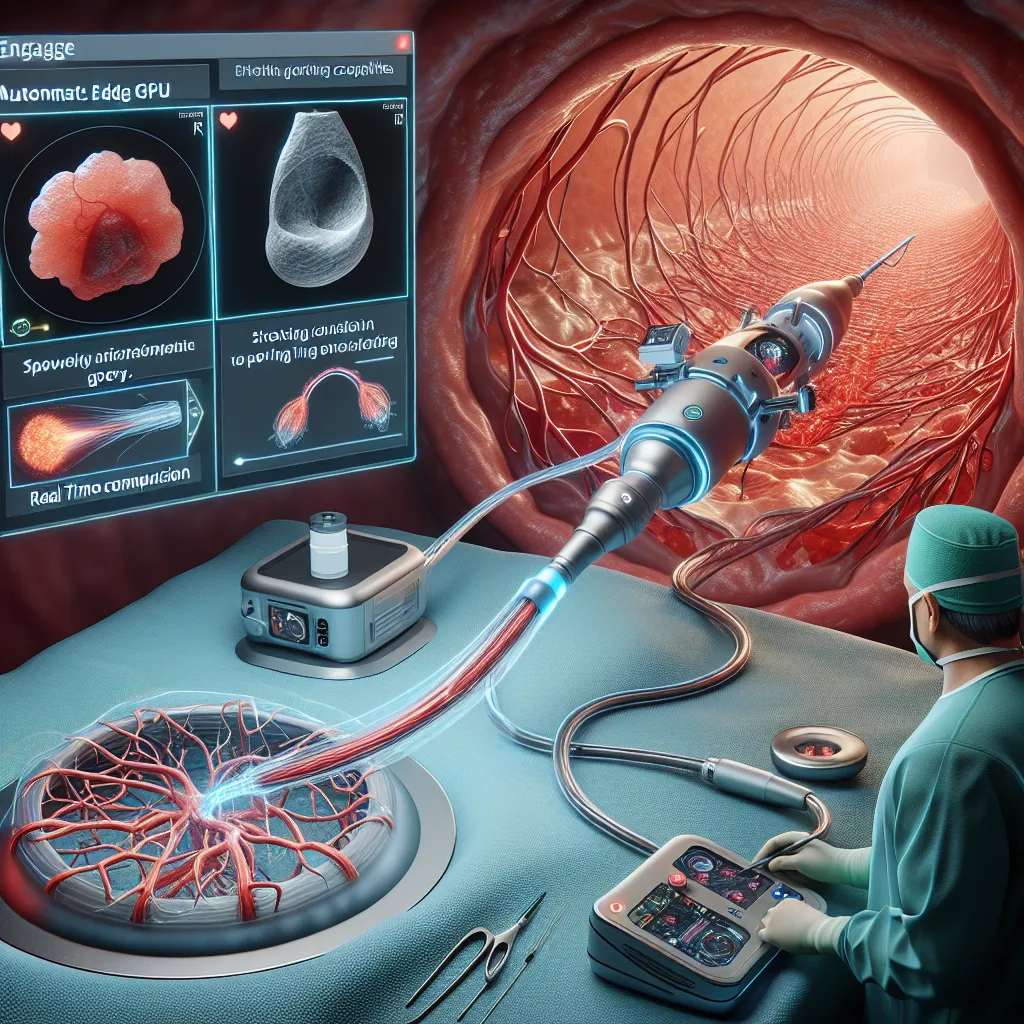
Every vascular intervention depends on the operator’s precision, but manual navigation through fragile vessels is slow, risky, and dependent on rare specialists. The solution: an autonomous robotic catheter guided by AI and real-time imaging that can reach a clot or aneurysm site automatically, with the human surgeon supervising instead of steering. Reinforcement learning and model-based control have matured enough to handle dynamic biological systems, and edge GPUs now allow real-time computation inside the device. Imagine a future where a small-town ER can insert a catheter and press “engage,” while an AI pilot navigates the arterial maze safely to the brain and awaits a remote surgeon’s final commands — democratizing access to lifesaving vascular procedures.
Description
No additional description provided.
The Pitch
Vascular interventions are critical medical procedures, often serving as life-saving measures, especially in emergency situations such as strokes or aneurysms. Traditionally, these procedures are heavily reliant on the skill and precision of specialist surgeons who manually navigate catheters through the intricate network of blood vessels. This process is not only time-consuming but also risky, with outcomes heavily dependent on the availability and expertise of seasoned operators. Unfortunately, such specialists are concentrated in urban centers, leaving smaller or rural hospitals with limited access to timely care.
Problem
The current approach to vascular interventions presents multiple challenges:
- Time-Intensive Procedures: Manual navigation requires significant time, potentially delaying treatment and increasing the risk of adverse outcomes. - Specialist Dependency: These procedures depend on the availability of specialized surgeons, who are in short supply, exacerbating healthcare disparities between urban and rural areas. - High Risk: Manual operations through fragile blood vessels increase the risk of errors and complications. - Accessibility: Smaller hospitals often lack the necessary expertise to perform these critical interventions, leading to a reliance on patient transfer to larger, equipped facilities, losing valuable time.
Solution
The proposed solution is an autonomous robotic catheter system, guided by Artificial Intelligence (AI) and real-time imaging, capable of independently navigating the complex vascular network. This system reduces the dependence on human precision and can be operated with limited specialist intervention, with a human surgeon overseeing the process rather than directly steering the catheter. By employing reinforcement learning and model-based control for dynamic environments, the system can adapt in real time to the biological intricacies of individual patients.
Product Details
The autonomous robotic catheter system integrates several advanced technologies:
1. AI Navigation Algorithms: Leverage reinforcement learning to develop adaptive navigation paths, allowing the system to efficiently maneuver through the intricate vascular network.
2. Real-Time Imaging: Utilizes advanced imaging techniques to provide continuous feedback and precise guidance, ensuring accurate catheter placement.
3. Edge Computing: Employs powerful edge GPUs within the device for rapid computation, enabling real-time decision-making and updates without the need for external processing power.
4. Remote Operation: Designed for ease of use, the system allows for remote monitoring and final command input by a specialist, making it ideal for use in locations lacking specialized vascular surgeons.
Implementation Tools for MVP
1. Prototyping Software: Tools like ANSYS or COMSOL can be used for simulating fluid dynamics within the vascular systems.
2. AI Development Platforms: Utilize TensorFlow or PyTorch for creating and training the AI algorithms necessary for autonomous navigation.
3. Real-Time Imaging Technology: Integrate existing imaging technologies, such as those from Siemens or GE Healthcare, tailored for vascular imaging.
4. Edge Computing: NVIDIA Jetson or similar platforms can provide the necessary computational power within the device.
Go-To-Market Strategy (GTM)
1. Partnerships: Collaborate with major healthcare providers and institutions to pilot the system, generating clinical evidence and endorsements.
2. Regulatory Compliance: Work closely with regulatory bodies from the outset to ensure adherence to medical device guidelines and facilitate quicker approvals.
3. Awareness and Training: Develop comprehensive training programs for medical staff to ensure effective implementation and operation of the system in diverse healthcare settings.
4. Early Adopters: Focus initially on urban hospitals with a higher volume of vascular procedures to build credibility and learn from high-frequency usage.
Business Model
1. Equipment Sales: Direct sales of the robotic catheter systems to hospitals and clinics.
2. Leasing Options: Offer leasing models to make the technology accessible to facilities with budget constraints.
3. Service and Maintenance: Provide ongoing support, maintenance, and software updates as part of a subscription model.
4. Training Services: Generate revenue through training programs for medical personnel on the use of the system.
Conclusion
By leveraging cutting-edge technologies, this autonomous robotic catheter system aims to democratize access to critical vascular interventions. It offers a scalable solution to bridge the gap between specialist availability and patient need, potentially transforming the landscape of emergency medical care in both urban centers and remote locations.