AI-Generated Food Photos for Restaurant Menus
Restaurant owners generate beautiful food photos from text descriptions of dishes they haven't even cooked yet. $79/mo. Solves the "new menu item" problem without expensive food photography.
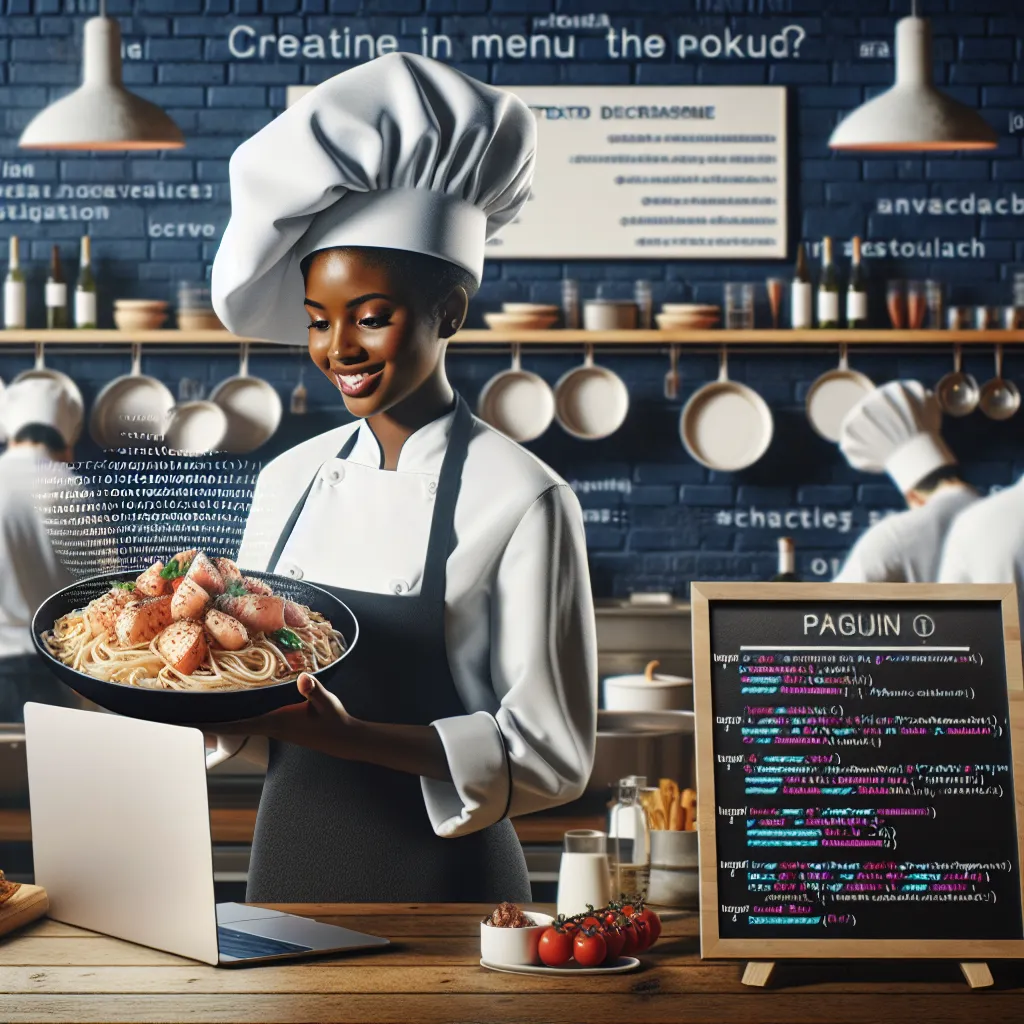
Description
No additional description provided.
The Pitch
In the competitive food industry, visual appeal is just as important as taste. Restaurant owners frequently update their menus to attract more customers and adapt to new food trends. However, before committing to new dishes, they face significant expenses in food preparation, staging, and professional photography, making the process of menu innovation both costly and risky.
**Problem Statement:** Developing a new menu item involves not only the cost of ingredients and chef's time but also the marketing preparation. Professional food photography can be prohibitively expensive, creating a barrier for small to medium-sized enterprises (SMEs) to innovate freely in their menu offerings.
**Solution Overview:** To address this, we propose an AI-driven platform where restaurant owners can input text descriptions of potential new dishes, and our service will generate realistic, high-quality images of these dishes. These images can be used for customer feedback, menu design, and promotional purposes before actual dish preparation.
**Product Details:**
- **AI Model:** Uses advanced machine learning algorithms trained on a dataset of thousands of dish images and their descriptions. - **Input:** Users input text descriptions of dishes including ingredients, preparation style, desired presentation, and garnishing details. - **Output:** High-resolution, photorealistic images of the described dish. - **Subscription Model:** Priced at $79 per month, providing unlimited access to generate images with priority customer support.
**Required Tools and Technology:**
1. **AI Model Development:** Tools like TensorFlow or PyTorch for building and training the generative model. 2. **Backend Development:** Python/Flask for API development to interface with the AI model. 3. **Frontend Development:** A user-friendly web interface using React or Angular for customers to input descriptions and view generated images. 4. **Cloud Services:** AWS or Google Cloud to host the service and manage computation requirements. 5. **Database Management:** PostgreSQL or MongoDB for managing user data and storing input/output data securely.
**Steps to Launch as an MVP:**
1. **Model Prototyping:** Develop a preliminary version of the AI model using a limited dataset to demonstrate capability. 2. **Minimum Viable Product (MVP) Development:** Implement core features such as user account creation, text input, image generation, and a basic gallery function. 3. **Pilot Testing:** Roll out the product to a select group of restaurant owners for beta testing and gather feedback. 4. **Iterative Improvement:** Refine the AI model and interface based on user feedback. 5. **Full-Scale Launch:** Launch the platform officially post-pilot adjustments.
**Go-To-Market (GTM) Strategy:**
1. **Target Market Identification:** Focus initially on independent and small chain restaurants looking to expand or modify their menus frequently. 2. **Digital Marketing:** Leverage social media platforms, targeted ads, and food industry blogs to reach potential customers. 3. **Partnerships:** Collaborate with restaurant associations, culinary schools, and menu design consultants. 4. **Free Trial Offer:** Offer a one-month free trial to attract initial users and generate buzz.
**Business Model:**
- **Subscription-based Revenue Model:** Monthly recurring fee for continuous access to the platform. - **Freemium Features:** Basic features available for free with watermarked images; premium features available under subscription. - **Add-on Services:** Additional services such as custom models trained for specific cuisine types or premium customer support.
This solution allows restaurant owners to visualize and market new dishes at a fraction of the traditional cost, encouraging culinary innovation and potentially transforming the way food businesses manage their menu development.