AI-First Nation-State (Startup Country)
Governments are slow and outdated — bureaucracy and politics hinder innovation. The solution: an AI-First Nation-State, a sovereign entity where AI manages taxes, immigration, healthcare, and education dynamically, optimizing based on real-time needs. Why now? Blockchain, DAOs, and AI governance make it possible to create agile, citizen-responsive microstates. Example: A new island nation deploys AI governance — citizens get adaptive tax rates, real-time healthcare routing, and direct participation in legislation, outperforming most Western democracies in efficiency and citizen satisfaction.
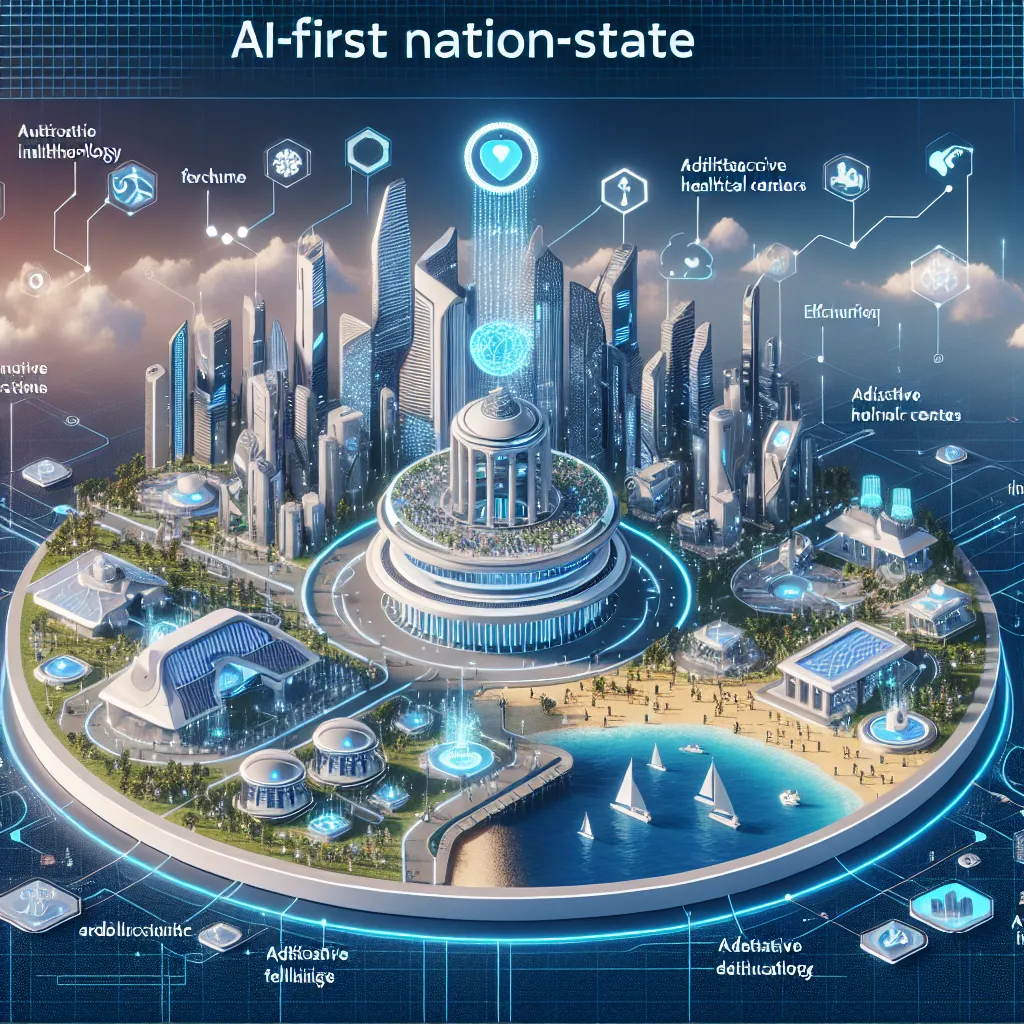
Description
No additional description provided.
The Pitch
In an era where traditional governance struggles to keep pace with technological advancements, there lies an unprecedented opportunity to reimagine the very concept of a nation-state. By leveraging cutting-edge technology, we can build a sovereign entity run by artificial intelligence, aimed at enhancing the efficiency and responsiveness of governance. This proposal outlines the creation of an AI-First Nation-State, where artificial intelligence takes the helm in managing core functions such as taxation, immigration, healthcare, and education.
Backstory
Conventional nation-states are often encumbered by bureaucracy and politics, which impede their ability to adapt swiftly to the needs of their citizens. Innovation is frequently stifled by slow legislative processes and entrenched interests, resulting in systems that fail to meet the needs of a modern, digital-first world. Citizens increasingly lose trust in their governments when those governments cannot ensure efficient public services, fair tax systems, and inclusive decision-making processes.
The Problem
The inefficiencies inherent in traditional governance structures lead to several issues:
- Overcomplicated tax systems that do not reflect individual circumstances. - Healthcare systems that are slow to respond to immediate needs, often leading to suboptimal care. - Educational frameworks that do not dynamically update to match the demands of a rapidly changing job market. - Limited citizen engagement in legislative processes, leading to a disconnect between government actions and public needs.
The Solution
An AI-First Nation-State redefines governance by implementing AI-driven solutions optimized for real-time responses and tailored services. Such a state operates by integrating artificial intelligence, blockchain technology, and decentralized autonomous organizations to form a highly agile, citizen-responsive microstate.
Product Details
1. **Taxation**: Adaptive tax rates personalized via AI. The system takes into account individual economic circumstances and societal needs, ensuring a fair distribution of tax burdens.
2. **Immigration**: AI-managed immigration controls adjust policies based on workforce demands, humanitarian needs, and security considerations to maintain a balanced and diverse population.
3. **Healthcare**: Real-time healthcare routing powered by AI identifies optimal care pathways, reducing wait times and improving patient outcomes.
4. **Education**: An AI-driven educational system constantly updates curricula to align with emerging market needs, ensuring that citizens are always equipped with relevant skills.
Tools for MVP Launch
To launch an MVP of this concept, several tools and platforms can be utilized:
- **AI Frameworks**: Platforms like TensorFlow or OpenAI for developing the AI infrastructure. - **Blockchain Solutions**: Ethereum for creating smart contracts and decentralized governance models. - **Data Analytics Tools**: Utilize platforms such as Elastic or Tableau for real-time insights and decision-making. - **Collaboration Tools**: Implement platforms like Slack or Asana to coordinate development and deployment efforts.
Go-To-Market Strategy
The key to a successful launch is building credibility and demonstrating the viability of an AI-First Nation-State. This can be achieved by:
1. Partnering with innovative tech companies and thought leaders to create pilot programs. 2. Launching a robust marketing and PR campaign focusing on the benefits of AI governance. 3. Hosting workshops and webinars to engage with potential citizens and investors. 4. Demonstrating initial success through measurable improvements in efficiency and citizen satisfaction in specific pilot areas.
Business Model
The AI-First Nation-State's business model would be based on:
- **Citizenship Subscription**: A tiered model where citizens pay a subscription fee scaled to their income in exchange for guaranteed services. - **Partnerships**: Collaborate with global tech companies for mutual development and deployment of emerging technologies. - **Sponsorship and Investments**: Seek initial funding through venture capital focused on future governance systems and tech-driven societal models.
In Conclusion
The AI-First Nation-State represents a bold leap into the future of governance. By aligning state functions with real-time data and citizen needs, such an entity could outperform traditional Western democracies in both efficiency and citizen satisfaction. With the right tools, strategic partnerships, and a clear go-to-market strategy, this concept can be transformed from visionary idea to actionable reality, setting a new standard for how societies govern themselves.