AI-Enhanced Memory Browser for Professionals
Despite advancements in AI and search, browsers are still dumb windows. Professionals—researchers, analysts, founders—read 100s of tabs, documents, emails, and decks, but forget 95% of it. There’s no persistent, intelligent layer that remembers what you’ve seen, why it mattered, and how it connects. This startup would build the first memory-first browser: an AI-native browser (or extension) that tracks what you read, watches how you engage, and builds a private semantic graph of your interests, assumptions, and decisions. You could ask: “What was that article I read last month about small cap fintech mergers?” or “Have I seen anything similar to this chart?” and it would pull exact moments, auto-summarize, and explain connections—without needing to bookmark or tag anything. This wasn’t possible before because browsing data was fragmented, AI lacked memory architecture, and personal context couldn’t be embedded in real time. But with local vector stores, RAG, and foundation model agents, we can now build a browser that thinks with you—and for you.
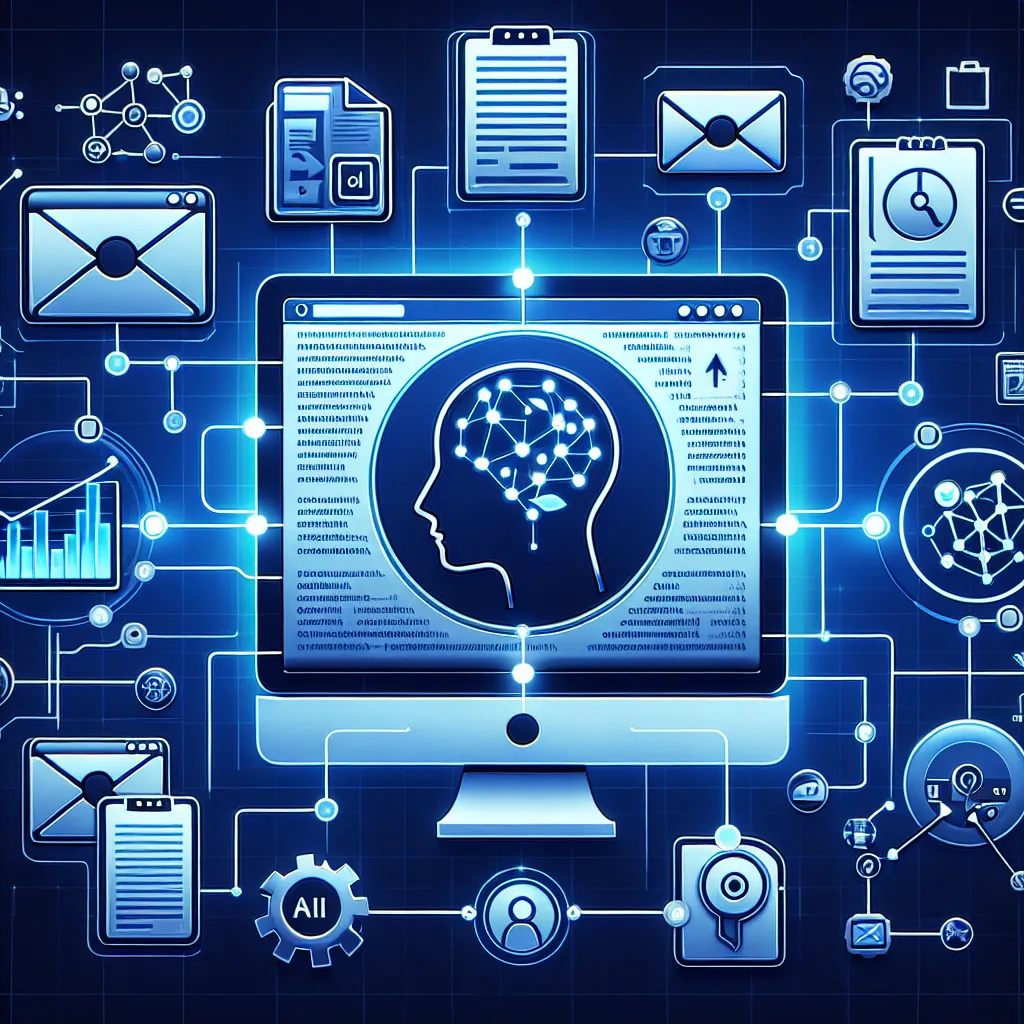
Description
No additional description provided.
The Pitch
In an age where information is abundant yet fleeting, professionals such as researchers, analysts, and founders encounter a unique dilemma. Despite significant advancements in artificial intelligence and search technologies, traditional web browsers remain largely passive entities. They serve as mere windows to the vast expanse of the internet, failing to address the core challenge faced by users: the retention and contextualization of vast amounts of data. The human brain, after all, tends to forget the majority of the content it consumes online. There exists no persistent, intelligent system that remembers the user's interactions, highlights their significance, or connects disparate pieces of information.
**The Problem**
Every day, professionals scroll through hundreds of tabs, read multiple documents, sift through countless emails, and analyze various presentations. Yet, only a fraction of the consumed content is remembered or utilized effectively. The absence of an integrated memory system means that valuable insights are often lost, and rediscovering them becomes a cumbersome process. Users are forced to rely on bookmarks, notes, or memory cues to recall and retrieve relevant information. Additionally, the lack of semantic linking among different data points hampers their ability to draw meaningful connections, resulting in missed opportunities and inefficient decision-making.
**The Solution**
Envision a memory-first browser designed to alleviate these pain points. This AI-native tool acts like an extension of the user's mind, observing, learning, and organizing their digital interactions. By utilizing advanced technologies such as local vector stores, Retrieval-Augmented Generation (RAG), and foundational model agents, this browser can build a personalized semantic graph. It does not merely remember what the user has seen but also understands the context and relevance of each piece of information.
This innovative browser allows users to interact naturally with their data. Imagine asking it, What was that article I read last month about small cap fintech mergers? or Have I seen anything similar to this chart? and receiving immediate, comprehensive responses. This tool can pull exact moments from your browsing history, auto-summarize content, and elucidate connections without any need for manual bookmarking or tagging.
**Product Details**
The memory-first browser features:
1. **Semantic Graph Construction**: Builds a personalized and dynamic map of the user's interests, assumptions, and decisions based on their interactions.
2. **Contextual Queries**: Empowers users to search for information based on context and relevance instead of relying solely on keywords.
3. **AI-Powered Summarization**: Automatically summarizes articles, papers, and reports, highlighting essential insights and connections.
4. **Connection Discovery**: Unveils links between different pieces of information, fostering a deeper understanding and sparking new ideas.
5. **Privacy and Security**: Ensures that all personal data and interactions are securely stored and processed locally, maintaining user confidentiality.
**Tools and Technologies for MVP Launch**
To develop and launch a minimum viable product for this concept, the following tools and technologies would be instrumental:
1. **Local Vector Stores**: For efficient storage and retrieval of semantic data.
2. **Retrieval-Augmented Generation (RAG)**: To enhance the contextual and retrieval capabilities of the AI.
3. **Foundation Model Agents**: To enable general-purpose AI that can understand complex user interactions.
4. **High-Level Programming Languages**: Such as Python or JavaScript for agile development and rapid prototyping.
5. **Web Technologies**: Utilize modern frameworks like React or Angular for a seamless user interface.
**Go-To-Market Strategy**
1. **Targeted Outreach**: Begin with beta testing among professionals within research-heavy industries to gather feedback and build credibility.
2. **Partnerships and Alliances**: Collaborate with educational institutions, think tanks, and industry bodies to expand reach and generate trust.
3. **Community Building**: Develop an active community around the product through webinars, workshops, and interactive content, positioning it as a thought leader in digital memory and AI-driven browsing.
4. **Content Marketing**: Leverage content marketing to showcase use cases and success stories, emphasizing the product's transformative impact on productivity and decision-making.
**Business Model**
1. **Subscription-Based Model**: Offer tiered subscriptions with varying levels of storage, features, and support.
2. **Enterprise Solutions**: Provide tailored solutions for large organizations seeking to enhance their team's research and analytical capabilities.
3. **Freemium Model**: Initially offer a basic version of the product for free, with options to upgrade for additional functionality.
By creating a browser that not only enhances memory but also fosters deeper connections among data, this product has the potential to redefine how professionals interact with digital information. This intelligent companion is not just a tool—it is the future of browsing.