AI-Enhanced Inventory Management for Eyewear Stores
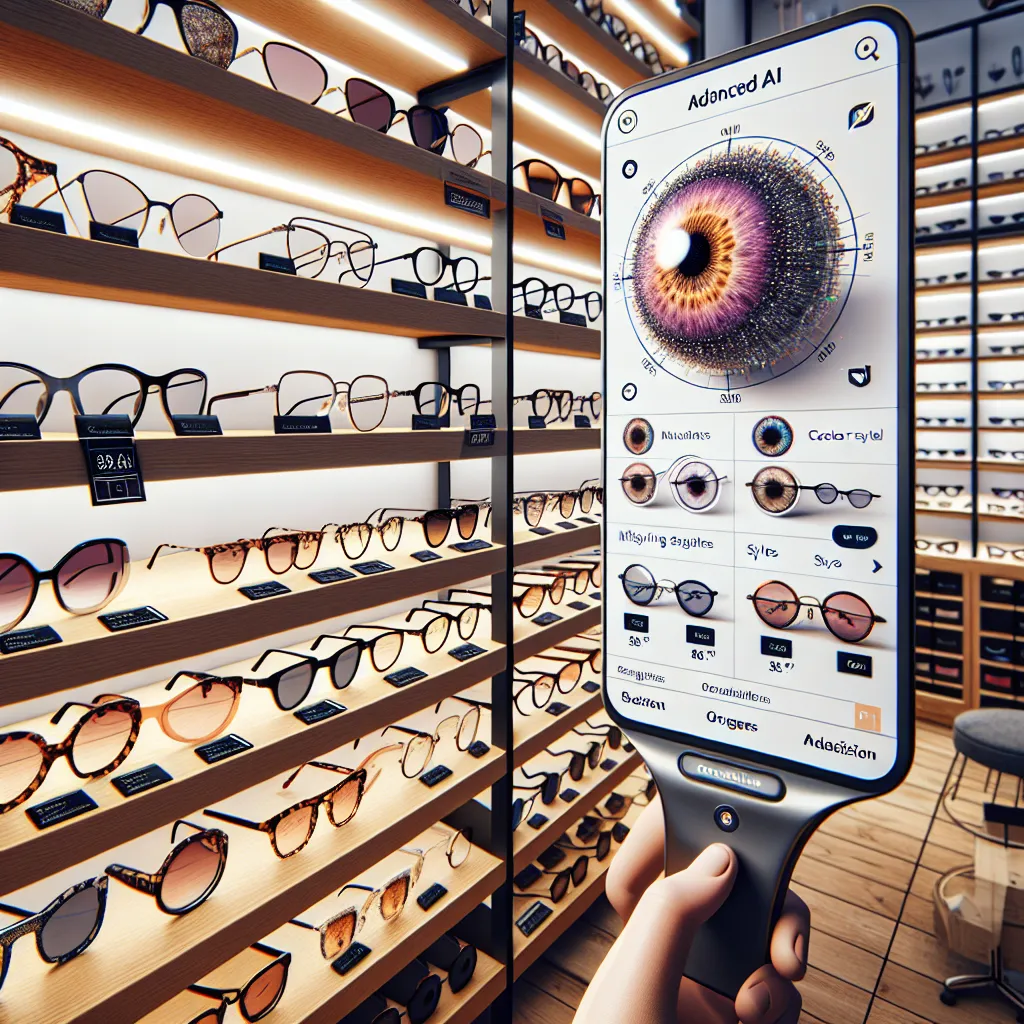
Independent eyewear stores often struggle with tracking, organizing, and displaying their physical inventory—especially when it comes to style variety, color combinations, or stockouts across multiple brands. Traditional POS systems don’t account for visual merchandising or the aesthetic balance of in-store displays. With GPT-4o’s ability to analyze and reason from images, a startup could offer a tool that lets store owners snap photos of their shelves, drawers, or product trays. The AI would recognize each frame, tag its style, brand, and SKU using computer vision, and sync that to inventory counts. It could flag missing sizes, highlight overstocked styles, or even suggest layout improvements based on customer trends (e.g. “Too many tortoiseshell frames in one display—spread across 3 walls for better engagement”). This saves hours of manual data entry and gives boutique opticians a smarter way to manage and optimize inventory visually. Monetize through monthly SaaS or integrations with POS systems.
Description
No additional description provided.
The Pitch
In the fast-paced world of retail, independent eyewear stores face unique challenges when it comes to tracking, organizing, and visually merchandising their expansive product inventories. Unlike larger chains with dedicated teams and sophisticated technologies, these boutique shops often rely on traditional, manual processes that are time-consuming and prone to errors. The diversity in style, color combinations, and brand offerings can make inventory management a cumbersome task. Traditional POS systems primarily focus on numbers and often fail to integrate the visual and aesthetic aspects critical to eyewear merchandising.
**Identifying the Problem**
The core issue lies in the disconnect between inventory management and visual merchandising. Store owners need an efficient method to ensure that their product displays not only reflect optimal stock levels but also engage customers aesthetically. The lack of a cohesive system often leads to stockouts of popular styles, overstocking of less desired ones, or ineffective display arrangements that fail to captivate the buyer's attention. Consequently, this inefficiency impacts sales and customer satisfaction, as potential buyers may not find what they're looking for or have their purchasing journey interrupted by poorly managed inventories.
**The Innovative Solution**
Leveraging cutting-edge AI technology, such as GPT-4o, presents a transformative opportunity for eyewear retailers. By developing a tool that harnesses computer vision capabilities, stores can effortlessly enhance their inventory management processes. This solution allows store owners to take live photographs of shelves, drawers, or trays, which the AI then analyzes to identify, categorize, and tag each frame’s style, brand, and SKU. The AI-powered system seamlessly syncs this visual data with real-time inventory counts, providing crucial insights and recommendations.
**Product Details**
- **Visual Recognition and Inventory Tagging**: The AI utilizes advanced image recognition to differentiate among various eyewear styles, colors, and brands, updating the inventory in real time.
- **Smart Analytics**: By analyzing customer behavior and existing trend data, the system offers suggestions to rearrange displays for optimal customer engagement. For instance, spread out similar frame colors like tortoiseshell across multiple walls to enhance display appeal.
- **Automated Alerts**: The tool provides critical alerts on missing sizes or overstocked items, helping store managers make informed restocking or discount decisions.
- **Dashboard Interface**: A user-friendly dashboard allows store owners to easily visualize inventory health, spot trends, and make data-driven decisions on merchandise placement and ordering.
**Tools to Launch as an MVP**
Launching this solution can be simplified by leveraging existing tools and technologies:
- **Computer Vision APIs**: Use platforms like Google's TensorFlow or Microsoft's Azure Cognitive Services to quickly develop visual recognition capabilities.
- **Cloud-Based Database Solutions**: Employ cloud services such as AWS or Google Cloud for real-time inventory syncing and data storage.
- **Rapid Prototyping Frameworks**: Utilize frameworks like React or Vue.js to build a responsive and interactive dashboard interface.
**Go-To-Market Strategy**
To successfully introduce this product to the market, the following strategy can be employed:
1. **Target Early Adopters**: Begin with a focus on independent opticians and boutique eyewear retailers who are likely to benefit the most and can provide valuable feedback.
2. **Partnerships with POS Providers**: Form alliances with existing POS providers to offer seamless integrations, making the adoption process smoother.
3. **Pilot Program**: Launch a pilot program with select stores to demonstrate effectiveness, gather testimonials, and refine the product.
4. **Educational Campaigns**: Conduct webinars and workshops to educate potential users on the benefits of AI in inventory management.
**Business Model**
The primary revenue model will be subscription-based SaaS, offering tiered pricing plans to cater to different business sizes and needs. Additional revenue streams could include:
- **POS Integration Fees**: Charge for integrating the AI tool with various POS systems.
- **Consulting Services**: Offer personalized consulting to help stores optimize their inventory management and visual merchandising processes.
By addressing a critical gap in the eyewear retail industry, this AI-driven tool promises to revolutionize how independent stores manage and present their products, enhancing both operational efficiency and customer satisfaction.