AI-Driven Workspace: Replacing Slack with Autonomy
Slack turned every minute into a notification, and every team into a swarm of half-finished thoughts. Sam Altman’s right—Slack has positives, but it created fake work. The future isn’t adding AI copilots to the same old chaos. It’s rebuilding the entire stack—docs, slides, email, and chat—from first principles around trusted AI agents that do the work and only escalate when something truly needs a human. Each person gets a personal AI agent that connects to all their tools—CRM, Notion, Drive, whatever—and quietly coordinates with other agents to move projects forward. Marketing’s agent updates Design’s assets. Sales’ agent requests new collateral. Ops’ agent confirms budget approvals. You only hear about it when something truly needs your input. Instead of “Did you see this thread?” you get one ping: “Design and Marketing disagree on timeline—want me to decide or escalate?” You choose, it learns, and next time it just handles it. Productivity finally shifts from activity to output. The system tracks tasks completed, projects shipped, and deals closed—not messages sent or meetings attended. The result is a quiet, coordinated, AI-native workspace that executes autonomously and only surfaces what matters. Not another layer on top of Slack—but what replaces it entirely.
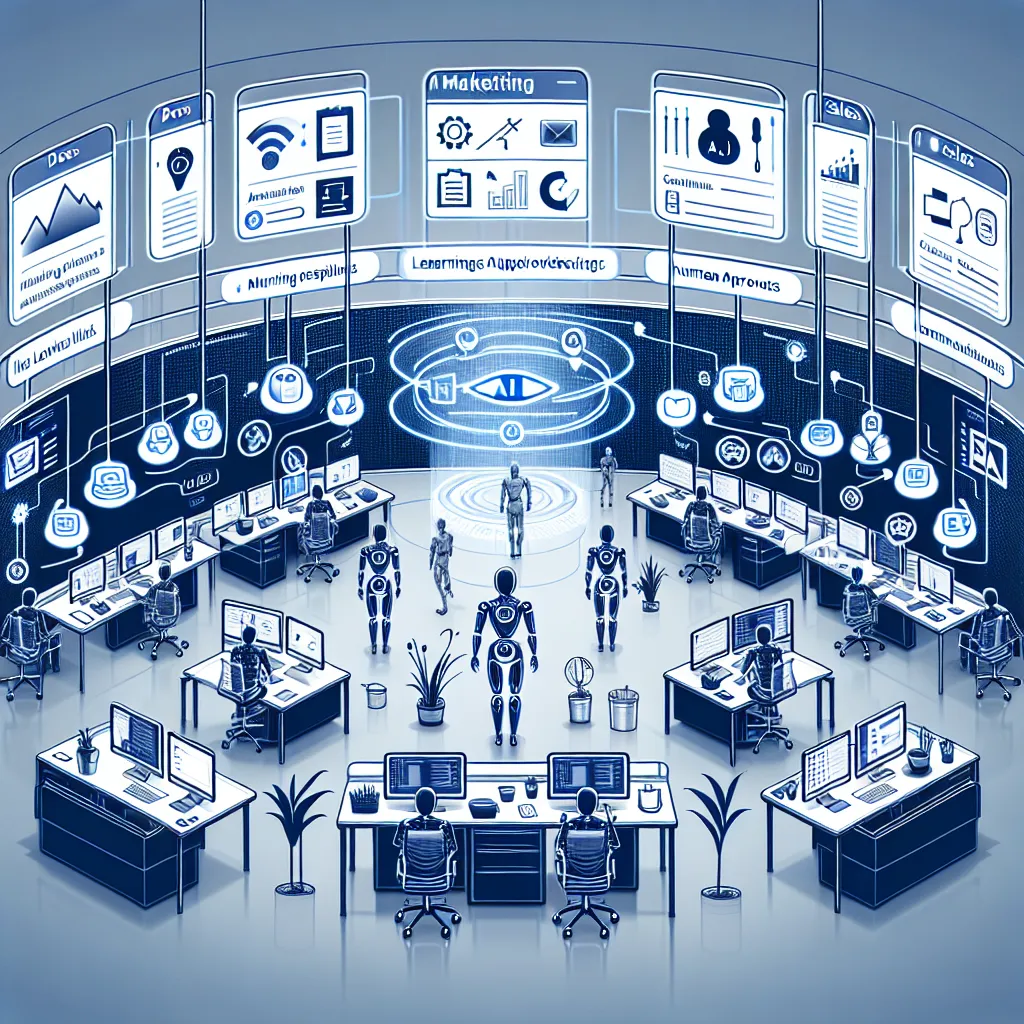
Description
No additional description provided.
The Pitch
In today's digital workspace, the constant barrage of notifications and messages often undermines productivity, turning every minute into a flurry of half-finished tasks and fragmented communication. Popular platforms like Slack, while offering solutions for team collaboration, inadvertently create environments prone to distractions masquerading as productivity. Sam Altman rightly points out that while these tools have merits, they often generate fake work — engaging busywork that feels productive but delivers minimal value.
**The Challenge**
As work environments evolved, so did their complexities. Teams dealing with multiple tools — from CRM systems to project management apps like Notion and Drive — find themselves buried in a continuous loop of notifications and tasks. These tools, lacking a unified management system, require constant human intervention which drains valuable time that could be spent on higher-order problem-solving and creativity.
**Our Vision**
The landscape of work is ripe for transformation. The future isn’t about superficially enhancing existing tools with AI copilots; it's about building a system from the ground up that focuses on meaningful work output, leveraging AI to minimize unnecessary human involvement. Our vision is an AI-native workspace that autonomously handles routine tasks, freeing humans to focus on decisions that truly require their insight.
**Introducing the Solution**
Imagine a workspace where each individual is accompanied by a personal AI agent, seamlessly connected to their suite of tools—be it a CRM, Notion, or Drive. These agents don't just automate tasks but autonomously coordinate across departments, ensuring projects move forward without the incessant noise of status updates or the need for trivial confirmations.
**How It Works**
1. **Dynamic Task Coordination**: Agents in marketing can autonomously update design assets, while sales agents can request collateral through intelligent negotiation with other department agents. 2. **Intelligent Conflict Resolution**: When discrepancies arise, such as a disagreement over project timelines between departments, the relevant AI agents flag these issues. Users receive a single notification: a choice to either allow the AI to resolve the conflict or to provide input, enabling the agent to learn from this decision. 3. **Focus on Deliverables**: The system emphasizes tracking outputs like tasks completed and deals closed, rather than peripheral activities such as messages exchanged or meetings attended.
**Product Details**
- **AI Agents**: Personalized agents capable of contextually understanding and automating tasks. - **Integration Suite**: Seamless integration with existing tools like CRMs and project management software. - **Autonomous Execution Framework**: A back-end system that supports inter-agent communication and task execution.
**Tools and Launch Strategy**
Building this MVP can leverage existing AI and integration frameworks, utilizing tools such as:
- **API Integration Platforms**: Use services like Zapier or Integromat to connect various tools. - **AI Development**: Implement machine learning frameworks such as TensorFlow to develop adaptive AI agents. - **Cloud Services**: Deploy on cloud platforms like AWS for scalability and reliability.
**Go-To-Market Strategy**
1. **Target Early Adopters**: Focus on tech-savvy, medium-sized enterprises willing to experiment with advanced AI solutions. 2. **Pilot Programs**: Launch pilot trials with key industry players to gather feedback and refine features. 3. **Strategic Partnerships**: Collaborate with SaaS providers to enhance integration capabilities. 4. **Content and Education**: Develop thought leadership content to educate the market on the transformative benefits of AI-native workspaces.
**Business Model**
The product can follow a subscription-based model with tiered pricing strategies:
- **Freemium Tier**: Basic features for small teams to foster adoption. - **Professional Tier**: Enhanced functionality for medium-sized businesses demanding higher integration needs. - **Enterprise Tier**: Custom solutions with dedicated support and advanced analytics for large organizations.
By focusing on reducing fake work and promoting genuine productivity, this platform sets to revolutionize how teams operate, with AI paving the path to efficiency, allowing professionals to concentrate on impactful work rather than mundane tasks.
---