AI-Driven Webinar Repurposing for Effortless Lead Gen
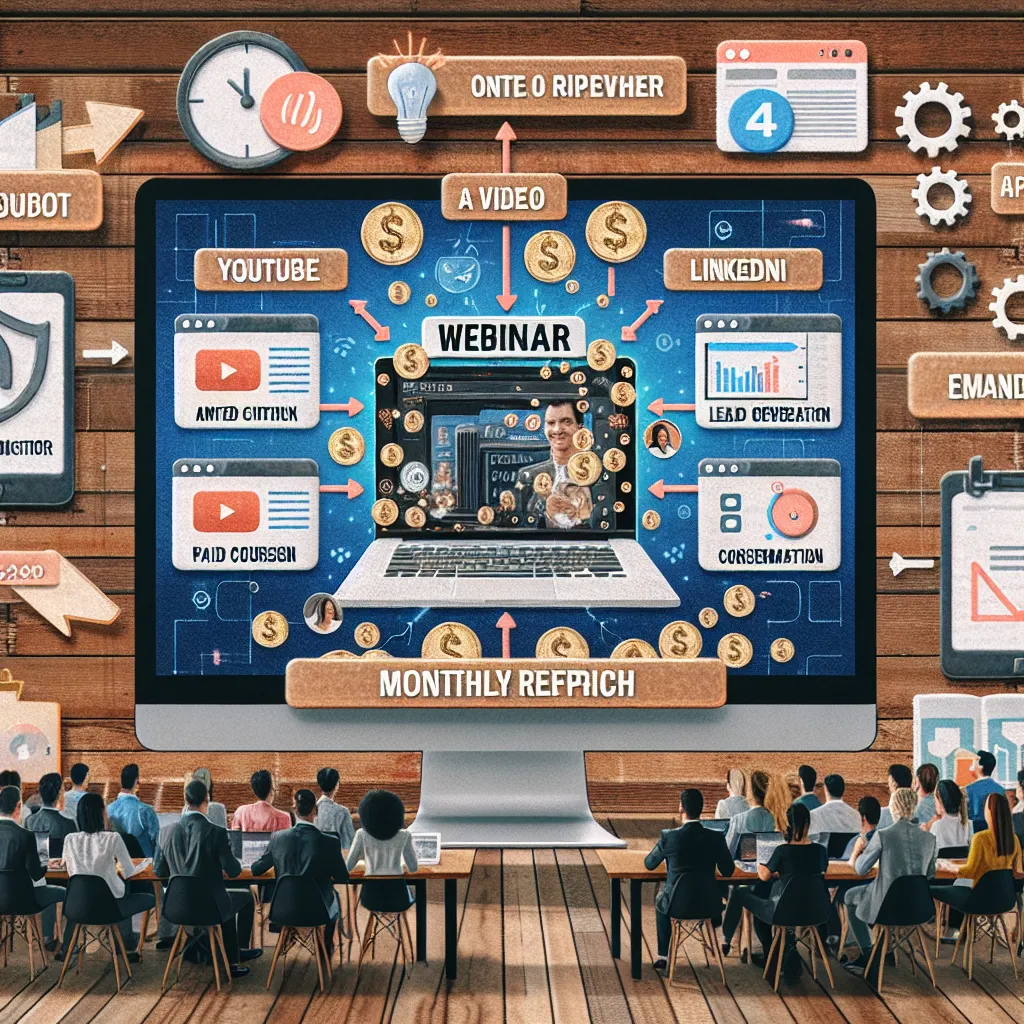
B2B teams run webinars, but solopreneurs and course creators often skip them due to complexity. A novel agency product takes a single recorded webinar and auto-generates 4 evergreen variants: one for YouTube, one for LinkedIn lead gen, one as an email course, and one for paid ads — all scripted and edited by AI. This turns one-time effort into a lead engine. Cody notes: “Take those webinars… turn them into transcripts… into a PDF…” Extend this by building a self-service SaaS interface to refresh and relaunch old webinars monthly with zero manual effort.
Description
No additional description provided.
The Pitch
In today's digital landscape, webinars have emerged as a powerful tool for engagement, education, and lead generation. While B2B teams frequently leverage webinars to connect with their audience, solopreneurs and course creators often hesitate to utilize them due to the perceived complexity and time investment required. Addressing this challenge presents a unique opportunity to streamline and democratize webinar use for smaller players in the market.
The primary challenge faced by solopreneurs and course creators lies in the multifaceted nature of webinars. Creating, editing, and effectively distributing webinar content requires a significant commitment of resources and expertise that many lack. This often results in missed opportunities to engage wider audiences and establish authority within their field.
To address this, imagine an agency that offers a specialized service designed to simplify the process of turning a single recorded webinar into a versatile content suite. This service would automatically generate four evergreen content variants from one webinar: a YouTube-friendly video, a LinkedIn lead generation tool, an email course, and a series of paid advertisement scripts. This approach amplifies the impact of a single content creation effort, transforming it into a recurring lead generation system.
The described product would be powered by sophisticated AI tools capable of scripting and editing these variants with minimal human intervention. It would streamline the transition from raw webinar footage to polished and platform-specific content, effectively multiplying the reach and utility of the original material.
In addition, the next phase of development would involve creating a self-service SaaS platform. This platform would enable users to refresh and relaunch older webinars on a monthly basis without manual effort, ensuring continuous engagement and sustained lead generation from previously created content.
For those considering building this concept into a viable solution, leveraging AI-driven editing tools, transcription services, and content management systems would be fundamental. To create a minimum viable product, utilizing established AI platforms and APIs, such as those offered by OpenAI or Google Cloud, would allow for rapid development and iteration.
As for the go-to-market strategy, targeting solopreneurs, small business owners, and online educators through digital advertising, affiliate marketing, and partnerships with influencers in the entrepreneurial space would be crucial. Developing case studies and testimonials to highlight success stories can also foster trust and attract interest from potential users.
In terms of business model, a subscription-based approach offers a predictable revenue stream while providing ongoing value to customers. Tiered pricing could accommodate different levels of service, from basic automated editing to more advanced features, such as bespoke customization and strategic consulting.
Overall, this concept represents a significant opportunity to empower smaller players with the tools they need to harness the power of webinars without an extensive investment of time or resources. By transforming webinars into robust content ecosystems, solopreneurs and course creators can more effectively engage their audiences and drive sustainable growth.