AI-Driven Wearable Monitoring for Patient Care
Chronically ill and elderly patients often rely on wearables, but interpreting that data is overwhelming and disconnected. A startup could combine wearable streams, symptom check-ins, and orchestrated AI to triage patients in real time. Rather than wait for a dangerous trend, the AI could recommend specific tests or physician follow-ups, acting as a virtual safety net. With multimodal reasoning now possible (text, vitals, signals), this orchestration can save lives. Imagine a senior’s heart rate, activity, and mood inputs showing subtle decline. The AI flags a rising heart failure risk and suggests an NT-proBNP test and a call from their cardiologist—preventing hospitalization before symptoms worsen.
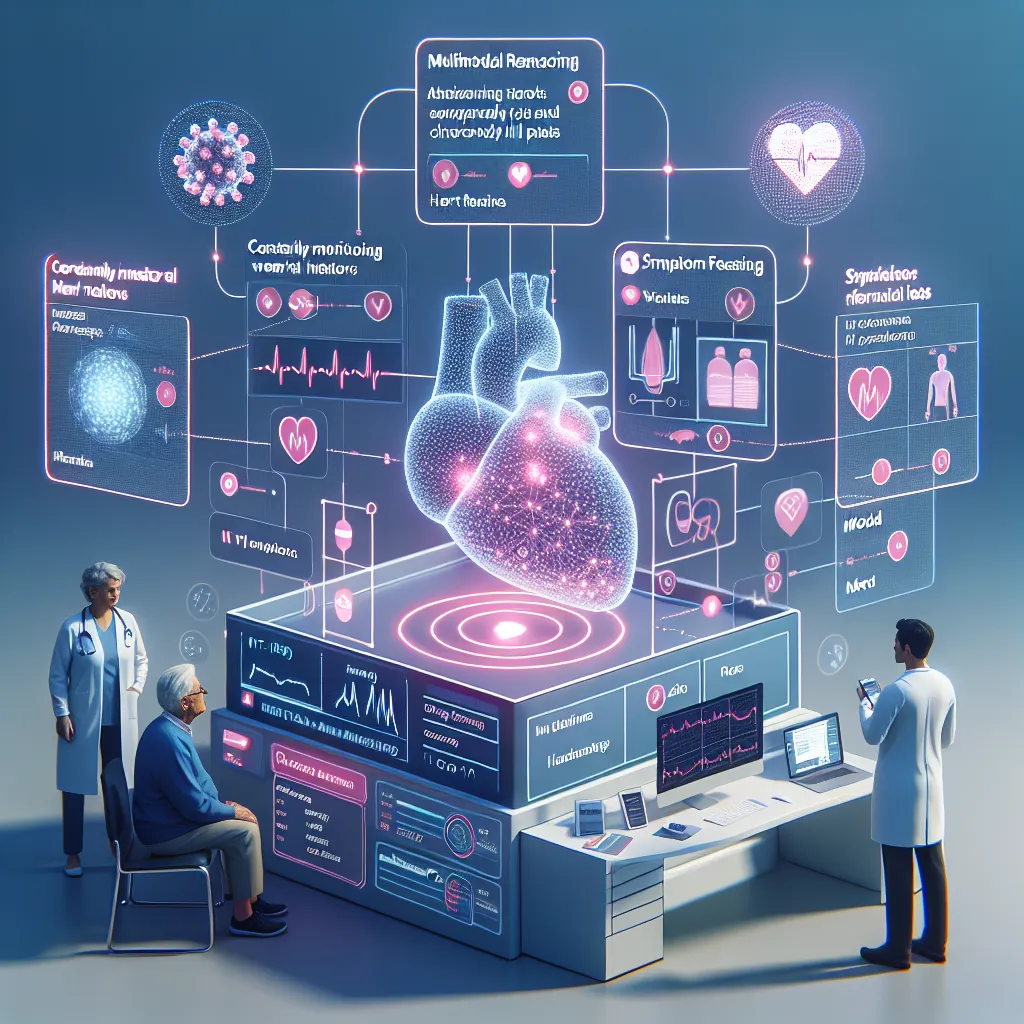
Description
No additional description provided.
The Pitch
In today's rapidly evolving healthcare landscape, technology plays a pivotal role in supporting and improving patient outcomes. Chronically ill and elderly patients, in particular, face challenges in managing their health due to complex conditions and multiple medications. While wearable technology has made significant strides, the sheer volume of data generated can be overwhelming and challenging to interpret effectively. This presents an opportunity for a startup to streamline these data into actionable insights using AI-driven technologies.
Backstory
Traditionally, wearable devices have been employed to monitor vital signs, activity levels, and other health indicators for patients with chronic illnesses and the elderly. However, the data collected often remains siloed, inaccessible, and requires healthcare professionals to manually interpret the trends—a task that is not only time-consuming but prone to human error. Consequently, dangerous health trends can go unnoticed until they reach critical stages, leading to emergency situations or hospitalizations.
The Problem
The existing ecosystem of health monitoring relies heavily on reactive care, where medical intervention occurs only after symptoms have manifested noticeably. This approach poses several issues: - Fragmented data streams create a disconnect between different aspects of a patient's health. - Interpretation of the data requires specialized knowledge, often resulting in delayed response times. - Patients and caregivers are not empowered to act on early warning signs due to a lack of synthesized and actionable insights.
The Solution
By leveraging orchestrated AI, a new health monitoring solution can be developed that seamlessly integrates wearable data streams with AI-driven symptom check-ins and risk assessments. Here’s how it works: - AI algorithms synthesize data from multiple wearables, analyzing text inputs, vital signs, and other health signals in real time. - The system proactively triages patients by identifying subtle health trends that could precede potential emergencies. - Specific medical tests, such as an NT-proBNP test for heart failure, or direct physician follow-ups are recommended, mitigating the risk of severe outcomes.
Product Details
The proposed solution consists of three core components: 1. Wearable Integration: Seamlessly connects with popular wearables to gather data on heart rate, activity, sleep patterns, and more. 2. AI Orchestration Engine: Utilizes multimodal reasoning and machine learning to analyze data for anomalies, trends, and potential health risks. 3. Patient and Provider Interface: A user-friendly platform where patients can view simplified health insights and recommendations while healthcare providers receive alerts for priority cases that require attention.
Tools for MVP Launch
To bring this solution to market, consider using the following tools: - AI and Machine Learning Frameworks like TensorFlow or PyTorch for developing the AI algorithms. - FHIR-compliant APIs and platforms for secure health data exchange. - Data visualization tools such as Tableau or Power BI for user interface design and patient dashboards. - Wearable SDKs from device manufacturers like Apple, Garmin, or Fitbit for seamless data integration.
Go-To-Market Strategy
The GTM strategy includes: - Targeted partnerships with healthcare providers and wearable manufacturers to ensure seamless integration and adoption. - Pilot programs with chronic care facilities and senior living communities to validate the solution’s benefits and outcomes. - Educational campaigns focused on the value proposition of proactive care for reducing hospitalizations and improving patient quality of life. - Direct-to-consumer marketing focusing on caregivers and patients seeking enhanced health monitoring solutions.
Business Model
Consider a subscription-based model where users pay a monthly fee for access to the comprehensive health monitoring platform. Potential revenue streams also include: - Licensing agreements with healthcare providers and insurance companies that benefit from reduced hospitalizations and increased patient well-being. - Partnerships with wearable manufacturers who can offer the solution as a value-added service.
Conclusion
By transforming passive data collection into proactive healthcare management, this AI-driven solution offers a promising approach to addressing the gaps in chronic illness and elderly care. Not only does it empower patients and caregivers with real-time insights, but it also alleviates the burden on the healthcare system by allowing timely and preventative interventions.