AI-Driven Virality Prediction for Athleisure Brands
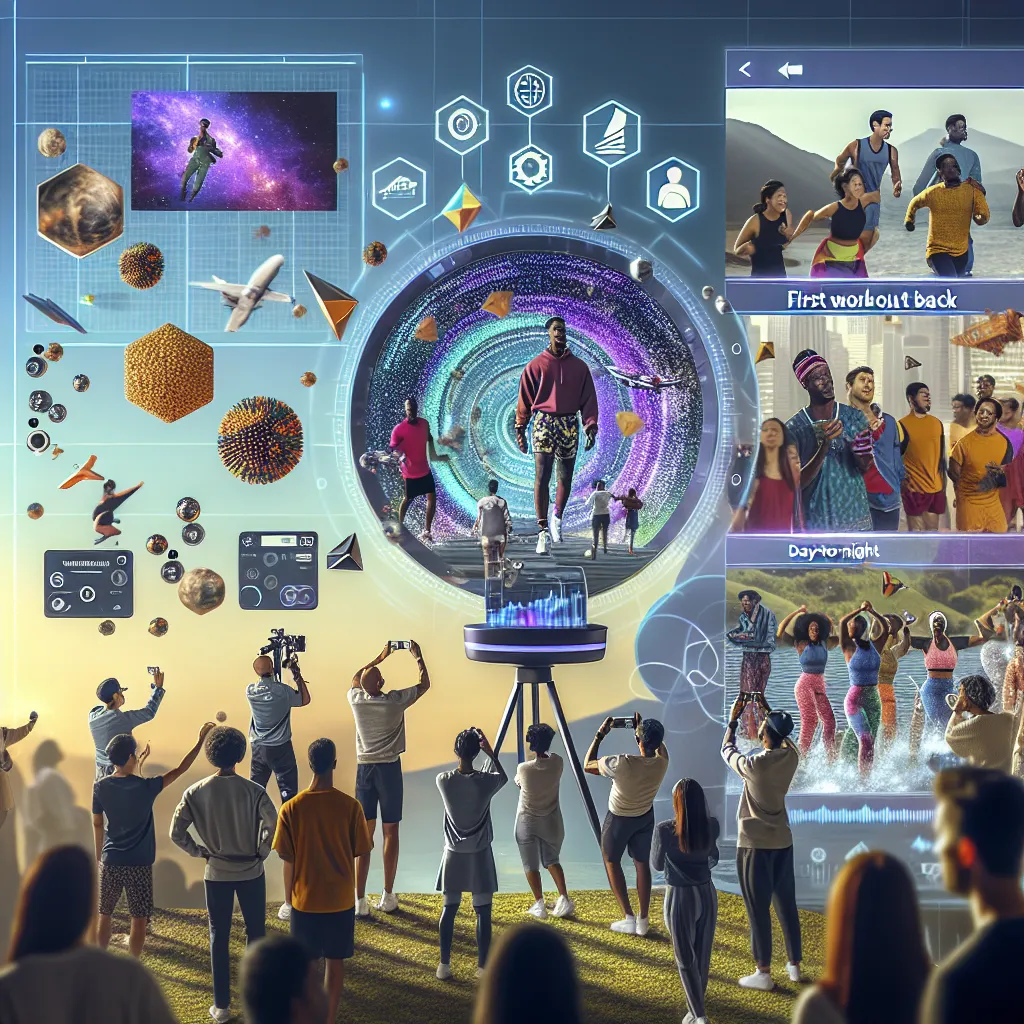
Brands spend millions on influencer campaigns but have little visibility into which creators or creative concepts will actually go viral. The solution is a virality prediction platform for athleisure brands that uses AI and social data to model which types of content (format, hook, creator) will drive impressions and earned media value. Creator content already outperforms brand posts by a factor of 19x in EMV and 44x in volume, showing the importance of creative optimization. Example: A new women’s training apparel brand uses the engine to test whether “first workout back” videos or “day-to-night athleisure” trends will generate more traction—and finds that short, recovery-focused reels from micro-creators convert best.
Description
No additional description provided.
The Pitch
In recent years, the rise of influencer marketing has transformed how brands engage with their audiences, offering an organic and relatable touch to advertising. However, despite its potential, brands often struggle with the unpredictability of campaign outcomes, making substantial financial commitments with little assurance of success. This challenge is particularly pronounced in the fast-paced athleisure sector, where trends shift rapidly and consumer attention is a precious commodity.
The key issue for athleisure brands investing in influencer marketing lies in their limited ability to predict the virality of content. While brands may know which influencers have a large following, understanding which combinations of creators, creative concepts, and content formats will resonate most effectively is often a guessing game. This uncertainty can lead to suboptimal resource allocation, ineffective campaigns, and missed opportunities in capturing audience engagement.
To tackle this issue, a cutting-edge virality prediction platform is proposed for athleisure brands. Leveraging artificial intelligence and a wealth of social media data, this platform models potential campaign outcomes by analyzing historical performance and identifying patterns in successful content. By focusing on factors such as content format (e.g., short-form videos vs. static images), thematic hook (e.g., fitness challenges vs. lifestyle integration), and creator attributes (e.g., macro vs. micro-influencers), the platform provides brands with insights into which elements drive the highest engagement and earned media value.
The significance of creative optimization is underscored by industry data indicating that influencer-generated content vastly outperforms traditional brand posts. Creator content typically achieves 19 times higher earned media value and 44 times greater volume, emphasizing the necessity for brands to refine their influencer strategies.
Consider a practical scenario: A new women's training apparel brand wants to launch a campaign but is unsure whether to focus on first workout back videos or day-to-night athleisure trends. By utilizing the virality prediction platform, they can assess which concept is likely to perform better across their target demographics. The platform might reveal, for instance, that short, recovery-focused reels from micro-creators are more likely to convert, providing the brand with a data-driven approach to content creation.
To build this platform as a minimum viable product, key tools and technologies such as AI frameworks (e.g., TensorFlow, PyTorch), social media APIs, and data analytics platforms can be employed. The initial product should offer user-friendly interfaces, allowing brands to input campaign variables and visualize predicted outcomes quickly.
The go-to-market strategy should focus on showcasing the platform's ability to reduce campaign uncertainty and enhance ROI. Target early adopters in the athleisure market with demos and case studies illustrating successful predictions and measurable improvements in campaign performance. Building partnerships with influencer marketing agencies and offering integration capabilities with existing marketing tools can help expand market reach.
A subscription-based business model would provide recurring revenue, with tiered pricing options to cater to different brand sizes and needs. Offering premium features such as advanced analytics, bespoke consulting, and early access to trend data could create additional value.
In summary, the proposed virality prediction platform addresses a critical challenge for athleisure brands by using AI-driven insights to optimize influencer marketing campaigns. By enhancing predictability and leveraging creative trends, brands can better capture audience interest, maximize engagement, and achieve higher returns on their marketing investments.