AI-Driven Universal Pricing Engine for Sellers
Selling anything online is guesswork—there’s no reliable way to know what something will actually sell for across platforms, conditions, and geographies. The solution is a universal pricing engine that aggregates real transaction data and recommends where to list, at what price, and how long it’ll take to sell. This works now because marketplaces like eBay and Facebook have massive but fragmented data, and AI can finally normalize and interpret it at scale. Example: you upload a photo of a used Peloton, and it tells you “List on Facebook Marketplace at $850 for a 70% chance of selling in 5 days, or eBay at $950 with shipping for higher upside but slower velocity.”
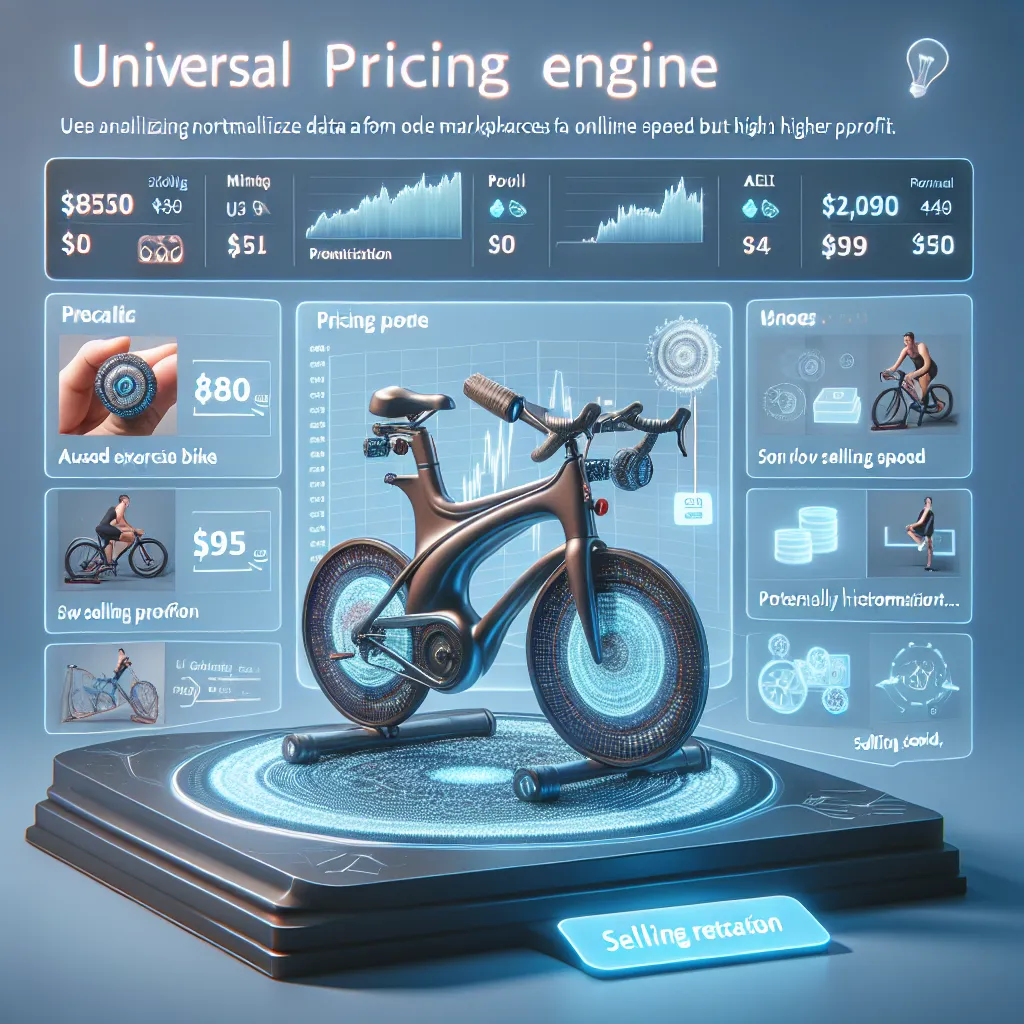
Description
No additional description provided.
The Pitch
In the rapidly evolving world of online commerce, sellers often find themselves navigating through layers of uncertainty. Determining the right price for an item across platforms with varying conditions and buyer demographics is more art than science. This results in missed opportunities, either through underselling valuable items or failing to make sales due to overpricing.
The Challenge:
Selling items online, whether they are new or used, poses a primary challenge: the absence of a reliable method to ascertain the optimal selling price. Sellers are left guessing, relying on fragmented data from individual platforms such as eBay, Facebook Marketplace, Craigslist, and others. This leads to inefficiencies, lost revenue, and extended listing durations as sellers adjust prices through trial and error. Moreover, the diverse nature of these platforms, each catering to distinct audiences with unique purchasing behaviors, complicates the pricing strategy further.
The Solution:
The development of a universal pricing engine provides a sophisticated yet user-friendly approach to tackle these challenges. By aggregating transaction data from multiple online marketplaces and analyzing it through advanced AI algorithms, this engine offers tailor-made pricing advice. It leverages real-time data to evaluate item conditions, platform-specific pricing variations, and geographical demand differences.
Product Details:
1. **Data Aggregation**: Seamlessly collects transaction data from various online marketplaces to build a comprehensive database of historical sales.
2. **AI-Powered Analysis**: Utilizes machine learning algorithms to normalize data across platforms, adjusting for keywords, condition descriptions, and more.
3. **Pricing Recommendations**: Offers sellers specific price points for different platforms, maximizing the chance of a sale while optimizing for speed or profit.
4. **Platform Suitability Advice**: Recommends the best platform(s) to list an item, based on potential reach, typical buyer demographics, and competition.
5. **Sale Probability and Timing**: Provides estimated sale probabilities and timelines, allowing users to make informed decisions based on their urgency to sell.
Tools and Technologies:
To develop and launch this minimum viable product, key technological components include:
- **Data Scraping Tools**: For collecting vast amounts of public data from online marketplaces.
- **Cloud Computing Services**: To handle and process large datasets efficiently.
- **Machine Learning Libraries**: Such as TensorFlow or PyTorch, to build predictive models.
- **User Interface Frameworks**: Like ReactJS or Angular, to create an intuitive and responsive user experience.
Go-To-Market Strategy:
1. **Targeted Outreach to Online Sellers**: Connect with individual sellers and small businesses via digital marketing campaigns and partnerships with e-commerce platforms.
2. **Integrations with Online Marketplaces**: Collaborate with major e-commerce platforms to enable seamless access and data integration, enhancing platform functionality.
3. **Freemium Model**: Offer a basic version for free with premium features available through subscription, thereby attracting a broad initial user base while generating revenue.
4. **Educational Content Marketing**: Create webinars, blog posts, and tutorials on effective online selling strategies, establishing authority and driving interest in the product.
Business Model:
The universal pricing engine can adopt a subscription-based business model, with various pricing tiers catering to different user needs:
- **Basic Plan**: Free or low-cost subscription granting access to fundamental pricing recommendations.
- **Pro Plan**: Monthly fee unlocking advanced analytics, platform integration, and comprehensive market reports.
- **Enterprise Package**: Custom solutions for larger sellers with extensive inventory, offering personalized analytics and white-label options.
By addressing a prominent pain point in online sales and leveraging modern technologies, this universal pricing engine not only elevates seller experience but also enhances transactional fluidity across marketplaces.