AI-Driven Transaction Bots
Description
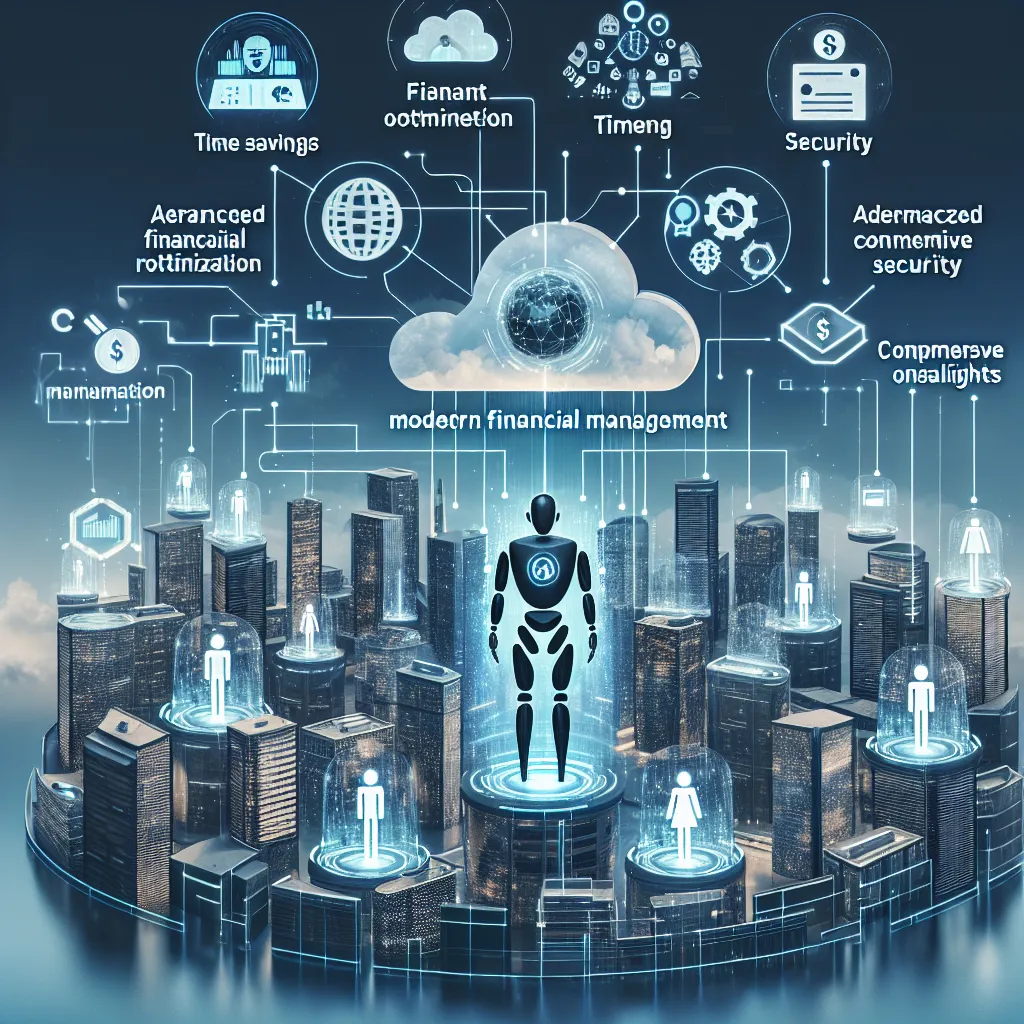
AI-Driven Transaction Bots autonomously manage routine consumer and business transactions, optimizing for factors like timing, payment method, and cost efficiency. These bots integrate with existing payment systems, handling everything from bill payments to purchases, while dynamically selecting the best payment options and timing for each transaction. They provide personalized financial management, learning from user behavior to refine decisions, and offer proactive risk management by adjusting strategies based on real-time analysis. Users benefit from time savings, enhanced financial optimization, improved security, and comprehensive insights, making these bots a powerful tool for modern financial management.
The Pitch
AI-powered agents that autonomously manage routine consumer and business transactions, from everyday purchases to complex financial operations. These bots would optimize transactions based on timing, payment method, cost efficiency, and user preferences, seamlessly integrating with existing payment infrastructures like bank accounts, credit cards, digital wallets, and even cryptocurrency wallets. The goal is to streamline the transaction process, reduce user involvement, and enhance financial decision-making.
Key Features and Differentiation:
Autonomous Transaction Management:
Current Gaps: While AI is used in some financial services (e.g., robo-advisors for investing), fully autonomous transaction management is still nascent. Most existing services require significant user input and are often limited to specific types of transactions.
Differentiation: AI-driven transaction bots would handle a wide range of transactions autonomously, from paying bills to booking travel or purchasing goods. Users could set preferences, and the bots would execute transactions on their behalf, minimizing the need for direct involvement. For example, a bot could manage all household bills, ensuring they are paid on time with the most cost-effective payment method.
Smart Payment Optimization:
Current Gaps: Existing payment systems often lack the capability to optimize transactions in real-time based on factors like rewards, fees, and user preferences. Users typically have to manually choose the best payment method for each transaction.
Differentiation: The bots would automatically select the optimal payment method for each transaction, considering factors such as available discounts, rewards programs, interest rates, and fees. For instance, for a large purchase, the bot might choose a credit card offering the highest cashback or a Buy Now, Pay Later (BNPL) option with no interest. This smart optimization ensures users get the best financial outcome with minimal effort.
Dynamic Transaction Timing:
Current Gaps: Most financial transactions occur immediately or on a scheduled basis, without consideration for optimal timing. Users rarely have the tools or insights to time their transactions for maximum benefit.
Differentiation: AI-driven bots could time transactions to capitalize on the best possible moment. For example, the bot might delay a currency exchange until it detects a favorable rate or wait to purchase a product until it predicts a price drop. This dynamic timing could be applied to a variety of scenarios, including stock purchases, bill payments, and travel bookings, maximizing financial efficiency.
Integration with Existing Payment Infrastructures:
Current Gaps: Many AI solutions operate within isolated ecosystems, limiting their utility across different payment platforms and financial institutions.
Differentiation: These bots would be designed to integrate seamlessly with a wide range of existing payment infrastructures, including banks, credit card networks, digital wallets, and even emerging cryptocurrency systems. This integration ensures that users can benefit from AI-driven transactions without needing to switch platforms or disrupt their existing financial arrangements.
Personalized Financial Management:
Current Gaps: While some financial tools offer basic personalization, they often fall short in providing tailored, proactive management based on individual user behavior and preferences.
Differentiation: The bots would continuously learn from user behavior, preferences, and financial goals to offer increasingly personalized services. Over time, they would refine their decision-making processes, becoming more attuned to the user’s financial habits and optimizing transactions to align with long-term financial objectives. For example, if a user prioritizes savings, the bot might focus on using payment methods that maximize savings or invest excess funds automatically.
Proactive Risk Management:
Current Gaps: Traditional financial services typically react to risks (e.g., fraud detection after the fact), rather than proactively managing potential risks before they impact the user.
Differentiation: AI-driven transaction bots would proactively manage risks by analyzing transaction patterns and external factors (such as market conditions or security alerts) in real-time. If a bot detects a potential risk, such as a sudden spike in interest rates or a security vulnerability in a payment platform, it could adjust the transaction strategy accordingly, such as delaying a transaction or switching to a more secure payment method.
Cross-Platform and Multi-Channel Support:
Current Gaps: Many AI financial tools are limited to specific platforms or channels, which restricts their accessibility and usability.
Differentiation: These transaction bots would support cross-platform and multi-channel usage, meaning they could operate across mobile apps, desktop applications, voice assistants, and even chat interfaces. Whether a user is at home, on the go, or interacting through a smart device, the bot would be able to manage transactions seamlessly.
Additional Value for Customers: Time and Effort Savings:
Users would save significant time by delegating routine financial tasks to the bots, freeing them from the need to manage every detail of their financial lives. This automation would particularly benefit busy professionals and businesses with complex financial operations.
Financial Optimization:
By automatically selecting the most cost-effective payment methods and timing transactions for maximum benefit, the bots would help users save money and maximize rewards. Over time, this could lead to substantial financial gains without the user needing to become a financial expert.
Enhanced Security and Risk Management:
The bots’ ability to proactively manage risks would offer users peace of mind, knowing that their transactions are being conducted in the safest possible manner. This feature would be especially valuable for users who frequently engage in high-value transactions or who are concerned about fraud and security breaches.
Comprehensive Financial Insights:
With access to a unified dashboard that tracks all transactions and optimizes payment strategies, users would gain better insights into their financial behaviors and outcomes. This visibility would help them make more informed decisions and manage their finances more effectively.
Customization and Control:
While the bots operate autonomously, users would retain full control over their financial strategies, with the ability to set preferences, override decisions, and fine-tune how the bots operate. This flexibility ensures that users can tailor the bots’ behavior to match their unique financial needs and goals.
Conclusion: The AI-Driven Transaction Bots represent a significant leap forward in financial automation, offering a level of personalization, optimization, and security that current solutions do not provide. By handling a wide range of transactions autonomously and optimizing them in real-time, these bots would save users time and money while enhancing their overall financial well-being. The integration with existing payment infrastructures and the ability to operate across platforms and channels would make this solution accessible and valuable to a broad range of consumers and businesses, setting it apart from current financial AI tools.