AI-Driven Status Syncing for Project Management
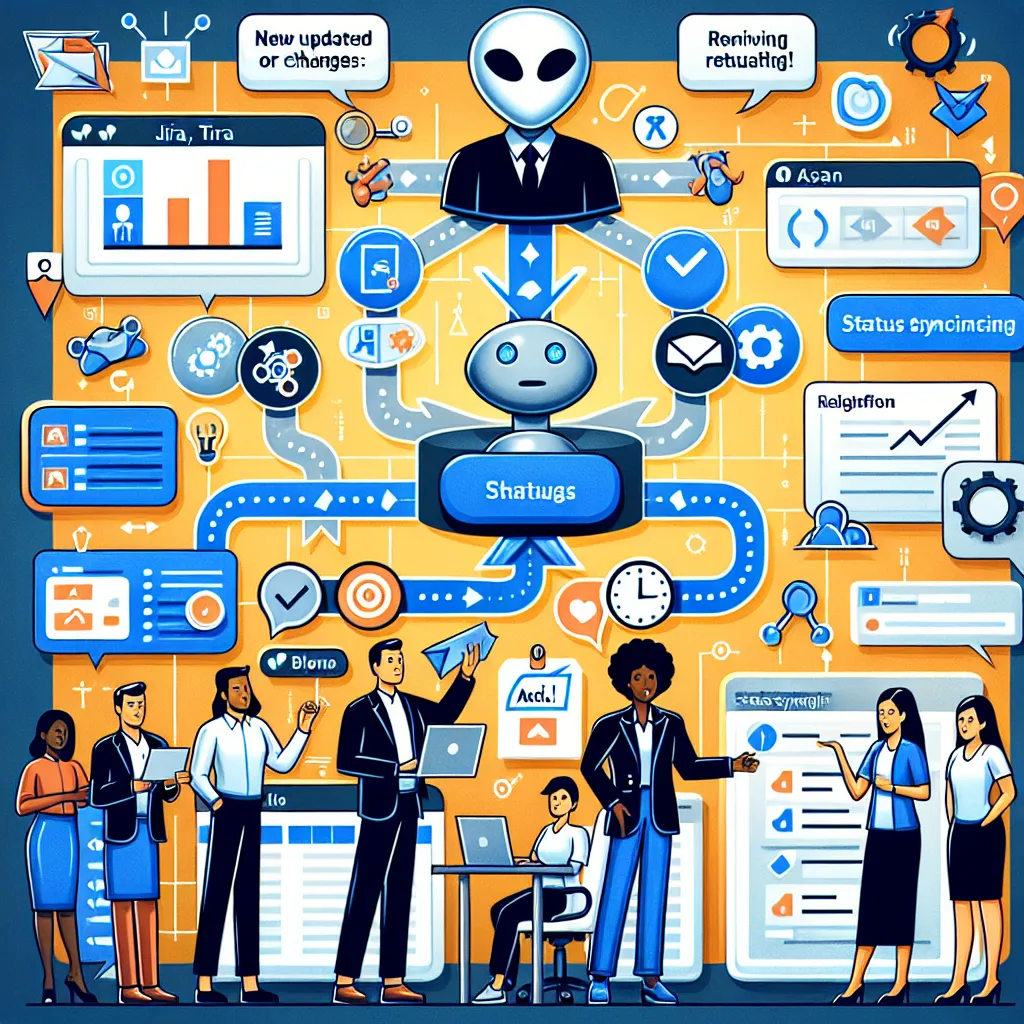
Teams often waste time manually updating multiple project management tools, like Jira and Slack, to keep everyone informed. An AI-driven status syncing solution would automatically update Slack channels or other communication platforms whenever a task status changes in Jira, Trello, or Asana. This eliminates redundant manual updates, reduces miscommunication, and ensures teams always have real-time project visibility. Users could set custom rules for notifications, filter updates to avoid unnecessary noise, and even receive intelligent summaries of key changes. By streamlining project communication, this tool would improve efficiency, reduce delays, and keep teams aligned effortlessly.
Description
No additional description provided.
The Pitch
Maintaining clear and consistent communication across various tools can often turn challenging. Teams typically juggle multiple platforms like Jira, Slack, Trello, and Asana to track project progress. This multitasking often leads to a wasteful overlap of duties, where team members spend considerable time manually updating each tool. This redundancy not only consumes time but also increases the risk of miscommunication.
Addressing this pain point, a solution leverages AI technology to seamlessly synchronize status updates across all project management and communication platforms used by a team. Whenever a task status is updated in one tool, such as Jira, the system automatically reflects this change in others like Slack channels. This automation ensures that all stakeholders are on the same page at all times, enhancing real-time visibility and collaboration.
The solution offers features that include the ability to set custom rules for how and when notifications should be sent, options to filter these updates to ensure only pertinent information is shared, and capabilities to deliver intelligent summaries that highlight crucial changes in project status. This not only simplifies the communication within teams but also significantly boosts productivity by cutting down on redundant tasks.
From a go-to-market strategy perspective, the initial focus will be on technology and software development companies, particularly those with agile teams familiar with using multiple project management tools. By targeting this segment, the solution can quickly address those most likely to experience pain from the current disjointed communication systems. Marketing efforts will utilize both direct sales channels and digital marketing, focusing on demonstrating value through webinars, targeted ads, and industry conferences.
The business model is based on a subscription service where users can choose from various tiers depending on their team size and feature needs. This model not only ensures scalability to different types of organizations but also provides the flexibility to adapt to various budgets and requirements. Additionally, premium tiers include advanced analytics and support options, appealing to larger enterprises or those with sophisticated needs.
In summary, this tool not only streamlines project management but also fortifies team alignment and decision-making, ensuring that organizations can focus more on delivery and less on management.