AI-Driven Spiritual Community for Modern Seekers
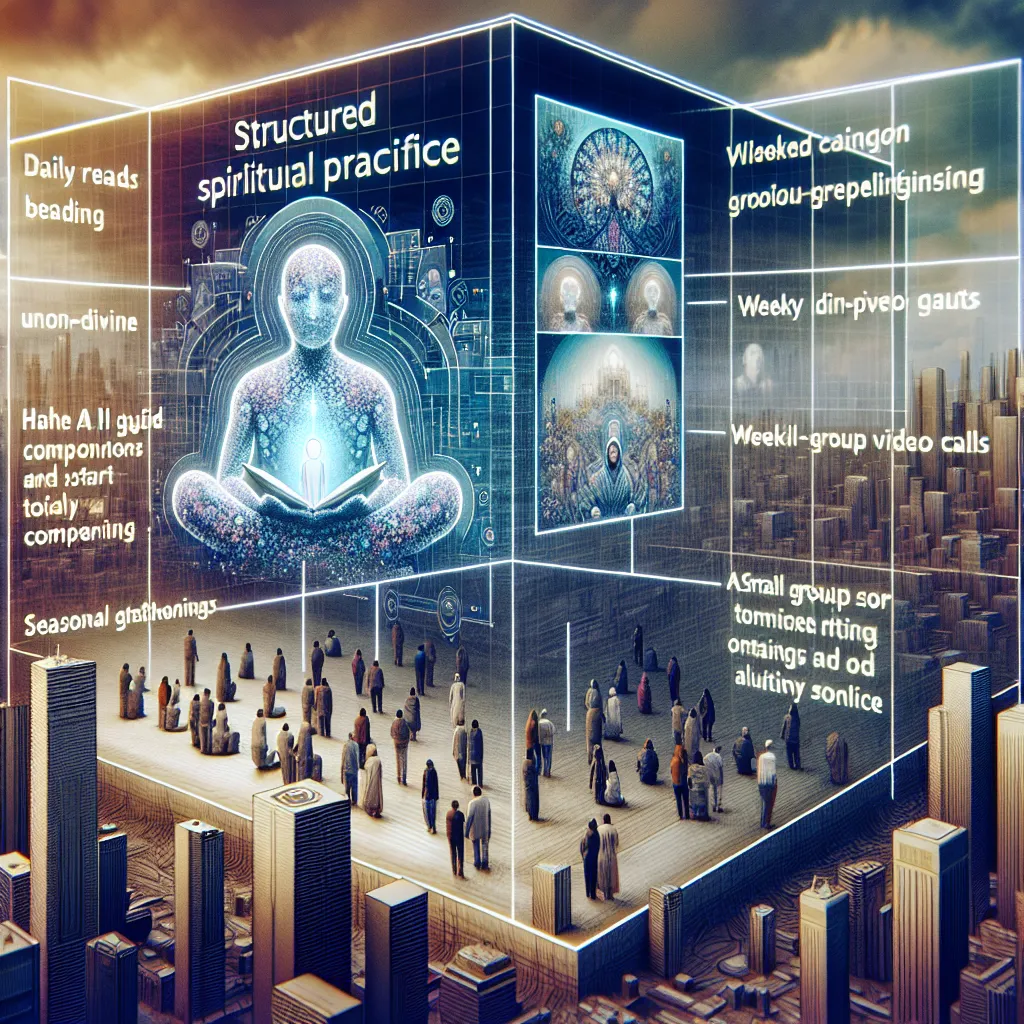
Religious affiliation in the US fell to 45% of adults in 2025, but the underlying human need for ritual, moral reflection, and community has not disappeared, and most "secular community" attempts have failed because they offer no anchoring practice. A product that builds a structured spiritual practice around an AI guide (daily readings, weekly small-group video calls, seasonal in-person gatherings) without claiming the guide is divine could land with the millions of "spiritual but not religious" adults already reporting loneliness and a search for meaning. The combination of widely used AI companions (Character.ai hit nine figures of users in 2024) and the surgeon general's 2024 loneliness advisory makes the demand side credible, but the failure mode of parasocial AI relationships means the product has to lean hard on the small-group human component. The wedge is a paid membership ($25/month) where each member is assigned to a 12-person cohort meeting weekly on video, launched among the urban professional 28–45 demographic.
Description
No additional description provided.
The Pitch
As of 2025, only 45 percent of adults in the United States identify with a religious affiliation. Despite this decline, the deep-rooted human desire for ritual, moral contemplation, and communal belonging remains strong. This unmet need has left a significant segment of the population—the spiritual but not religious individuals—searching for meaning and connectedness. Traditional secular communities have attempted to fill this void, yet most have struggled due to a lack of anchoring practices that offer structure and continuity.
**Problem**
The primary issue that this group faces is isolation and a lack of cohesive community structures that support their spiritual and emotional well-being. The isolation problem is highlighted by statistics and advisories, such as the 2024 report from the U.S. Surgeon General on loneliness. While AI companions have gained popularity, interactions with them often lack the depth and genuine connections that small-group human interactions provide.
**Solution**
Our proposed solution is an innovative product designed to create a structured spiritual practice facilitated by an AI guide. Combining technology with human interaction, it offers a hybrid model of spiritual experience: daily AI-driven readings for personal reflection, weekly small-group video calls for interactive discussion, and seasonal in-person gatherings fostering a physical sense of community. Importantly, this product respects the secular nature of its audience by not attributing any divine qualities to the AI guide.
**Product Details**
- **Daily Readings**: Each member will receive personalized daily reflections and exercises from the AI guide to encourage introspection and growth. - **Weekly Group Calls**: Members will be placed in cohorts of approximately 12 individuals. These groups will meet weekly via video calls to discuss guided topics, share insights, and support each other’s journeys. - **Seasonal Gatherings**: Four times a year, larger gatherings will be organized to bring together multiple cohorts in person for workshops, communal activities, and bonding experiences. - **AI Guide**: The AI component will utilize advanced conversational models to deliver relevant content and maintain member engagement. Its role is to supplement, not replace, the human interactions that are vital to the experience.
**Tools for MVP Launch**
- **AI Development Platforms**: Use platforms like OpenAI or Character.ai to build the prototype for the AI guide, ensuring it’s capable of offering meaningful and personalized exchanges. - **Video Conferencing Solutions**: Platforms such as Zoom or Microsoft Teams can facilitate effective weekly meetings among cohort members. - **Community Engagement**: Leverage platforms such as Meetup for organizing and managing in-person gatherings. - **Membership Management**: Use tools like Memberstack or Patreon to manage subscriptions and customer relationships efficiently. - **Feedback and Iteration**: Incorporate analytics tools like Mixpanel to gather user feedback and continuously improve the offering.
**Go-To-Market Strategy**
- **Target Audience**: Focus on urban professionals aged 28-45 who identify as spiritual but not religious. This demographic has shown a strong appetite for structured yet open-ended spiritual exploration and community building. - **Marketing Channels**: Utilize social media platforms like Instagram and LinkedIn to reach potential users. Host webinars and interactive sessions to demonstrate the product's value proposition. - **Partnership Opportunities**: Collaborate with influencers in the wellness and mindfulness space to broaden reach. Establish partnerships with organizations that serve a similar demographic but offer complementary services. - **Trial Offers**: Offer a free trial period to entice sign-ups and allow users to experience the benefit firsthand before committing financially. - **Community Building**: Foster an online community through platforms like Discord or Reddit to enhance user engagement and loyalty.
**Business Model**
A subscription-based model is proposed, pricing membership at $25 per month. This fee structure ensures accessibility while providing a sustainable revenue stream to support continuous development and community management. Additionally, premium offerings such as one-on-one guided sessions or exclusive workshops can be introduced as potential upsell opportunities.
The blend of technology, personal connection, and structured practice provides an engaging solution to the growing need for modern spiritual community, positioning the product to resonate deeply with its audience and thrive in the contemporary wellness landscape.