AI-Driven Product-Led Growth for B2B Success
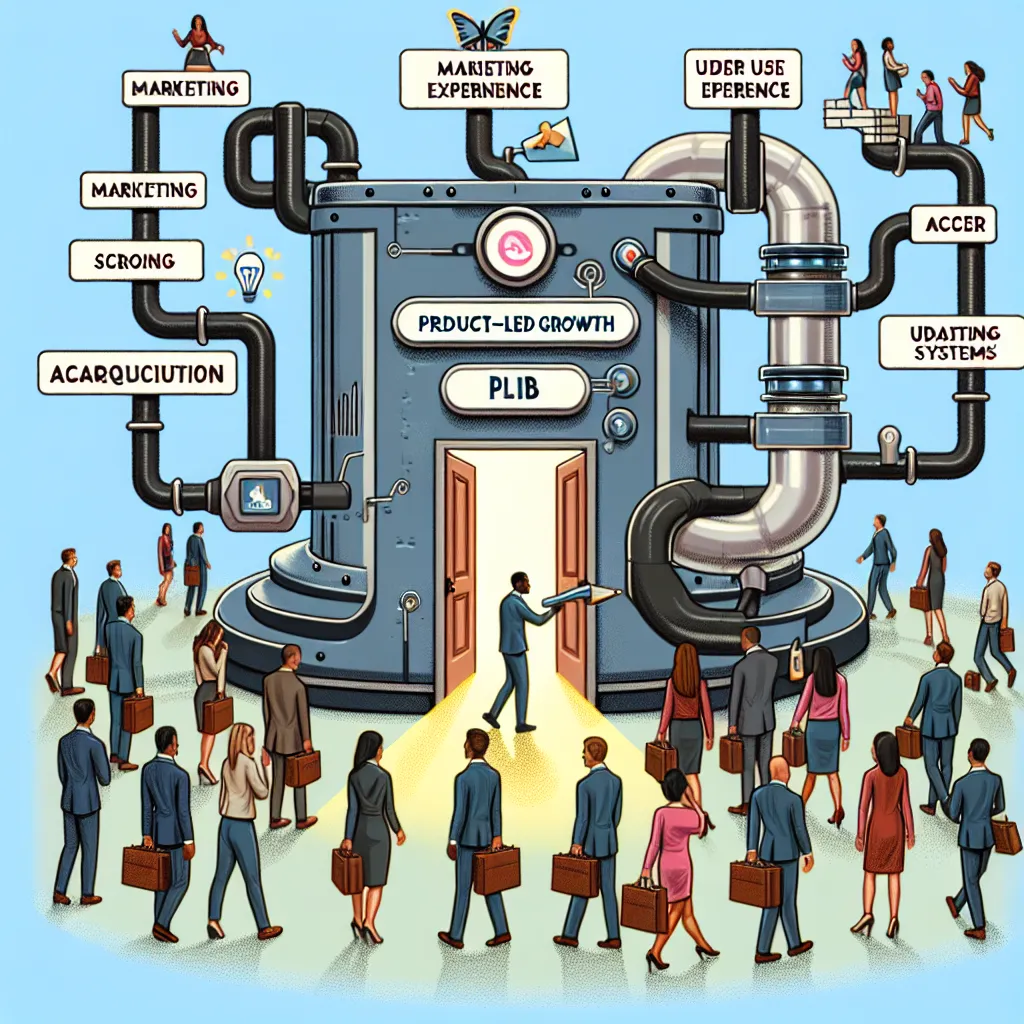
Product-led growth (PLG) flipped B2B on its head—no more cold calls to get in the door. Now the door is the product. Slack, Dropbox, Vercel, Supabase—they all proved that marketing and UX can be the acquisition funnel. But here’s the quiet crisis: most PLG companies have no idea who’s actually walking through that door. GTM teams rely on brute force—scraping emails from signups, dumping them into Slack, and making interns Google titles just to see if someone is worth a call. The result? Bloated sales calendars, burnt reps, and broken feedback loops driven by unqualified users. This is the bottleneck that AI was born to fix. A smart LLM-powered agent sits at the front of the funnel: enriches signups, filters against your ICP, scores leads, and automatically triggers tailored outbound across Slack, CRM, and LinkedIn. No more spreadsheets. No more guessing who to chase. Just more qualified calls, booked faster, by the right people. And because signup is the first touchpoint, this becomes the perfect wedge into a PLG-native, AI-first CRM—starting with ICP filtering, ending with full-cycle GTM automation. Forget the old B2B playbook. This is the new GTM stack.
Description
No additional description provided.
The Pitch
In the realm of business-to-business (B2B) software, Product-Led Growth (PLG) has transformed the landscape. Companies like Slack, Dropbox, and Vercel have demonstrated how a product itself can be the core engine for customer acquisition. The traditional sales model of endless cold calls has given way to a more intuitive system where the product opens the door for user engagement. Yet, despite the widespread adoption of PLG models, a pressing challenge remains unaddressed: identifying and prioritizing high-value leads.
**The Problem**
While the product serves as the entry point for potential clients, teams are often left scrambling to determine who these new users are and their value to the business. The existing approach involves time-consuming manual processes, such as scraping emails, laboriously Googling titles, and categorizing leads to assess their viability. The result is a disorganized and inefficient system that leads to overburdened sales teams, wasted resources, and missed opportunities due to misalignment between user profiles and company goals.
**Solution**
The introduction of a smart, large language model (LLM)-powered agent offers a revolutionary solution to this bottleneck. Positioned at the forefront of the PLG funnel, this AI-driven agent can:
- Automatically enrich new signups with comprehensive data. - Filter leads against defined Ideal Customer Profile (ICP) criteria. - Score these leads to prioritize engagement. - Trigger personalized outbound communications across platforms like Slack, CRM, and LinkedIn.
This approach eliminates the need for spreadsheets and removes the uncertainty of guessing which prospects to engage, enabling teams to focus on highly qualified opportunities.
**Product Details**
At its core, this AI-powered lead management tool is designed to streamline and automate the customer acquisition process. Key features include:
- **Data Enrichment:** Pulls data from various sources to provide a 360-degree view of potential leads. - **ICP Filtering:** Determines which users fit the company’s strategic goals and parities them accordingly. - **Lead Scoring:** Uses advanced algorithms to rank leads based on their likelihood to convert into valuable customers. - **Automated Outreach:** Deploys customized messages and touchpoints, reducing manual workload and ensuring timely follow-up.
**Tools for Easy Launch as an MVP**
To facilitate an efficient Minimum Viable Product (MVP) launch, consider these tools and platforms:
- **CRM Integration:** Use platforms like Salesforce or HubSpot for streamlined customer relationship management. - **AI Frameworks:** Leverage frameworks such as TensorFlow, PyTorch, or APIs from OpenAI for natural language processing capabilities. - **Automation Tools:** Integrate with Zapier or Integromat to connect various applications and automate workflows. - **Data Visualization:** Utilize tools like Tableau or Power BI to track and display lead engagement and conversion metrics.
**GTM Strategy**
Adopting a strategic approach to go-to-market (GTM) involves:
- **Targeted Campaigns:** Focus outreach efforts on sectors and companies aligning most closely with ICP criteria. - **Partnerships:** Build partnerships with PLG-focused resource channels and communities. - **Content Marketing:** Create insightful content showcasing the efficiency and benefits of AI-driven lead qualification. - **PILOT Programs:** Offer pilot programs to select clients to generate case studies and testimonials.
**Business Model**
The revenue model can be constructed around a subscription-based pricing structure, incorporating tiered pricing based on the volume of leads processed or additional features activated, such as advanced analytics or premium support. This model provides a predictable revenue stream while allowing scalability.
This innovative AI-driven platform marks the beginning of a new era in B2B customer acquisition. By focusing on intelligent automation and streamlined operations, businesses can transform their sales strategies, enhance customer interactions, and drive growth in a competitive marketplace.
---