AI-Driven Product Discovery for Smarter Decisions
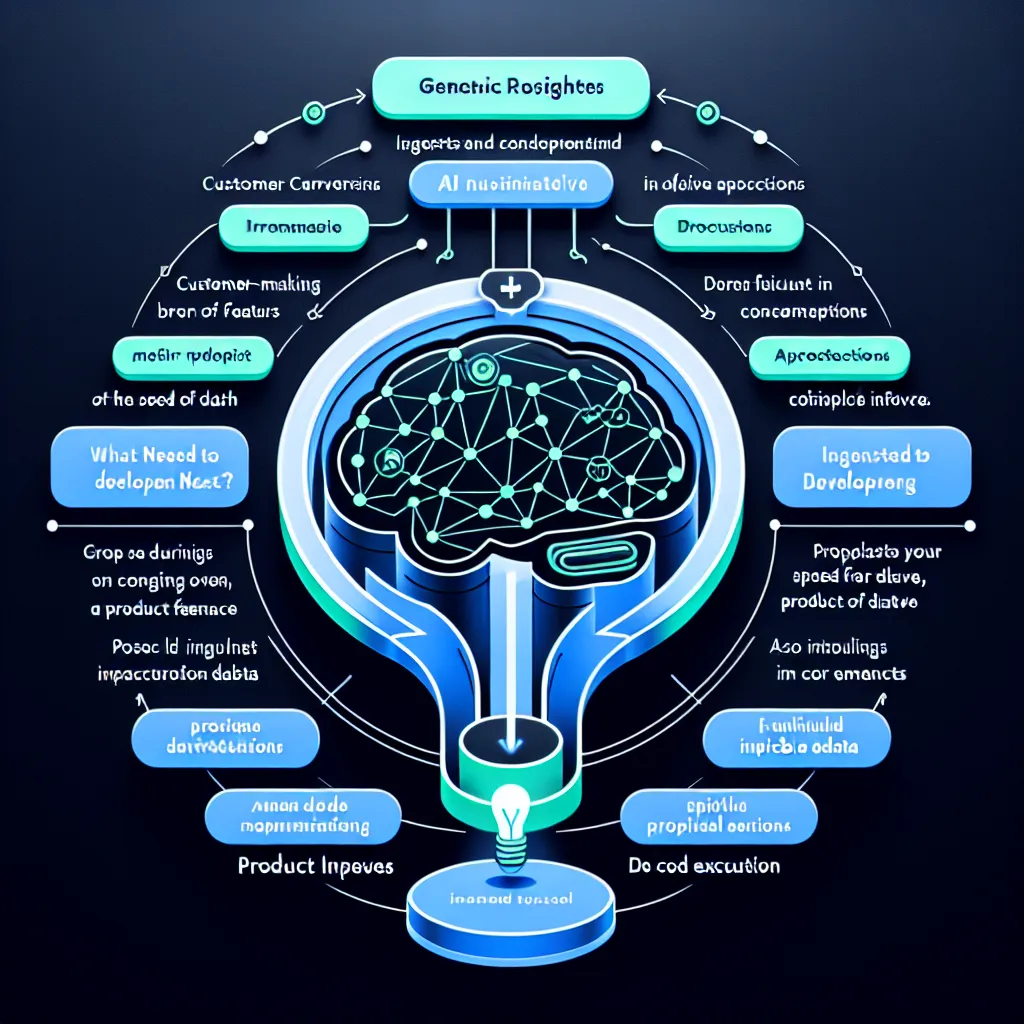
AI has made building software faster, but it hasn’t made building the right software any easier. While tools like Cursor and Claude Code excel once a decision is made, the hardest work still happens upstream: understanding users, synthesizing messy feedback, and deciding which problems are actually worth solving. That work—product discovery—remains fragmented across interviews, docs, Figma files, and tickets, with AI sprinkled in but never owning the full loop. The opportunity is an AI-native “Cursor for product management”: a system that ingests customer conversations and product data, then answers the real question—what should we build next, and why. Instead of generic insights, it produces concrete feature proposals grounded in user evidence, suggests specific UI and workflow changes, defines data implications, and translates intent into agent-ready tasks. This matters now because as AI agents increasingly handle first-pass implementation, decision quality becomes the bottleneck. The winners won’t be the teams that write code fastest, but the ones that decide best. Imagine uploading twenty customer interviews, asking what’s blocking retention, and getting back a ranked feature recommendation with quoted evidence, a Figma-level outline, and a clean handoff to your coding agent—turning product discovery from debate into execution.
Description
No additional description provided.
The Pitch
Understanding customers' needs and prioritizing product features is a complex challenge for many teams. Despite advancements in AI improving software development speed, determining which problems are worth solving remains a manual and often fragmented task. Current tools like Cursor and Claude Code serve well once decisions are made, but the crucial upstream work of product discovery—understanding users and synthesizing their feedback—remains disjointed, with data scattered across interviews, documents, design tools, and tickets.
The gap identified here is the absence of an integrated system specifically tailored for product management, one that harnesses AI to close the loop on product discovery. Such a solution would analyze customer conversations and product data to deliver actionable insights on what features to build next and why. This system would offer concrete proposals grounded in user feedback, suggest specific UI and workflow alterations, and define their data implications. Additionally, it would facilitate clean transitions into development by providing agent-ready tasks.
The opportunity is ripe for an AI-native product management tool that streamlines decision-making. As AI continues to take over initial development implementations, the ability for teams to make high-quality decisions becomes the primary competitive edge. Organizations that can swiftly and accurately translate user insights into prioritized development efforts will outpace those that merely focus on coding speed.
Imagine a scenario where a product team uploads a batch of customer interview recordings and product data, poses a question about retention barriers, and receives a prioritized list of feature recommendations complete with quoted user evidence and detailed design outlines. This result includes a seamless handoff to coding agents or development teams, transforming user debates into precise execution.
Tools and frameworks to consider for launching this minimum viable product (MVP) could include:
- Natural language processing (NLP) tools for extracting insights from qualitative data. - Workflow automation platforms to integrate various sources of customer insights and product data. - AI modeling frameworks that prioritize feature recommendations based on defined business goals. - Design tools like Figma, which can be integrated for generating UI proposals and design outlines.
For the go-to-market (GTM) strategy, targeting product teams within tech companies who face decision-making challenges is a start. Early adopters can be engaged through webinars, whitepapers, and case studies demonstrating the distinct competitive advantage of this tool. Strategic partnerships with AI-focused communities and product management forums could facilitate quicker market penetration.
The business model could involve a subscription-based approach, offering tiered pricing based on the number of analyses conducted or the volume of data processed. Offering a free trial version would encourage product managers to experience the benefits firsthand, while enterprise packages could cater to larger organizations with extensive product management needs.
This solution empowers product teams to make informed, user-driven decisions swiftly, thereby aligning development efforts closely with genuine user needs and business objectives.