AI-Driven Platform Optimizes Small Restaurant Operations
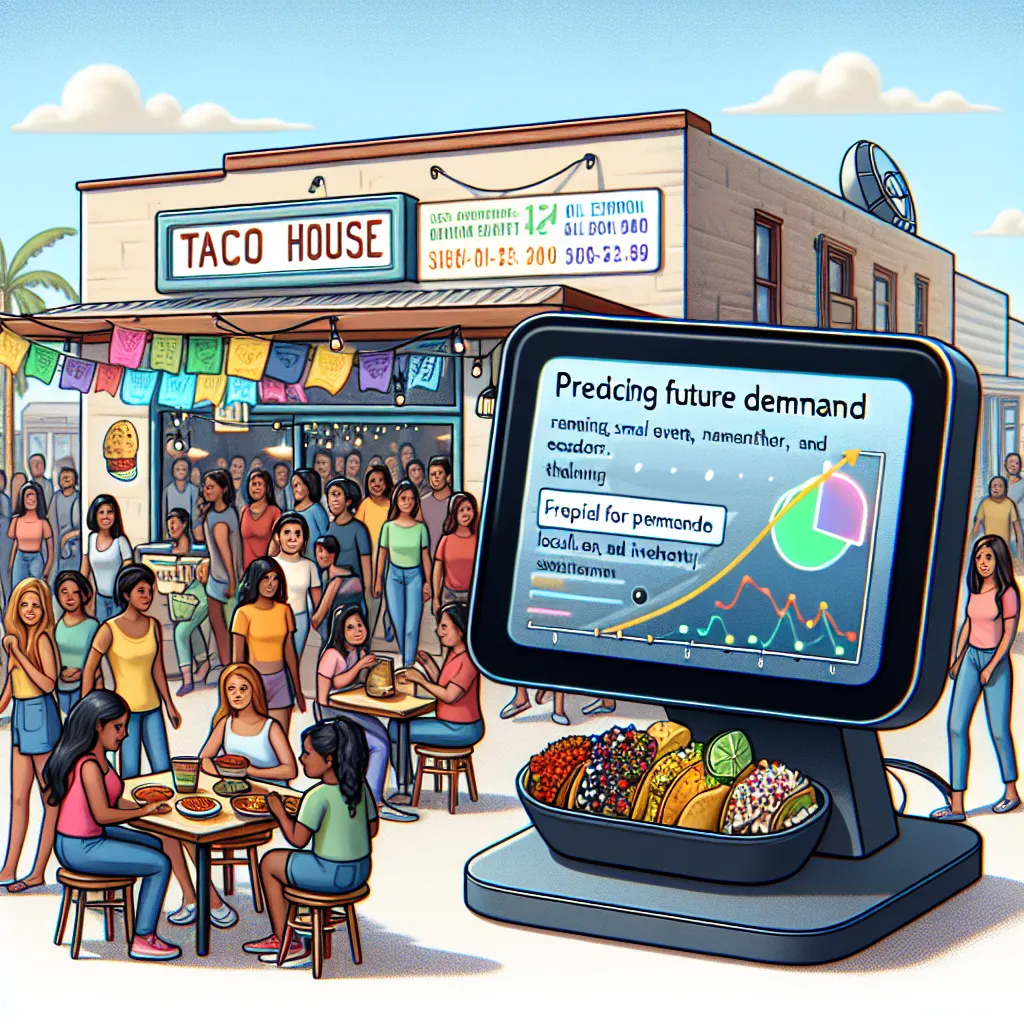
Small restaurants struggle with inventory waste, under- or overstaffing, and menu planning — but current systems are glorified spreadsheets. Solution: A real-time AI platform for restaurants: forecasting demand by time, weather, events; optimizing staff schedules; auto-generating dynamic menu recommendations based on local trends. Why Now: Big chains like McDonald’s and Yum! have AI labs; indie restaurants are left with guesswork. Example: A taco shop could automatically adjust its menu and staff levels based on forecasted demand during a local festival — no data scientist needed.
Description
No additional description provided.
The Pitch
Small restaurants frequently encounter difficulties with inventory waste, inaccurate staffing levels, and inefficient menu planning. These issues persist because current management systems offer little more than glorified spreadsheets, lacking the intelligence to provide actionable insights. This document explores a cutting-edge solution designed to equip small restaurant owners with a sophisticated, yet user-friendly tool that addresses these challenges effectively.
The Problem
Small restaurants operate in a dynamic environment where demand can fluctuate dramatically due to various factors such as time of day, weather conditions, and local events. This unpredictability leads to several operational challenges:
1. Inventory Waste: Inaccurately predicting customer demand often results in surplus stock, leading to spoilage and financial loss.
2. Staffing Inefficiencies: Understaffing can lead to poor customer service, while overstaffing increases operational costs, both of which affect the restaurant’s profitability.
3. Menu Planning: Without insights into current trends and customer preferences, restaurants struggle to offer attractive and relevant menu items.
Despite the availability of numerous management tools, most lack the advanced analytical capabilities required to address these specific pain points effectively.
The Solution
Introducing an AI-powered real-time platform tailored for small restaurants. This innovative system provides intelligent demand forecasting, staffing optimization, and dynamic menu recommendations, offering the following features:
1. Real-time Demand Forecasting: Leveraging AI algorithms, the platform predicts customer turnout by analyzing factors like time, weather, local events, and historical data.
2. Staff Optimization: Based on forecasted demand, the system suggests optimal staffing levels, ensuring adequate workforce while minimizing unnecessary labor costs.
3. Dynamic Menu Recommendations: By analyzing local trends, customer preferences, and current inventory levels, the platform can suggest menu adjustments to enhance both customer satisfaction and inventory management.
Why Now?
There is a growing disparity in the restaurant industry. While large chains such as McDonald’s and Yum! Brands have invested in AI labs to optimize operations, independent restaurants are left with limited tools and are often forced to rely on guesswork. This platform empowers small restaurants with the same technological edge, leveling the playing field.
Product Details
The proposed platform will be accessible via a user-friendly dashboard, designed to simplify complex data outputs into easy-to-understand insights. Key components include:
- A predictive analytics engine that processes real-time data inputs. - Visualization tools to present demand forecasts and suggested staff schedules. - An automated recommendation system for menu adjustments. - Integration capabilities with existing inventory systems for seamless operations.
Tools for Easy MVP Launch
To facilitate the launch of this platform, consider utilizing these tools:
1. Cloud Infrastructure: AWS or Google Cloud for scalable and reliable hosting solutions. 2. Machine Learning Frameworks: TensorFlow or PyTorch to develop the AI models. 3. Data Integration Tools: APIs to integrate seamlessly with existing point-of-sale or inventory management systems. 4. User Interface Design: Utilize frameworks like React or Angular for building intuitive dashboards.
Go-to-Market Strategy
1. Identify and target small to medium-sized restaurants with high volumes of traffic and dynamic operations. 2. Offer free trials or pilot programs to showcase tangible benefits using the platform. 3. Leverage partnerships with industry networks and food service associations for broader reach. 4. Develop content marketing strategies, including case studies and white papers, to educate potential users about the platform’s value.
Business Model
Adopt a subscription-based model with tiered pricing based on the size and specific needs of the restaurant. Offer basic, premium, and enterprise packages that differ in features and support levels. Additionally, explore revenue-sharing models with partner restaurants, aligning incentives for mutual growth.
Conclusion
This AI-driven platform stands to revolutionize how small restaurants manage their operations, offering a competitive advantage through data-driven decision-making. By providing sophisticated tools in an accessible format, small restaurant owners can optimize their operations much like their larger competitors, ultimately driving profitability and growth.