AI-Driven Plaque Monitoring for Heart Health
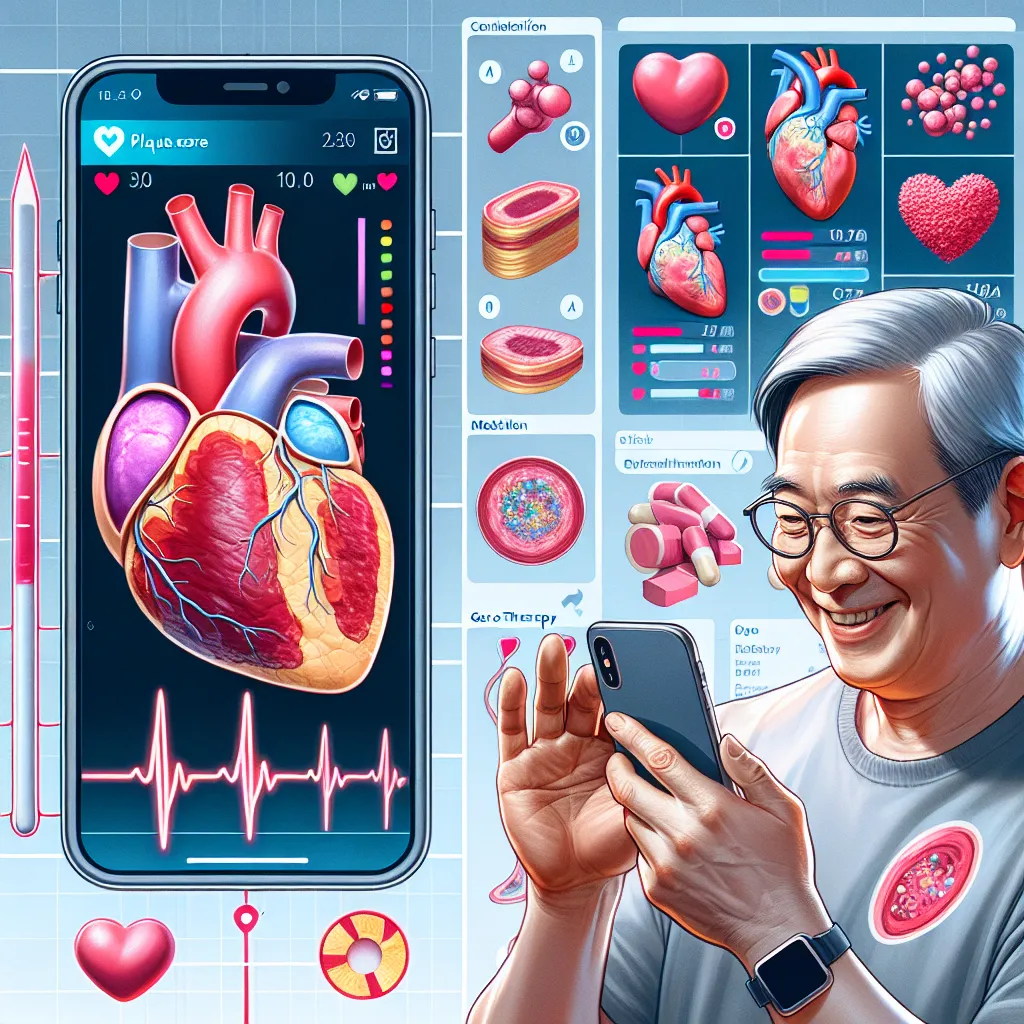
Traditional heart health focuses on managing cholesterol and lifestyle, yet millions still die from heart disease each year. The real culprit—plaque buildup—is rarely tracked directly. This startup reframes prevention by turning AI-enhanced coronary CT scans (CCTA) into a visual, gamified “plaque score” patients can monitor over time. Instead of waiting for a heart attack, users see how specific interventions—diet, medication, or gene therapy—shrink or stabilize dangerous plaque. AI tools already quantify plaque type, volume, and vulnerability more accurately than cholesterol alone. With this data surfaced in a simple scorecard app, users can finally understand and track real cardiac risk. Example: A 52-year-old with borderline cholesterol but high-risk soft plaque gets notified early and begins a successful targeted therapy regimen.
Description
No additional description provided.
The Pitch
Cardiovascular diseases remain a leading cause of death globally, with traditional approaches often focusing only on managing cholesterol levels and advocating lifestyle modifications. Despite these efforts, millions still succumb to heart disease annually. The root cause—arterial plaque buildup—often goes unmonitored until it is too late. This innovative approach aims to transform heart disease prevention by utilizing AI-enhanced coronary CT scans (CCTA) to create an engaging and accessible way for patients to track their heart health proactively.
Backstory:
In recent years, medical technology has advanced significantly, yet cardiovascular monitoring remains largely static. While cholesterol management is an essential component of heart health, it does not provide a complete picture of a patient's cardiovascular risk. The buildup of plaque in the arteries is a critical factor in heart disease, and traditional methods often overlook this until symptoms manifest or a serious event occurs. By reframing how individuals approach heart disease prevention, there is a potential to reduce the incidence of heart attacks and other cardiovascular events.
Problem:
The existing approach to heart health is reactive rather than proactive. Physicians and patients primarily rely on cholesterol levels as an indicator of heart health, neglecting the direct assessment of arterial plaque. This oversight contributes to missed opportunities for early intervention and precise treatment. Without a method to track plaque buildup directly, patients remain in the dark about their true cardiac risk, potentially leading to life-threatening situations.
Solution:
This innovative solution leverages AI-enhanced coronary CT scans to provide comprehensive data on plaque type, volume, and vulnerability. By converting this complex information into an intuitive, gamified plaque score, users can monitor their heart health over time. This approach enables individuals to understand the impact of specific lifestyle changes or medical interventions—such as diet modifications, medication, or gene therapy—on their heart health without having to wait for a critical event.
Product Details:
At the core of this solution is a user-friendly scorecard app that presents detailed plaque data in an accessible format. The application utilizes AI algorithms to analyze CCTA scan results and generate personalized scores. Users can view trends over time, set health goals, and receive customized recommendations based on their plaque profile. By visualizing their heart health journey, users are empowered to make informed decisions and take proactive steps toward reducing their cardiac risk.
Tools for MVP Launch:
To bring this concept to life, several key technologies and tools can be employed:
1. AI and Machine Learning Algorithms: Utilize existing AI frameworks for analyzing CCTA scan data to identify and quantify plaque characteristics.
2. Mobile Application Development: Create an intuitive and visually appealing app interface using platforms such as React Native or Flutter to ensure cross-platform compatibility.
3. Cloud Computing: Leverage cloud services like AWS or Google Cloud for data storage, processing, and secure sharing of personal health information.
4. Partnerships with Medical Institutions: Collaborate with hospitals and clinics to access anonymized CCTA data for training and validating AI models.
GTM Strategy:
The go-to-market strategy involves building strategic partnerships with healthcare providers, cardiologists, and insurance companies to advocate for early detection and monitoring of plaque buildup. An initial pilot program can be launched in collaboration with select medical centers to demonstrate the efficacy of the solution. Emphasizing the potential for improved patient outcomes and long-term cost savings can drive adoption among healthcare stakeholders.
Marketing efforts can focus on patient education, highlighting success stories and testimonials from users who have benefited from the early intervention insights provided by the app. Engaging content such as webinars, workshops, and informative videos can further raise awareness and promote the importance of proactive heart health monitoring.
Business Model:
The business model can be built around a subscription-based service, offering users access to the advanced features of the app and regular updates on their heart health status. A tiered pricing model can provide options for basic monitoring and premium features, including personalized health coaching and real-time consultation with healthcare professionals.
Additionally, partnerships with insurance companies could offer potential for coverage or discounts, incentivizing users to adopt proactive heart health monitoring. Providing healthcare systems with aggregated and anonymized data could also present a revenue stream while contributing to broader cardiac research efforts.
Conclusion:
By reframing the approach to heart disease prevention, this solution offers a proactive, data-driven alternative to traditional methods. Through AI-enhanced monitoring and an accessible user interface, individuals are empowered to take control of their heart health, potentially reducing the risk of heart attacks and saving lives. As the healthcare landscape continues to evolve, this approach positions itself at the forefront of personalized, preventative medicine.