AI-Driven Multi-Party Collaboration Platform Launches
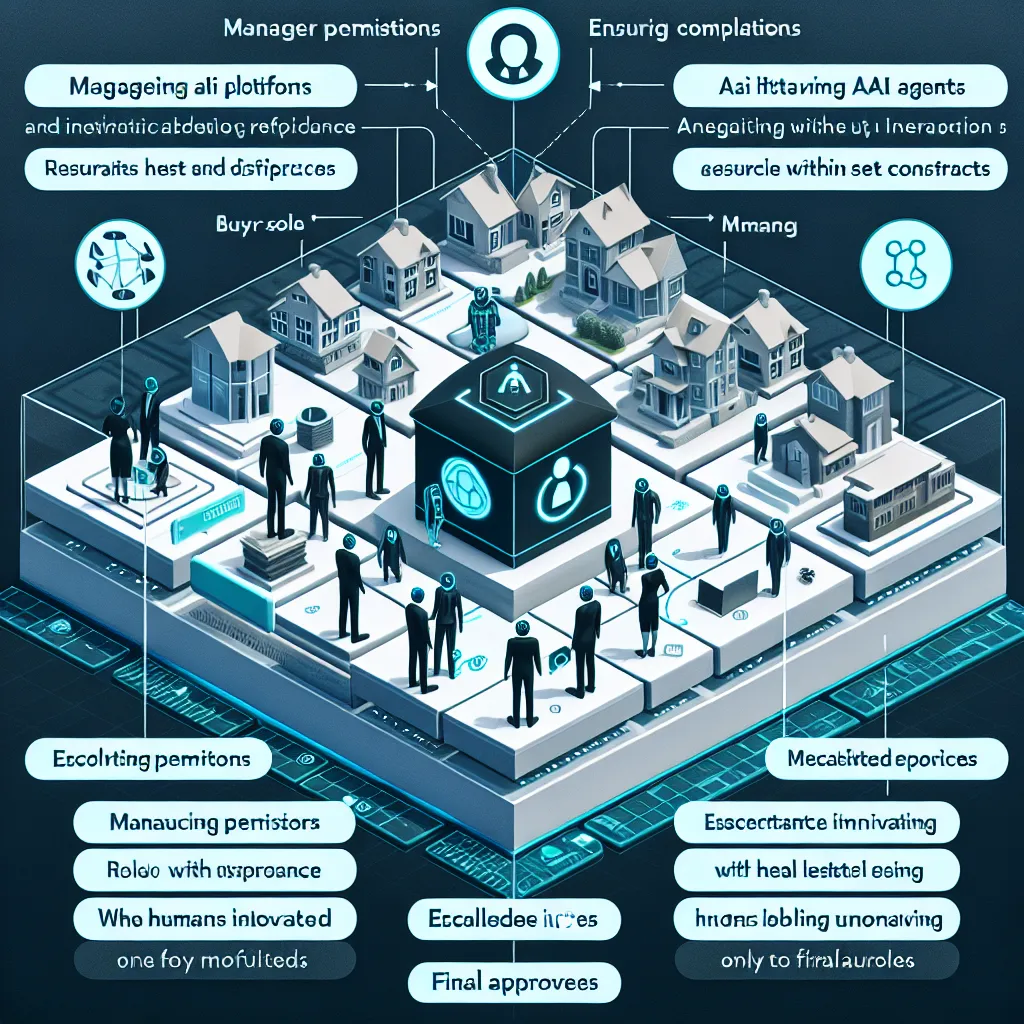
Most industries require multi-party collaboration: buyers and sellers, tenants and vendors, CFOs and analysts. This platform coordinates AI agents across stakeholders, handles permissions and compliance, and negotiates within constraints, escalating only when asymmetries appear. It’s the Stripe Connect for cross-agent collaboration. Why now: vertical AI has matured, but all value breaks at the handoff points. Example: in a real estate transaction, buyer agent, seller agent, inspection agent, and financing agent collaborate, resolve discrepancies in minutes, and route humans only for final approval.
Description
No additional description provided.
The Pitch
In various industries, multi-party collaboration is a crucial component of successful transactions and operations. Whether it's a real estate deal, a supply chain management process, or financial analysis, effective communication and collaboration among stakeholders are vital. There is often a disconnect at the handoff points between different parties, leading to inefficiencies and delays. This solution focuses on creating a platform that coordinates AI agents to facilitate seamless collaboration across stakeholders, while ensuring compliance and negotiating constraints effectively.
The Problem The handoff points in multi-party collaboration are where most value is lost. In industries like real estate, the lack of coordination among buyer agents, seller agents, inspection agents, and financing agents results in prolonged negotiations and increased chances of discrepancies. These delays can escalate costs and introduce risks, ultimately affecting the satisfaction of all parties involved. Many current systems do not adequately address the need for orchestrated collaboration, leading to challenges that require human intervention more frequently than necessary.
The Solution Introducing a platform that acts as the connective tissue for cross-agent collaboration. This platform leverages AI agents to manage stakeholder interactions, coordinate permissions, and maintain compliance. The AI agents are capable of conducting negotiations within pre-set constraints and escalate only when significant asymmetries arise that require human judgment.
Product Details 1. AI Coordination: AI agents are designed to understand the roles and responsibilities of each stakeholder, ensuring that all parties have access to the necessary information and resources. 2. Permissions Management: The platform handles permissions to ensure that each participant can only access the data and documents they are authorized to. 3. Compliance and Regulation: Built-in compliance mechanisms ensure that all transactions adhere to industry regulations, reducing the risk of non-compliance. 4. Automated Negotiation: The AI agents negotiate terms and conditions within defined constraints and only escalate to humans when there is a significant disagreement or anomaly. 5. Seamless Integration: The platform can integrate with existing tools and systems, minimizing disruption and facilitating smoother transitions.
Tools for MVP Launch - AI Development Frameworks: Use frameworks like TensorFlow or PyTorch to develop and train AI agents. - Cloud Platforms: Utilize AWS, Google Cloud, or Azure for hosting and scalability. - API Integrations: Leverage APIs to connect to industry-specific tools and services. - Compliance Software: Implement solutions like Vanta or Drata for compliance management.
Go-to-Market Strategy 1. Target Industries: Initially focus on industries with evident multi-party collaboration inefficiencies, such as real estate, finance, and supply chain management. 2. Strategic Partnerships: Collaborate with industry leaders and technology partners to drive adoption and credibility. 3. Awareness Campaigns: Launch targeted marketing campaigns to educate potential clients about the value proposition and benefits of the platform. 4. Pilot Programs: Offer pilot programs for key clients to demonstrate efficacy and gather feedback for further improvement.
Business Model The platform will adopt a subscription-based model with tiered pricing. Tiers are structured based on the number of users, transaction volume, and the level of customization required. Additional revenue streams can be explored through premium features or services like advanced analytics and support.
Conclusion By addressing the critical handoff points in multi-party collaborations, this platform has the potential to significantly enhance efficiency, reduce costs, and improve client satisfaction across various industries. With the right tools and strategies in place, launching this as a minimum viable product and scaling it into a market leader is not only feasible but also promising.