AI-Driven Microfactories for Small Businesses
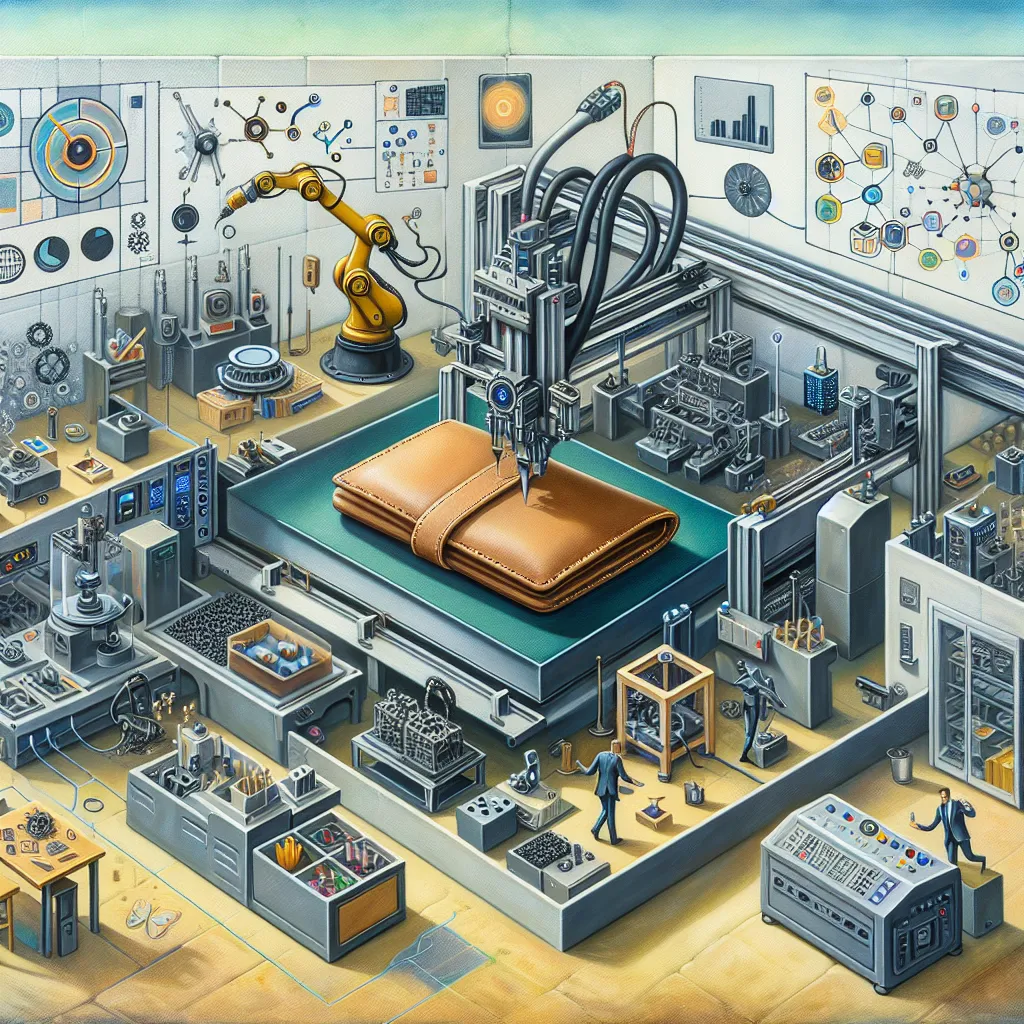
Small businesses and creators often dream of producing physical goods but lack the capital and expertise to scale manufacturing. This system offers a modular microfactory—robot arms, 3D printers, CNC machines—all managed by a single AI layer that optimizes workflows, auto-generates toolpaths from CAD files, and troubleshoots production in real-time. A local leatherworker could design a wallet, upload the file, and the system would cut, stitch, and finish it autonomously. It’s like AWS for physical products: production as a service, without outsourcing.
Description
No additional description provided.
The Pitch
In recent years, the barrier to entry for producing physical goods has remained formidable for many small businesses and creators. While digital platforms have reduced the cost of distributing ideas and software, the same cannot be said for physical products. This document describes a groundbreaking solution that democratizes manufacturing, making it accessible for anyone with a creative vision and a desire to produce goods without the need for vast capital or deep expertise in the manufacturing sector.
Backstory:
Small businesses and individual creators have always dreamed of expanding their portfolios to include physical products. However, traditional manufacturing presents many roadblocks including high costs, logistical challenges, and the need for specialized technical skills. Many have to rely on third-party manufacturers who require large minimum order quantities, which can be prohibitive. This often leaves smaller businesses stuck in a cycle of reactivity, unable to test their products on a small scale and iterate based on customer feedback.
Problem:
The primary issues faced by small businesses and creators in manufacturing are:
1. High initial capital investment required for traditional manufacturing equipment. 2. Lack of expertise and experience in managing complex production processes. 3. Dependence on third-party manufacturers, leading to higher costs and longer lead times. 4. The inflexible nature of current manufacturing systems, limiting agility and rapid prototyping. 5. Inability to produce goods at scale without committing to large production runs.
Solution:
Introducing our Modular Microfactory System, which empowers creators and small businesses to prototype and scale their own manufacturing capabilities without traditional constraints. By utilizing an integrated, AI-driven system, this platform offers production as a service, eliminating barriers and enabling autonomous, scalable physical product creation.
Product Details:
The Modular Microfactory System comprises: - Robot Arms: Automated handling and assembly tasks. - 3D Printers: For rapid prototyping and custom components. - CNC Machines: For precision cutting and machining. - AI Management Layer: Controls and optimizes the entire production line, automatically generating toolpaths from CAD designs and overseeing real-time error handling and troubleshooting. - User-Friendly Interface: Allowing users to upload designs and manage production workflows effortlessly.
The system operates much like a local production cloud (think of it as AWS for physical products), delivering flexibility and efficiency akin to digital services.
Tools for Easy Launch and MVP Creation:
1. CAD Software: Designers can use tools like Fusion 360 or SolidWorks to create product designs. 2. AI Development Platforms: Use TensorFlow or PyTorch to customize AI workflows and integration. 3. Automation Software: Implement tools like Robotic Process Automation (RPA) for seamless interactions. 4. Prototyping Tools: Utilize software like OnShape for virtual prototyping and SimScale for simulation before physical prototyping. 5. Manufacturing Management Tools: Implement Odoo or Katana for inventory and production management.
GTM Strategy:
1. Target Audience: Focus on small businesses, artisans, and creators seeking an integrated production solution. 2. Partnerships: Collaborate with maker spaces, innovation hubs, and business incubators to reach potential users. 3. Online Community Building: Create forums or social media groups where users can share experiences and tips. 4. Workshops and Webinars: Host educational events to showcase product capabilities and facilitate networking. 5. Influencer Collaboration: Partner with thought leaders in the maker and small business communities to demonstrate use cases.
Business Model:
1. Subscription Model: Offer tiered pricing based on the scale of production and access to additional features. 2. Lease-to-Own: Provide a flexible payment model that allows users to own equipment after a set period. 3. Pay-per-Use: Allow customers to pay for actual production time, accommodating variable needs without upfront commitment. 4. Training Services: Offer additional courses or consultancy packages for advanced training and support.
Conclusion:
The Modular Microfactory System presents a paradigm shift in the manufacturing industry, significantly lowering barriers for small businesses and creators to enter the market. By offering an all-in-one, agile, and scalable manufacturing solution, we empower a new generation of makers to bring their physical products to life efficiently and effectively.