AI-Driven Marketplace for Inherited Collectibles
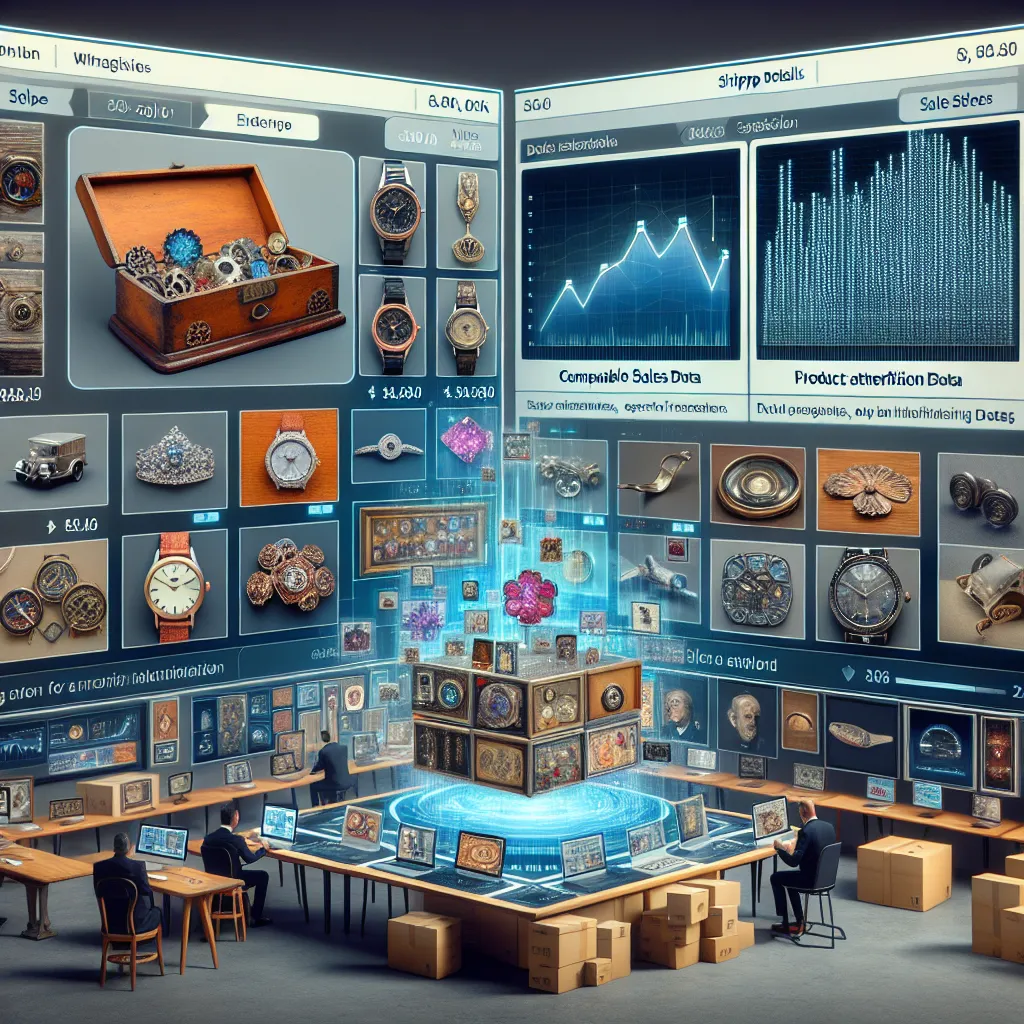
Inherited collectibles are a pricing black hole. People fear selling something for too little or keeping worthless junk because they don’t know the value. The solution is a specialized marketplace for inherited items where valuation happens automatically using AI and comparable sales data, combined with a curated buyer network for antiques, vintage, and collectibles. Why now: traditional marketplaces are noisy and inefficient, and millions of inherited items are about to enter circulation. Example: someone inherits a box of vintage watches, uploads photos, gets a dynamic price estimate and sale recommendations, then sells directly to buyers on the platform with shipping, escrow, and authentication handled.
Description
No additional description provided.
The Pitch
Inherited collectibles often present a unique challenge to those who come into possession of them. Many people find themselves sitting on items that could either be valuable treasures or simple trinkets, with no clear way to determine which is the case. The fear of inadvertently selling a valuable item for too little or holding onto something that is essentially worthless can be paralyzing.
The primary issue is the lack of accessible, accurate valuation combined with a straightforward selling process tailored for inherited collectibles. Traditional marketplaces tend to be overwhelmingly noisy and inefficient, catering to a broad audience without offering the necessary expertise or focus. This creates difficulties not only in accurate item appraisal but also in reaching the right buyers who understand the true value of these items.
To address this challenge, a specialized marketplace can be developed for inherited collectibles. This marketplace would utilize AI-driven valuation models, leveraging data from comparable sales to provide dynamic price estimates. This automated valuation is designed to give users confidence and clarity about the items they possess. Once valued, items can be directed toward a curated network of buyers who specialize in antiques, vintage items, and collectibles.
The need for such a solution is growing due to the looming influx of inherited items entering the market. As older generations pass down their belongings, millions of items are becoming available, amplifying the demand for a streamlined, reliable, and expert-led platform.
Here's an illustrative example: Imagine an individual inherits a box of vintage watches from a relative. They could upload clear photos of each watch to the platform. The AI-powered system would then analyze these images, cross-referencing them with a robust database of comparable sales, to deliver a price estimate and sales strategy. The seller would receive recommendations for listing the watches alongside similar items and could proceed to sell directly on the platform. Integrated logistics services such as shipping, escrow, and authentication would ensure a secure and efficient transaction.
To make launching this as a Minimum Viable Product (MVP) manageable, the following tools and technologies could be employed:
1. AI and Machine Learning Platforms: Leveraging pre-built tools like Google's AutoML or IBM's Watson can simplify the process of building the AI valuation model. 2. E-commerce Solutions: Shopify or WooCommerce can serve as a foundation for setting up the marketplace infrastructure. 3. Cloud Hosting: AWS or Azure provide scalable solutions to handle data storage and processing needs. 4. Security Protocols: Implement robust encryption and escrow services to secure transactions and build trust.
For a Go-to-Market (GTM) strategy, targeted digital marketing campaigns can effectively reach potential users. Collaborations with genealogy and estate planning organizations could also present opportunities to raise awareness. Word-of-mouth can be fostered through influencers or experts in the antiques and collectibles space. Adding value by producing content such as blogs or videos on the platform’s benefits can further enhance visibility and educate the audience.
The business model could be commission-based, where the platform takes a percentage of each sale. Additional revenue streams might include premium services such as detailed appraisals, personalized consultations, or seller’s insurance to protect high-value transactions.
Overall, by focusing specifically on inherited collectibles, this platform could fulfill a significant market need, offering both sellers and buyers an efficient, transparent, and reliable avenue for exchanging highly unique and potentially valuable items.