AI-Driven Job Simulation for Career Exploration
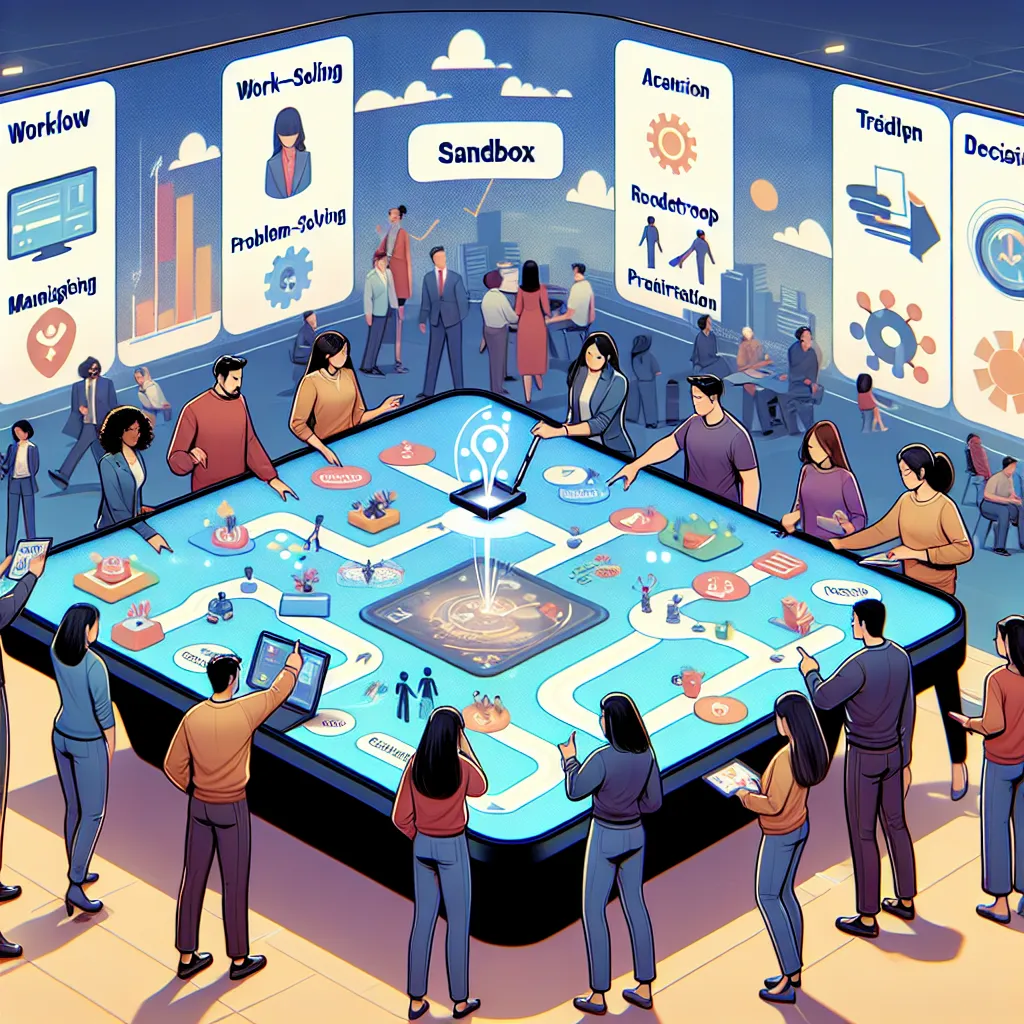
People often choose careers based on vague expectations or job descriptions, only to realize the daily experience isn’t what they hoped. Changing jobs is costly, emotionally and financially. A better approach would be to let users “test drive” a job — not by reading about it, but by simulating the experience. Using AI, it’s now possible to recreate realistic workflows, meetings, problem-solving tasks, and decision-making scenarios that mirror what the job entails. A person exploring product management might run through a challenge involving stakeholder feedback, roadmap prioritization, and a sprint retrospective — all within a dynamic, interactive sandbox. This allows for self-discovery, but also for better hiring fit. It turns career exploration into something you do, not something you guess.
Description
No additional description provided.
The Pitch
In today's fast-paced job market, people often embark on career paths based on idealized notions or traditional job descriptions, only to find out that the day-to-day reality doesn't align with their expectations. This misalignment can be costly, both emotionally and financially, leading to dissatisfaction, job hopping, and wasted resources for both employers and employees.
The conventional methods of career exploration, such as reading job descriptions or conducting informational interviews, fall short in providing a true sense of what a job entails. A more effective method would allow individuals to test drive a career, experiencing key aspects of the job environment before making a commitment.
Utilizing the power of artificial intelligence, it is now possible to create immersive simulations that replicate the true workflows, meetings, problem-solving tasks, and decision-making scenarios of a given role. This approach transforms career exploration into an experiential activity, enabling individuals to assess their fit for the role and gain valuable insights into its realities.
For example, someone interested in a career in product management could engage with interactive scenarios that simulate gathering stakeholder feedback, prioritizing a product roadmap, and analyzing the outcomes of a sprint retrospective. Through this dynamic immersion, users gain practical understanding and self-discovery, ultimately leading to more informed career decisions and improved hiring fits.
Product Details and Tools:
1. **AI-Powered Simulations**: Develop realistic job simulations using machine learning algorithms that adapt to user interactions, providing personalized and authentic job experiences.
2. **Interactive Scenarios**: Craft scenarios based on real-world tasks and challenges experienced by professionals in the target role. These scenarios should be designed with input from industry experts to ensure authenticity.
3. **Feedback and Analytics Dashboard**: Implement a feedback system where users can reflect on their experiences. An analytics dashboard would provide insights into user engagement and success metrics, offering data-driven improvements.
4. **Modular Design**: Create a platform that can be easily customized for different industries and roles, keeping it versatile and scalable.
5. **Integration with Career Platforms**: Build APIs that allow integration with popular career portals and LinkedIn, enabling seamless user experience and broader reach.
Tools to Launch MVP:
- **Unity or Unreal Engine**: Use these platforms to build immersive, interactive 3D simulations that provide a visually engaging experience.
- **TensorFlow or PyTorch**: Employ these AI frameworks for developing the backend algorithms that drive adaptable and realistic simulations.
- **Figma or Sketch**: Design intuitive user interfaces that guide users smoothly through their simulated experience.
- **Slack or Microsoft Teams Integration**: Allow users to incorporate common work communication tools into their simulation to further mimic the actual job environment.
Go-To-Market Strategy:
1. **Target Early Adopters in Tech and Education**: Start with roles that are in high demand but misunderstood, collaborating with education institutions and tech companies.
2. **Partnerships with Career Services**: Work with universities and career counseling services to reach students and career changers who are actively exploring paths.
3. **Social Media and Influencer Campaigns**: Leverage influencers in career development and job search spaces to showcase the platform and its benefits.
4. **Content Marketing**: Develop content around career fit, industry insights, and how immersive experiences can revolutionize career exploration.
Business Model:
- **Subscription Model**: Offer monthly and annual subscriptions for individual users, providing ongoing access to a library of role simulations.
- **Enterprise Solutions**: Provide tailored solutions for businesses looking to improve hiring processes and candidate fits, offering custom scenarios and analytics.
- **Freemium Model**: Provide basic simulations for free with the option to upgrade for more in-depth experiences and features.
- **Partnership and Integration Fees**: Charge for API integrations and co-branded partnership packages with career development platforms.
By creating an interactive, immersive platform for career exploration, individuals can make more informed decisions, decreasing job turnover rates and improving job satisfaction and productivity. The blend of AI and real-world scenarios holds transformative potential for how we view and choose our careers, bridging the gap between expectation and reality.