AI-Driven Insights for Enterprise Decision Making
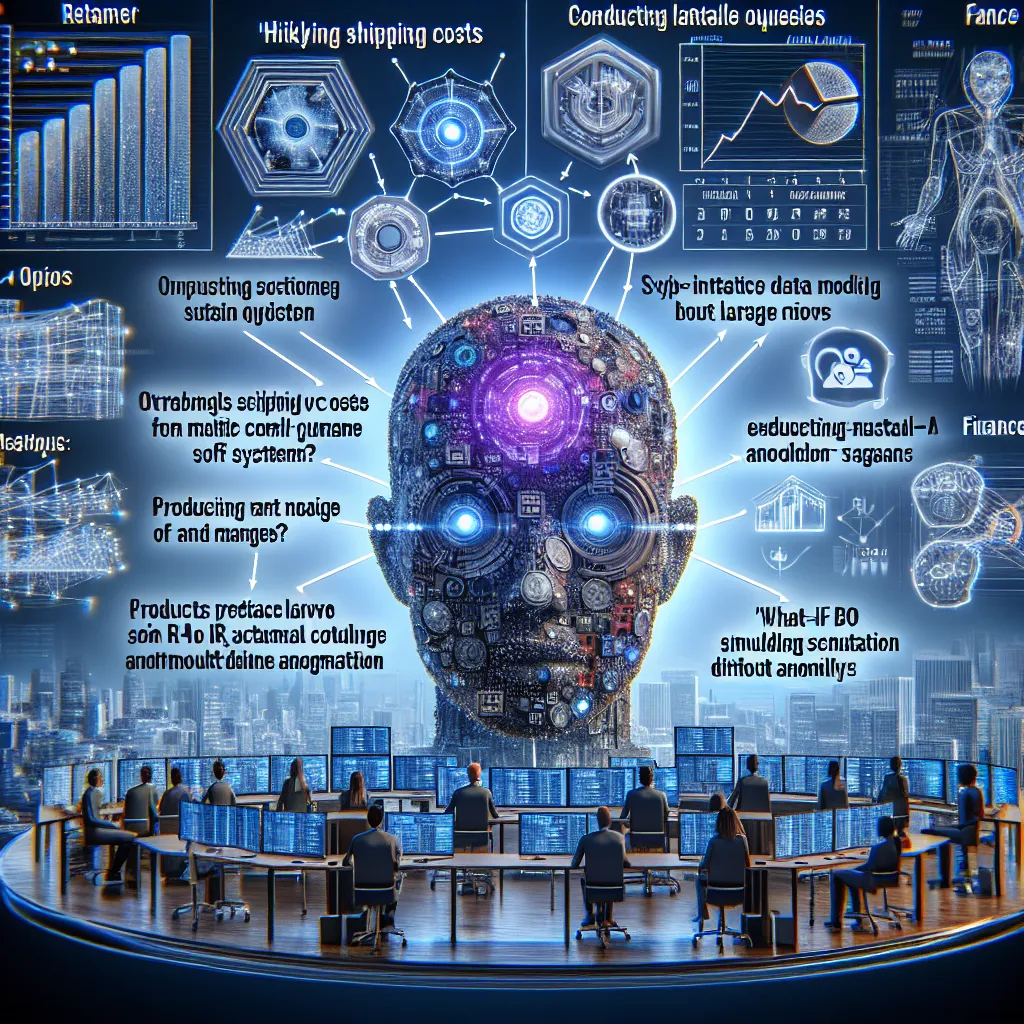
Every enterprise has “systems of record” — Salesforce for customers, Workday for HR, Oracle for finance. They’re great at storing data, terrible at decision support. Leaders end up with 30 dashboards and still no clarity. The solution: an AI layer that sits on top of these SoRs, pulls real-time data, and provides predictive insights, “what-if” simulations, anomaly detection, and natural language Q&A. Why now: the rise of large context windows + RAG makes it finally possible to stitch across multiple data silos without rewriting everything. Example: A retail CFO types “What happens to Q4 margins if shipping costs rise 20%?” and instantly gets a modeled scenario pulling from Oracle, SAP, and logistics feeds — without ever touching a BI team.
Description
No additional description provided.
The Pitch
In the complex world of enterprise operations, companies rely on various systems of record to manage different functions. Salesforce handles customer data, Workday manages HR information, and Oracle oversees financial transactions. While these systems are excellent at storing specific types of data, they fall short when it comes to decision support. Leaders often find themselves juggling multiple dashboards without achieving the clarity they need to make informed decisions. The opportunity for innovation lies in developing a solution that bridges these gaps and empowers leaders with actionable insights.
Problem Statement: Enterprise leaders struggle with synthesizing information from disparate systems of record. Each system provides its own set of reports and dashboards, leading to fragmented data views. This lack of integration complicates decision-making, causes delays, and increases the potential for errors. Extracting meaningful insights requires significant manual effort, often involving business intelligence teams and resulting in inefficiencies.
Solution Overview: The answer lies in creating an AI-driven layer that aggregates data from various systems of record. This platform pulls real-time data across different domains, providing predictive insights, what-if simulations, anomaly detection, and natural language query capabilities. By offering a cohesive view of the enterprise’s operations, this tool empowers leaders to make informed decisions swiftly without the need for extensive BI support.
Product Details: 1. AI Integration: The platform will employ advanced AI algorithms to integrate data from multiple sources. This includes utilizing large context windows and recently developed techniques such as Retrieval-Augmented Generation (RAG) to stitch data together seamlessly.
2. Predictive Analytics: The tool will provide predictive insights using machine learning models capable of forecasting trends and potential outcomes based on current data.
3. What-If Simulations: Users can run what-if scenarios to understand potential impacts of different business decisions. For example, a retail CFO can explore the implications of increased shipping costs on Q4 margins without in-depth technical interactions.
4. Anomaly Detection: Through continuous monitoring, the system will automatically detect irregularities in data, alerting users to potential issues or opportunities.
5. Natural Language Processing: By integrating natural language processing, users can interact with the system using straightforward queries, significantly simplifying the data analysis process.
Tools for MVP Launch: 1. Data Aggregation Tools: Utilize APIs and middleware to connect with existing systems of record like Salesforce, Workday, and Oracle. 2. Machine Learning Frameworks: Use platforms like TensorFlow or PyTorch to build predictive models and anomaly detection algorithms. 3. Natural Language Processing Libraries: Implement libraries like spaCy or GPT-based models for processing and generating responses to natural language queries. 4. Cloud Platforms: Leverage cloud services such as AWS or Google Cloud for scalable data storage and processing capabilities. 5. Visualization Tools: Provide clear and intuitive data visualization through tools such as Tableau or Power BI.
Go-to-Market Strategy: 1. Target Market: Focus on mid to large-sized enterprises that rely heavily on disconnected systems of record. 2. Partnerships: Build partnerships with leading system providers to offer seamless integration and collaboration opportunities. 3. Pilot Programs: Offer limited-time pilot programs with interested enterprises to demonstrate value and build case studies. 4. Content Marketing: Use content marketing strategies to educate potential clients about decision-support challenges and the benefits of the proposed solution. 5. Sales: Develop a direct sales team to approach potential clients, backed by detailed ROI analyses showcasing the tool's advantage.
Business Model: The business model will focus on a SaaS subscription model, offering tiered pricing based on the size of the enterprise and the scope of data integration needed. Additional revenue streams can include custom consulting services for tailored implementations and ongoing support contracts.
Conclusion: This AI-driven decision-support tool aims to revolutionize enterprise decision-making by integrating and enhancing the utility of existing systems of record. By providing real-time insights and seamless user interaction, it will empower leaders to act with confidence and agility in a rapidly changing business environment.