AI-Driven Health Data Aggregator and Advisor
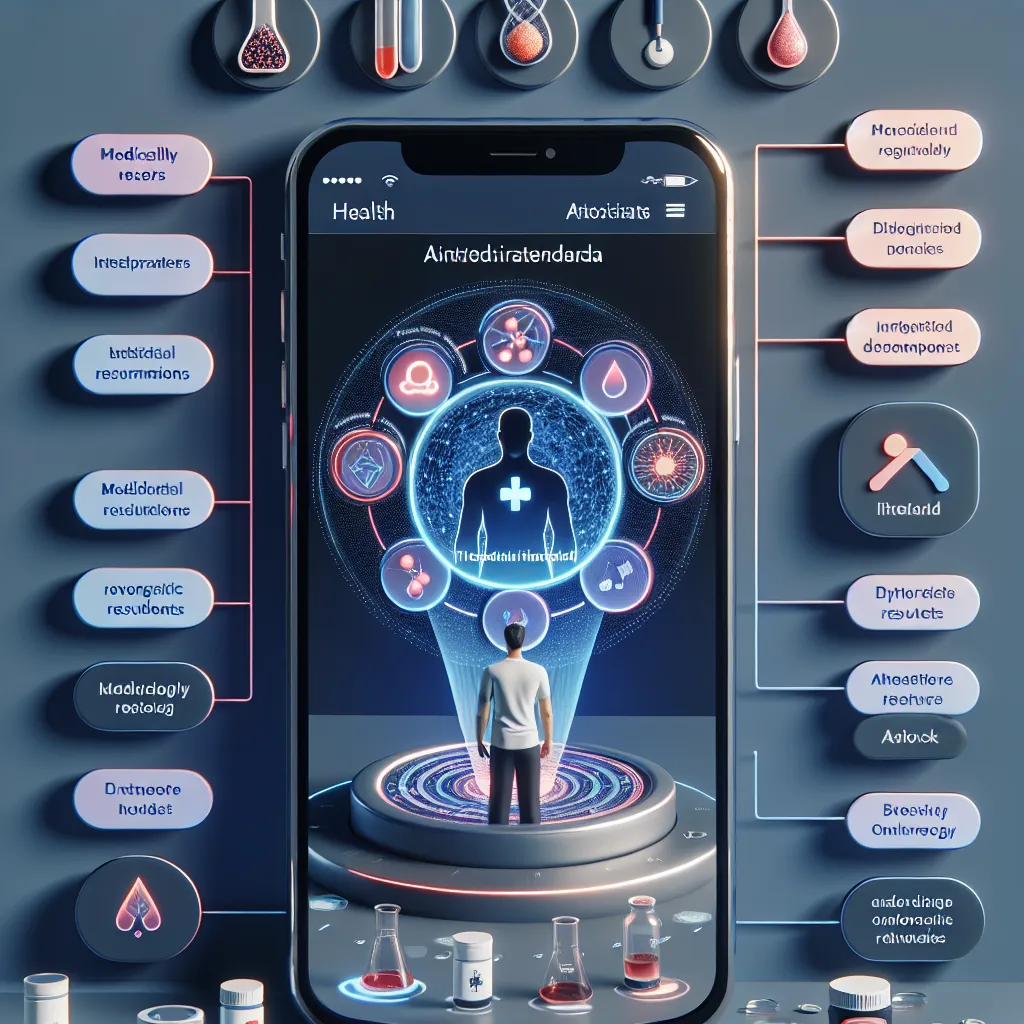
Health data is fragmented, locked in portals and apps. Patients want control and insights. This app aggregates medical records, labs, and wearable data, then layers an AI agent that acts like a personal health assistant—explaining results, offering suggestions, and reminding users of next steps. A user gets bloodwork, uploads it, and the AI not only interprets the values but suggests dietary changes and flags a potential follow-up for thyroid function.
Description
No additional description provided.
The Pitch
In today's fast-paced world, individuals are becoming increasingly health-conscious, yet accessing a holistic view of one's health remains challenging. Health data is often fragmented, residing in various portals and applications that are usually complicated to access and navigate. Patients face difficulties in maintaining control over their health records and deriving meaningful insights. This document outlines the creation of an innovative solution to address these challenges - an AI-powered personal health assistant app.
Backstory: Imagine Sarah, a working professional, who recently received her routine blood test results. The report contains numerous technical jargons and values that are perplexing—even intimidating. Like many others, Sarah struggles with understanding her health data. She wishes for a centralized platform that not only aggregates her medical records, lab results, and data from her wearable devices but also provides clear, actionable insights. Sarah's story represents millions of individuals seeking clearer interpretation and actionable insights for better health management.
Identified Problem: 1. Fragmented health data across multiple platforms complicates user access and control. 2. Patients lack understanding of medical data leading to uninformed health decisions. 3. The inability to easily incorporate health insights into daily life for improved outcomes.
Solution: The proposed solution is an intuitive app that consolidates medical records, lab reports, and wearable health data into a singular, user-friendly platform. Using advanced AI technology, the app acts as a personal health assistant by:
1. Interpreting complex health data into understandable language. 2. Providing tailored lifestyle and dietary suggestions based on entered data. 3. Sending reminders and notifications for follow-up actions, such as doctor appointments and daily health tasks.
Product Details: The application's core functionality includes:
1. Data Aggregation: Securely collect medical records, laboratory results, and data from wearables. 2. AI-Driven Insights: Analyze and interpret health metrics, offering personalized recommendations. 3. Information Security: Implement robust encryption and privacy safeguards to protect user data. 4. User-Friendly Interface: Design an intuitive interface for seamless user interaction. 5. Customizable Alerts: Personalize alerts and notifications based on user preferences and health needs.
Tools for MVP Development: 1. Health Data APIs: Utilize services like Apple HealthKit, Google Fit, and existing electronic health record APIs to gather data. 2. AI Framework: Employ frameworks like TensorFlow or PyTorch for developing machine learning models that interpret health data. 3. Frontend Development: Use React Native for a cross-platform solution that works on both iOS and Android. 4. Backend Development: Implement a serverless architecture using AWS Lambda or Firebase for scalable, cost-effective infrastructure. 5. Security Tools: Incorporate technologies like OAuth 2.0 for secure authentication and data protection.
Go-to-Market Strategy (GTM): 1. Target Audience: Focus on health-conscious individuals who actively track their health and are keen on understanding their medical data. 2. Partnership: Collaborate with healthcare providers and wearable device manufacturers for credibility and expanded reach. 3. Awareness Campaign: Launch digital marketing campaigns across social media platforms, highlighting case studies and success stories. 4. Freemium Model: Offer a basic free version with essential features, while premium subscriptions unlock advanced analytics and personalized coaching. 5. Community Engagement: Develop a community of users through online forums and user-generated content to foster hassle-free interaction and feedback loops.
Business Model: 1. Freemium Model: Generate revenue through tiered subscription plans offering additional features and services. 2. Partnerships: Explore partnerships with healthcare institutions for enhanced data sources and user onboarding perks. 3. In-App Purchases: Offer optional features such as one-on-one health coaching sessions or specialized dietary plans.
Conclusion: By addressing the critical problem of fragmented health data, this AI-driven personal health assistant app is poised to transform the way individuals understand and manage their health. By offering clear interpretations and actionable insights, the app empowers users to make informed health decisions. Through strategic planning and the integration of cutting-edge technology, this solution promises to revolutionize personal health management.