AI-Driven Furniture Layouts for Small Spaces
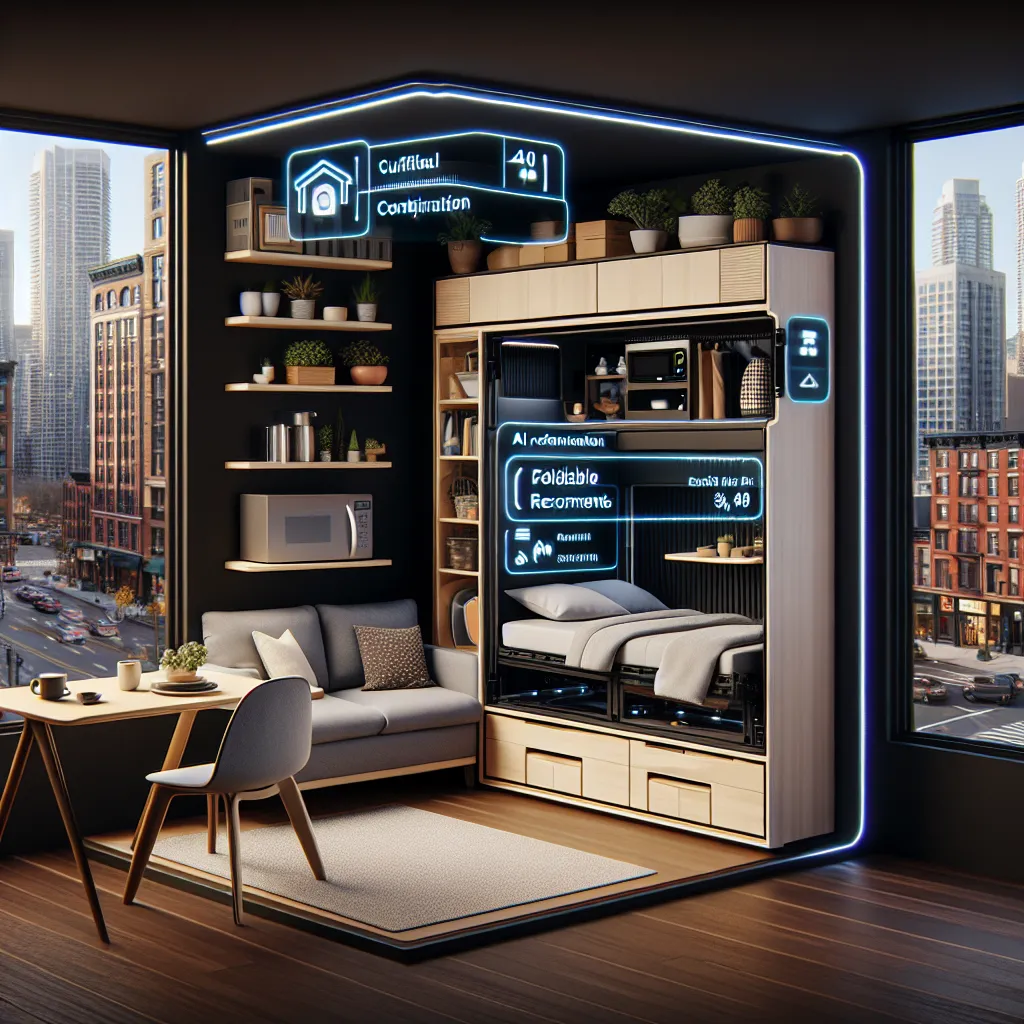
Urban living is forcing people to make do with less space, yet most furniture is still designed for standard rooms. Ikea hacks and modular brands help, but there’s no dynamic system that tailors furniture layouts to the user’s exact floor plan, habits, and needs. This startup builds an AI-powered configurator: you upload a video scan of your room, and it recommends furniture setups—modular desks, beds, seating—that maximize utility and aesthetic, complete with links to purchase. The trend in AI design tools and 3D visualization (e.g., AR interior previews, generative floorplans) creates a ripe environment. Think of a freelancer in a 300 sq ft NYC studio who gets a custom layout that includes a murphy bed/desk combo and foldable kitchen shelf—all designed for her needs and shipped as a bundle. It’s the “Figma for your apartment”—but fully actionable.
Description
No additional description provided.
The Pitch
Urban living often necessitates making the most out of limited space, particularly as more people move into smaller apartments in bustling cities. Traditional furniture design has not kept pace with these changing needs, often catering to more standard room dimensions. While solutions like Ikea hacks and modular brands have emerged, they still lack a truly dynamic approach that tailors furniture arrangements to specific floor plans and individual preferences.
This unmet need presents an opportunity for an innovative solution: an AI-powered configurator that revolutionizes the way we think about furnishing small spaces. The process begins with the user uploading a video scan of their room. This scan is then analyzed by the AI to understand the dimensions, lighting, and other unique aspects of the space. Based on this analysis, the configurator recommends modular and adaptable furniture solutions such as desks, beds, and seating, all tailored specifically to maximize both utility and aesthetics in the given space.
The final output includes a list of recommended furniture pieces, complete with links for purchase, allowing users to implement these suggestions effortlessly. This solution caters to the growing trend of AI-assisted design tools and 3D visualization technologies like augmented reality interior previews and generative floor plans.
Consider the example of a freelancer living in a 300 square foot studio apartment in New York City. She can use this configurator to receive a custom layout plan that includes multifunctional items like a murphy bed that doubles as a desk and a collapsible kitchen shelf. These recommendations are not just visually appealing but are also highly functional, shipped as a bundle ready for assembly.
To make this vision a reality, several tools and steps can facilitate the launch of a Minimum Viable Product (MVP):
1. **AI and Machine Learning Toolkit**: Utilize platforms like TensorFlow or PyTorch to develop the AI that will analyze room scans and recommend furniture.
2. **3D Modeling and Visualization Tools**: Leverage tools like Blender or Unity for creating detailed visualizations of suggested layouts.
3. **Augmented Reality Integration**: Incorporate AR technologies using SDKs like ARKit or ARCore to allow users to see how furniture layouts will look in their actual space.
4. **Web and Mobile Development**: Create user-friendly web and mobile applications to deliver a seamless interface for uploading room scans and receiving layout recommendations.
5. **E-commerce Platform**: Integrate with platforms such as Shopify or WooCommerce for smooth purchasing and order fulfillment.
To bring this product to market, a strategic Go-To-Market (GTM) plan should be developed. This could include:
- Collaborating with furniture brands and online marketplaces for bundle deals and exclusive offerings - Utilizing social media and influencer partnerships to showcase case studies and success stories of transformed small spaces - Engaging in content marketing by creating blog posts and visual content about space optimization and design tips - Rolling out an initial pilot program targeting urban centers known for small living spaces, such as New York, Tokyo, or London, to gather user feedback and further refine the product
In terms of the business model, a combination of revenue streams can be considered:
- A subscription-based model for continuous access to new design recommendations and updates - Affiliate partnerships with furniture brands, earning a commission on sales generated through the platform - Premium features or consulting services for personalized design assistance or to cater to businesses in the real estate and interior design sectors
This initiative aims not just to offer practical furniture solutions but to become an integral part of how people envision and optimize their living spaces, making urban living both functional and beautiful.