AI-Driven Film Studio Revolutionizes Movie Production
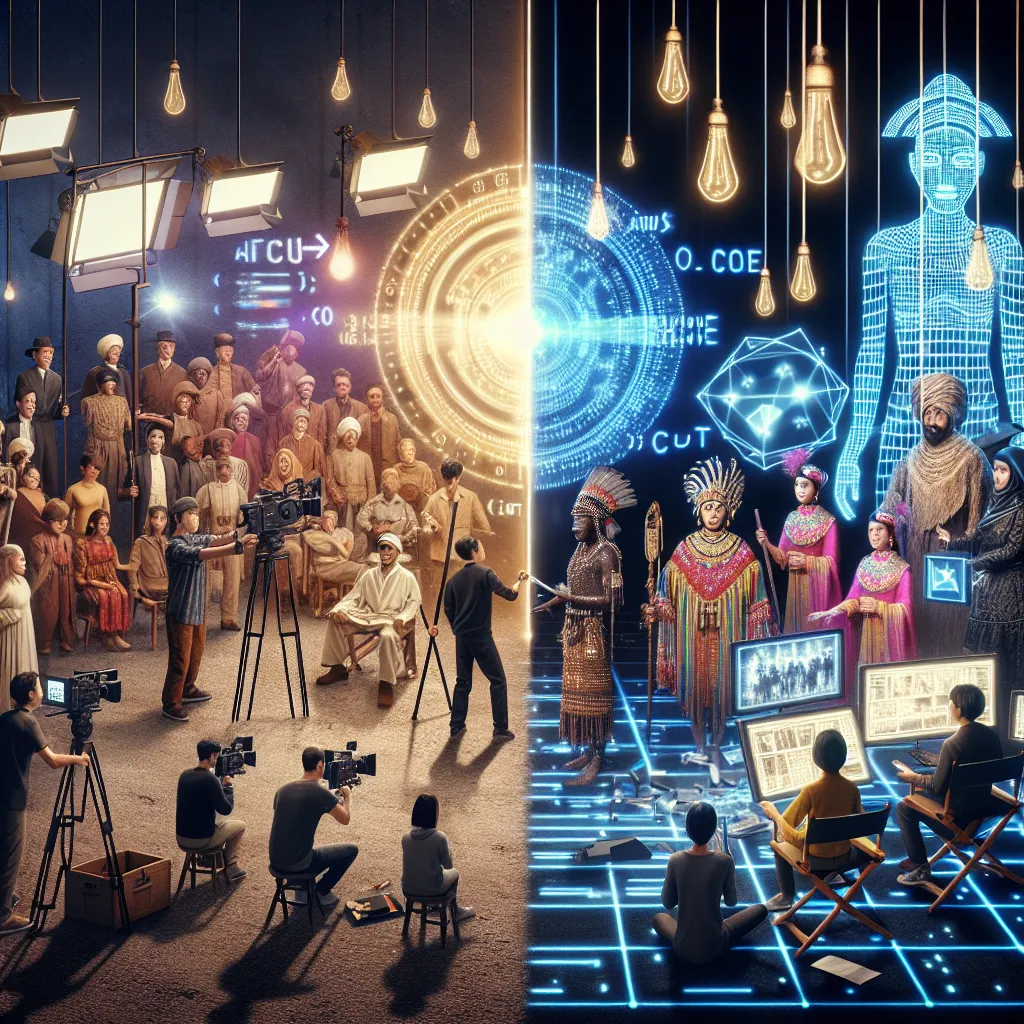
Traditional film production requires massive budgets, large crews, and months of post-production work to bring stories to life. But generative video models are rapidly turning filmmaking into something closer to software creation. Instead of filming every scene, creators can generate environments, characters, and visual effects directly with AI. A startup could launch an AI-native film studio where writers and directors generate entire scenes, re-edit performances, and test alternate versions of stories instantly. This would open filmmaking to a much broader pool of creators while enabling entirely new forms of storytelling that were previously impossible without Hollywood budgets. The next generation of entertainment companies may look less like movie studios and more like AI creative labs.
Description
No additional description provided.
The Pitch
In recent years, the landscape of film production has witnessed a transformative shift. Traditional methods, steeped in high costs, extensive time commitments, and the need for vast resources, are giving way to revolutionary technological advancements. At the heart of this change is the emergence of generative video models that are redefining the art of storytelling.
**Backstory**
Historically, filmmaking has been a domain dominated by large studios with substantial financial backing. The sheer scale of resources required, from crew members to equipment and post-production processes, often posed insurmountable barriers for independent creators and smaller studios. While the democratization of film technology has been underway for some time, AI is now accelerating this process at an unprecedented pace.
**Problem**
Traditional film production is resource-intensive and exclusive, making it difficult for emerging artists to break into the industry. Small-scale creators face significant challenges, including:
1. High budgets that are often prohibitive. 2. Long production and post-production cycles. 3. Limited access to advanced production tools and technologies. 4. A constrained ability to experiment with storytelling through alternate scenes or endings due to cost and time factors.
**Solution**
Generative video models and AI-driven tools offer a promising solution to these challenges. By allowing creatives to generate scenes, characters, and visual effects directly through AI, the entire filmmaking process becomes more accessible, efficient, and innovative.
**Product Details**
A new venture could focus on creating an AI-native film studio, encompassing the following:
1. **AI Scene Generation**: - Develop algorithms that can create realistic environments, characters, and effects, significantly reducing the need for on-location shooting and large sets.
2. **AI Editing Suite**: - Provide tools allowing filmmakers to edit, re-edit, and test alternate versions of their storylines with ease.
3. **Virtual Collaboration**: - Enable seamless collaboration for creative teams, regardless of geographical location, through a cloud-based platform.
4. **Instant Visual Feedback**: - Allow creators to see their edits and changes in real-time, enhancing experimental and iterative storytelling processes.
**Tools for Launching an MVP**
To bring this vision to life, leveraging existing technologies and platforms could be crucial:
1. Generative adversarial networks (GANs) for realistic scene and character creation. 2. Cloud and edge computing solutions for scalable processing power and collaboration. 3. User interface design tools like Figma for creating intuitive editing suites. 4. SDKs from platforms like TensorFlow or PyTorch for developing AI models.
**Go-To-Market Strategy (GTM)**
1. **Target Audience Identification**: - Focus initially on independent filmmakers, small production houses, and digital content creators.
2. **Strategic Partnerships**: - Collaborate with film schools, creative agencies, and online platforms to reach potential users and create credibility.
3. **Community Building**: - Establish an online community and forums for users to share experiences, tutorials, and collaborative projects.
4. **Content and Education**: - Create a digital repository of tutorials, webinars, and workshops to educate users on leveraging AI for film production.
5. **Pilot Programs**: - Launch pilot projects with selected creators to showcase the capabilities and benefits of the platform.
**Business Model**
1. **Subscription-based**: - Offer tiered subscription plans with varying levels of access to tools and storage.
2. **Freemium Model**: - Provide basic tools for free while charging for advanced features and AI capabilities.
3. **Marketplace for Assets**: - Create a platform where creators can buy and sell AI-generated assets, characters, and scenes.
Through these transformative advances, filmmaking becomes more inclusive, inventive, and dynamic. The future of entertainment is not left to chance but is creatively orchestrated through technology-driven innovation, beckoning both seasoned and aspiring storytellers to embark on new cinematic journeys.