AI-Driven Diesel Fleet Phaseout Planner
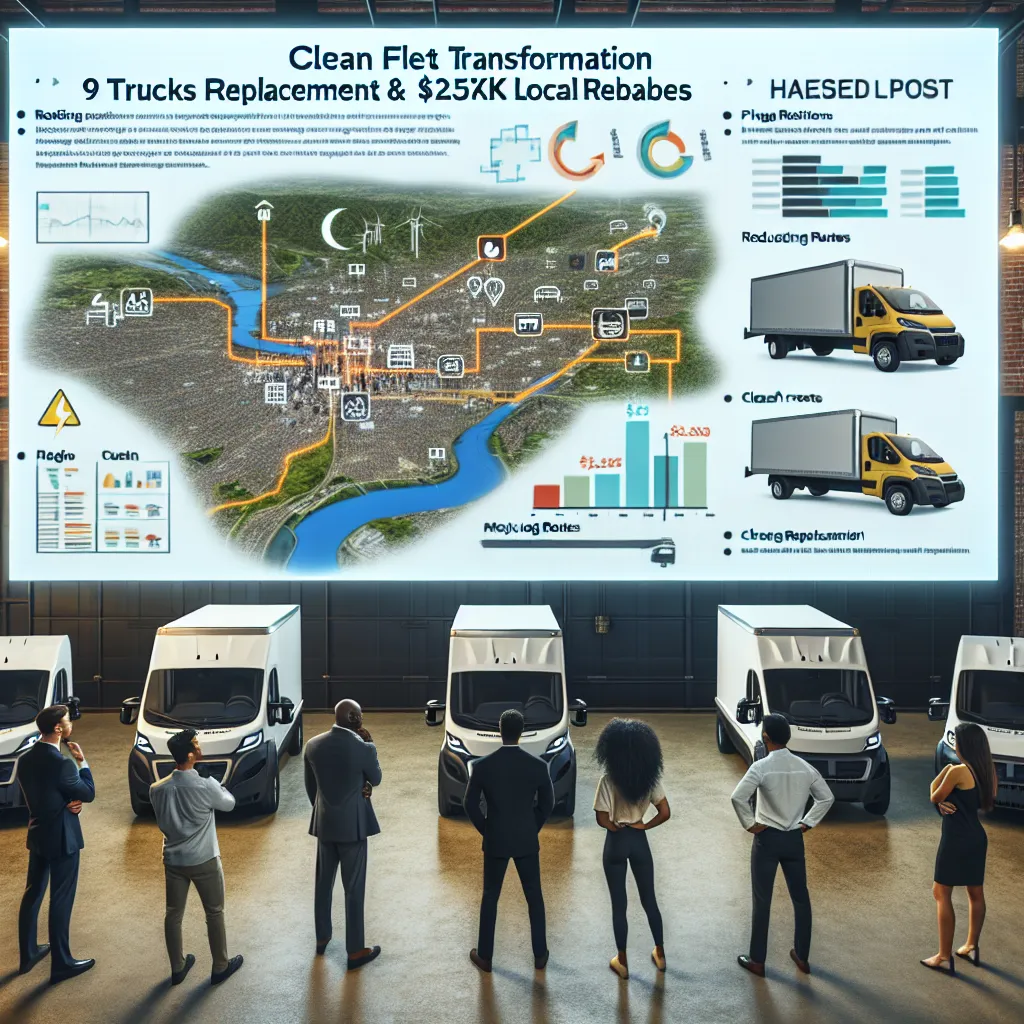
Small-to-mid-sized delivery fleets and municipalities want to replace diesel vehicles with electric—but they don’t know where to start. Planning a transition requires understanding routes, energy loads, charger locations, local incentives, and vehicle financing. Most organizations don’t have the tools to model it. This platform ingests telematics data and generates a phased plan to reduce emissions, maximize incentives, and lower cost over time. The trend: the combination of ESG mandates, clean vehicle credits, and urban emissions regulations is accelerating—but software support hasn’t caught up. For example, a 25-truck delivery fleet in Pittsburgh uploads its routes, and the platform suggests replacing 9 trucks this year, shows where to install chargers, and unlocks $240K in local rebates. It’s a turnkey path to clean fleet transformation.
Description
No additional description provided.
The Pitch
In the evolving landscape of sustainable transportation, small-to-mid-sized delivery fleets and municipalities are increasingly motivated to transition from diesel to electric vehicles. This shift is driven by a combination of environmental regulations, the pursuit of emission reduction, and the financial incentives available to promote clean energy adoption. However, the journey to electrification is fraught with complexities. Organizations often find themselves at a crossroads, lacking the expertise and tools necessary to effectively plan and execute a seamless transition.
The Problem: Navigating the Complexities of Electrification
The path to electrifying a fleet involves numerous considerations. Companies need to assess current routes, calculate energy loads, identify optimal locations for charging infrastructure, and evaluate local incentives. Additionally, financing new vehicles presents its own set of challenges. The absence of comprehensive modeling tools leaves many organizations unsure of where to begin or how to sustainably scale their operations.
The Solution: An Intelligent Electrification Planning Platform
Introducing a novel platform designed to address these challenges head-on. This solution is built to ingest telematics data from existing fleet operations and generate a tailored, phased plan for transitioning to electric vehicles. By analyzing key variables, the platform not only recommends the ideal number of vehicles to replace initially but also suggests strategic charger installations and highlights local incentive opportunities. It’s a comprehensive guide designed to optimize emission reductions, maximize financial benefits, and streamline the transition process over time.
Product Details: Features and Benefits
1. Data Integration: Seamless import of telematics data from fleet vehicles to accurately assess current operations and needs.
2. Phased Electrification Plans: Customized recommendations for vehicle replacement schedules, balancing cost and sustainability goals.
3. Charger Placement Optimization: Strategic suggestions for charging infrastructure locations based on route data and energy load analysis.
4. Incentive and Financing Guidance: Information on local rebates and financing options to support budget-friendly transitions.
5. Environmental Impact Reporting: Tools to track emission reductions and progress toward sustainability targets.
Tools for MVP Launch: Initial Steps for Development
To quickly bring this platform to market as a Minimum Viable Product (MVP), leverage the following tools and technologies:
- Data Analytics Platforms: Utilize cloud-based analytics tools like AWS or Google Cloud for scalable data processing. - Telematics Integration: Partner with telematics service providers to streamline data acquisition. - Mapping APIs: Implement Google Maps or Mapbox for geographic data visualization and charger location services. - Incentive Database Integration: Develop a regularly updated database to track federal, state, and local incentives.
Go-to-Market Strategy: Introducing the Platform
1. Target Audience: Focus on small-to-mid-sized delivery fleets, municipal transportation departments, and logistics companies.
2. Pilot Programs: Launch pilot projects with select fleets to demonstrate effectiveness and gather initial case studies.
3. Partnerships: Collaborate with telematics companies and EV manufacturers to offer bundled solutions and expand reach.
4. Marketing and Outreach: Implement a content-driven marketing strategy, emphasizing success stories and environmental impact.
5. Customer Support: Provide top-tier training and support to ensure smooth onboarding and ongoing satisfaction.
Business Model: Building a Sustainable Venture
Adopt a subscription-based business model, providing access to the platform as a service. Pricing tiers can be established based on fleet size, features required, or additional services like customized consulting. Additional revenue streams could include partnerships with charging infrastructure companies and financial institutions providing vehicle loans.
Conclusion: Paving the Way for a Cleaner Future
This platform aims to bridge the gap between ambition and action in fleet electrification. By equipping organizations with the necessary tools and insights, the transition to electric vehicles becomes not just feasible, but efficient and economically viable. As environmental imperatives grow stronger and urban regulation tightens, embracing such a turnkey solution positions fleets to thrive in a sustainable future.