AI-Driven Conversational Form Builder Revolutionizes Surveys
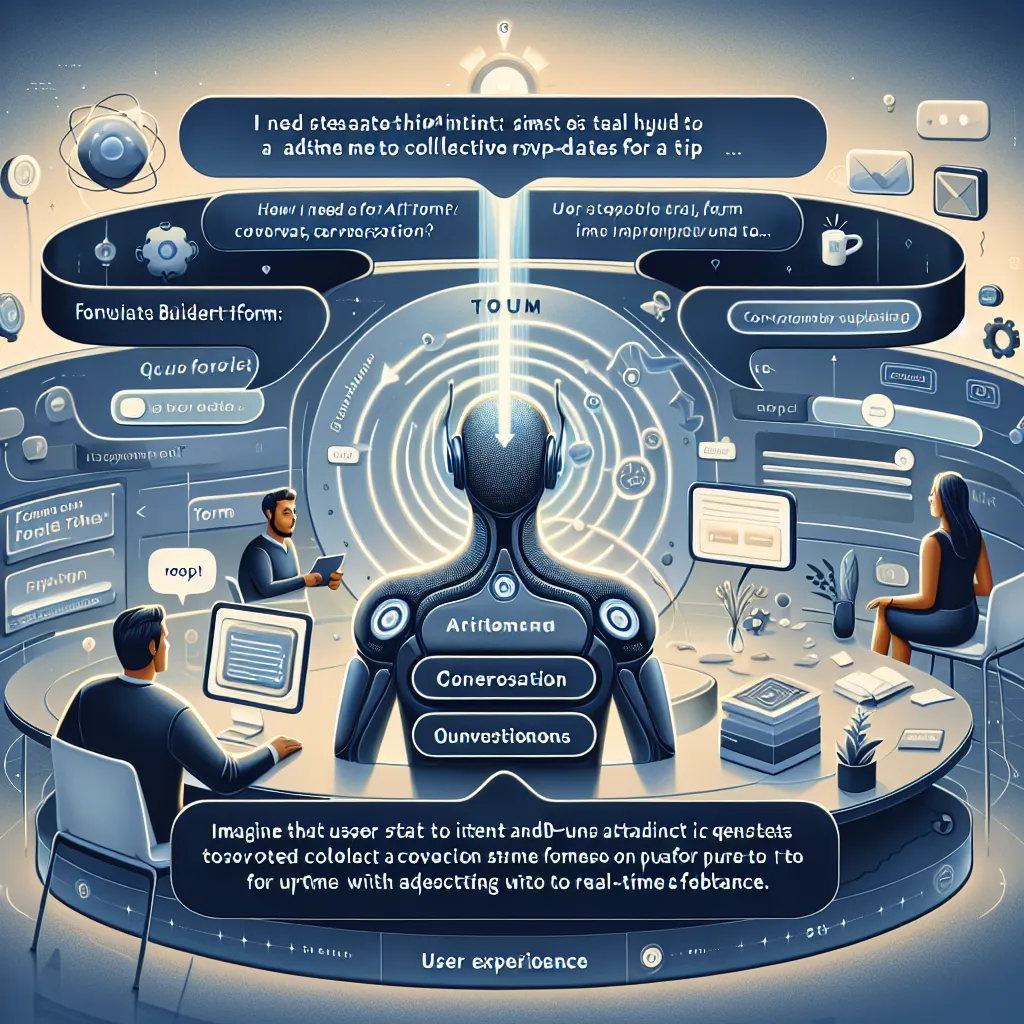
Most online forms are clunky, overwhelming, and poorly designed, leading to low completion rates. An AI Typeform would replace drag-and-drop builders with a prompt-driven system where users simply state their intent (e.g., “I need to collect RSVP dates for a trip”), and the tool generates an adaptive, conversational form. Like V0, which turns prompts into fully functional web apps, this would use AI to generate questions, adjust formats in real-time, and summarize results. It could make form creation effortless and user experience friendlier, improving both response rates and data quality.
Description
No additional description provided.
The Pitch
Online forms are ubiquitous in today's digital landscape, serving purposes from customer feedback collection to event RSVPs. Despite their prevalence, many online forms remain clunky and overwhelming, often leading to low completion rates. The challenge lies in crafting forms that are both user-friendly and effective at collecting the desired information.
The Problem:
Traditional form builders rely heavily on drag-and-drop interfaces, which, although customizable, can be time-consuming and confusing for users who may not have design expertise. This results in forms that feel static and impersonal, often contributing to lower engagement and poor data quality. Moreover, businesses often spend unnecessary resources on designing and maintaining these forms, detracting from their core functions.
The Solution:
Introducing an AI-driven tool that revolutionizes form creation by replacing traditional form builders with a conversational, prompt-driven system. This innovative approach allows users to describe their intent broadly (e.g., “I need to collect RSVP dates for a trip”), and the tool intuitively generates a corresponding form. By leveraging artificial intelligence, the system can dynamically adjust question formats, offer real-time modifications, and ensure the final product is engaging and user-friendly.
Product Details:
1. **Prompt-Driven Interface**: Users initiate the form creation process by simply stating their objectives. The AI interprets these prompts to devise a tailored form that meets the specified needs.
2. **Dynamic Adaptation**: Real-time adjustments allow the form to evolve as more data is gathered, ensuring optimal participant engagement and data accuracy.
3. **Enhanced User Experience**: By using a conversational design paradigm, the form mimics natural dialogue, making it more intuitive and engaging for users.
4. **Automated Summarization**: Post-completion, the AI provides concise summaries of form responses, facilitating quick analysis and decision-making for businesses.
5. **Customization Options**: While AI handles the heavy lifting, users can still opt to customize layout and aesthetics to align with branding needs.
Tools for MVP Development:
1. **Natural Language Processing (NLP) Frameworks**: Utilize NLP tools such as Google's Dialogflow or OpenAI's GPT models to understand and process user prompts effectively.
2. **Form Backend and APIs**: Leverage platforms like Firebase or AWS for hosting the backend infrastructure, ensuring seamless data management and integration.
3. **Front-End Libraries**: Use React or Vue.js to create an intuitive, responsive user interface.
4. **Data Analytics Tools**: Integrate with tools like Google Analytics or Mixpanel for tracking engagement metrics and improving form designs based on user interactions.
Go-To-Market (GTM) Strategy:
1. **Target Niche Markets**: Initially target specific industries, such as event management or educational institutions, where form usage is prevalent and immediate benefits can be demonstrated.
2. **Partnerships**: Collaborate with CRM and marketing platforms to offer bundled services, enhancing distribution channels and customer reach.
3. **Freemium Model**: Offer a basic free tier to attract users, with advanced features and customization available through paid subscription plans.
4. **Content Marketing**: Develop an informative blog and produce case studies showcasing form effectiveness and innovations, driving organic traffic and interest.
5. **User Feedback Loop**: Actively seek user feedback during the MVP phase, using insights to refine features and enhance user satisfaction.
Business Model:
The primary revenue stream would hinge on a subscription model, offering various tiers based on the number and complexity of forms that can be created. Additional revenue could be generated through premium customization services and API integrations for enterprise clients. As the platform grows and data insights become more robust, offering data analytics as an ancillary service could further augment revenue streams.
In conclusion, transitioning from static, disengaging forms to an AI-driven, process simplifies form creation, enhances user experience, and ultimately improves data quality. By embedding intelligence into the process, businesses can focus on leveraging the collected data rather than the mechanics of gathering it.